Total Chlorine Sensor: A Comprehensive Guide
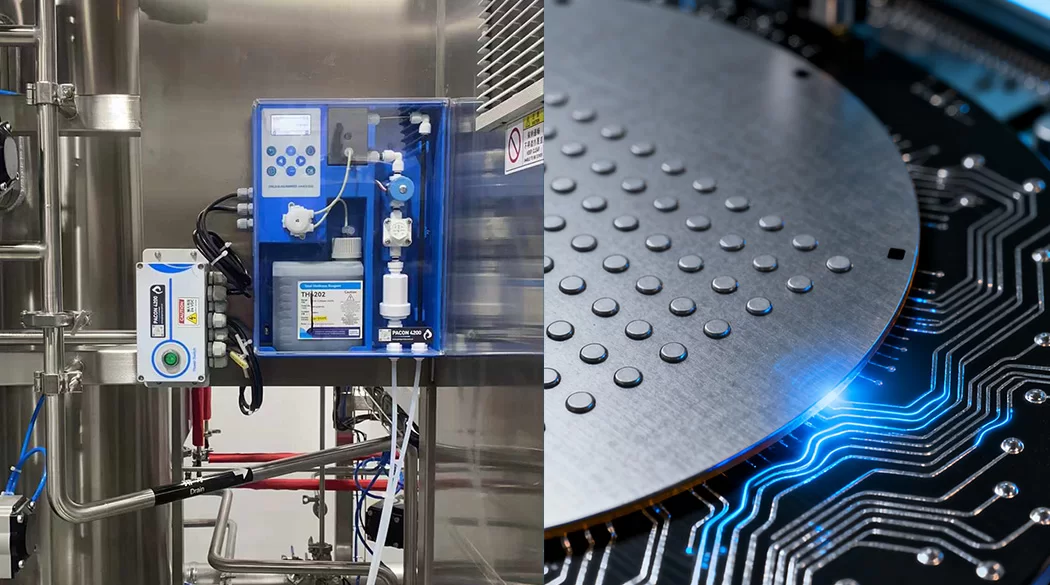
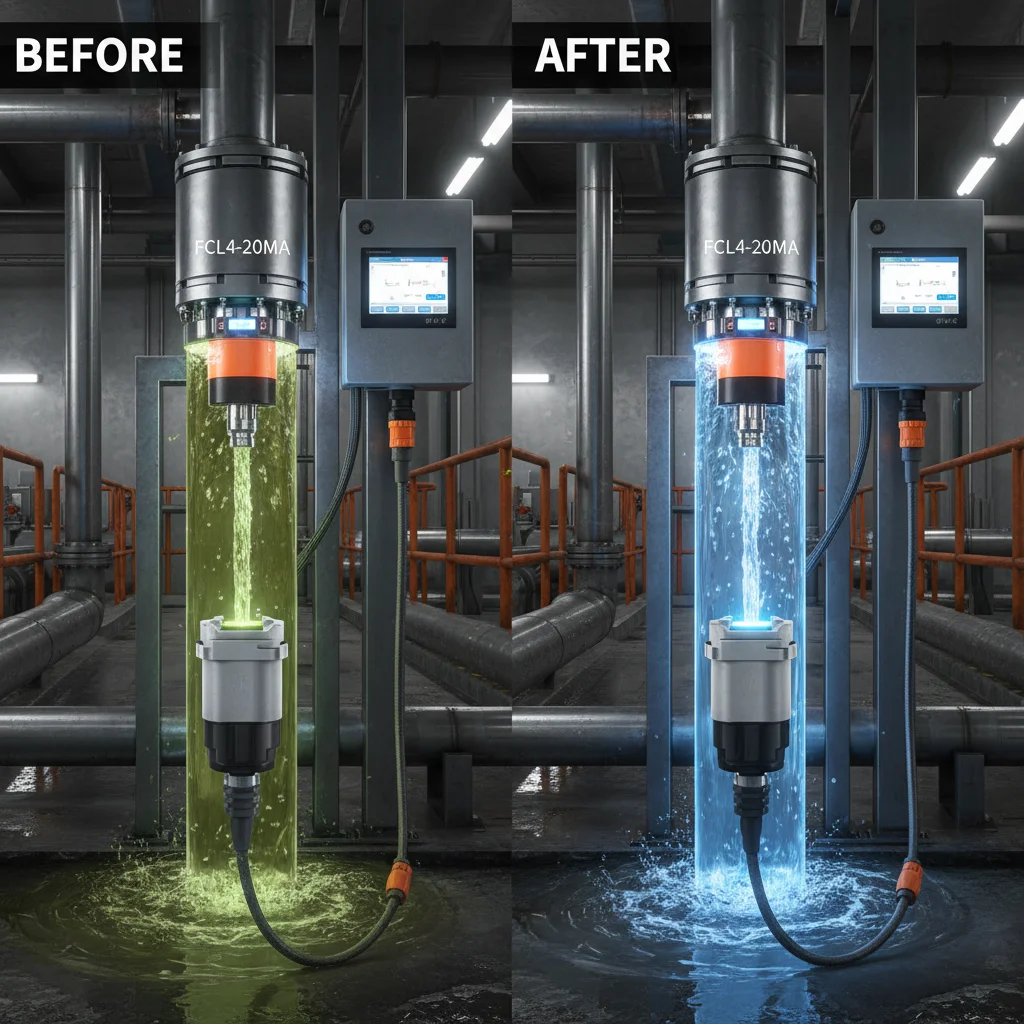
Maintaining optimal water quality is critical in numerous industries, from swimming pools and spas to wastewater treatment and industrial processes. A key aspect of water quality monitoring is accurately measuring total chlorine levels. This is where a total chlorine sensor becomes indispensable. This article will explore the importance of total chlorine measurement, the various types of sensors available, and how to choose the right sensor for your specific application. Accurate monitoring ensures safety, efficiency, and compliance with regulatory standards.
Understanding Total Chlorine and Why It Matters
Total chlorine refers to the sum of all chlorine species present in water, including free chlorine and combined chlorine. Free chlorine is the active disinfectant, while combined chlorine is formed when free chlorine reacts with organic matter. High levels of combined chlorine can cause irritation to eyes and skin, as well as a strong chlorine odor. Maintaining the correct total chlorine level is crucial for effective disinfection and preventing the growth of harmful bacteria and algae. Regular monitoring with a reliable total chlorine sensor ensures optimal water quality and public health.
Key Benefits of Monitoring Total Chlorine: Ensures effective disinfection, prevents the buildup of harmful byproducts, protects public health, and maintains water clarity.
Types of Total Chlorine Sensors Available
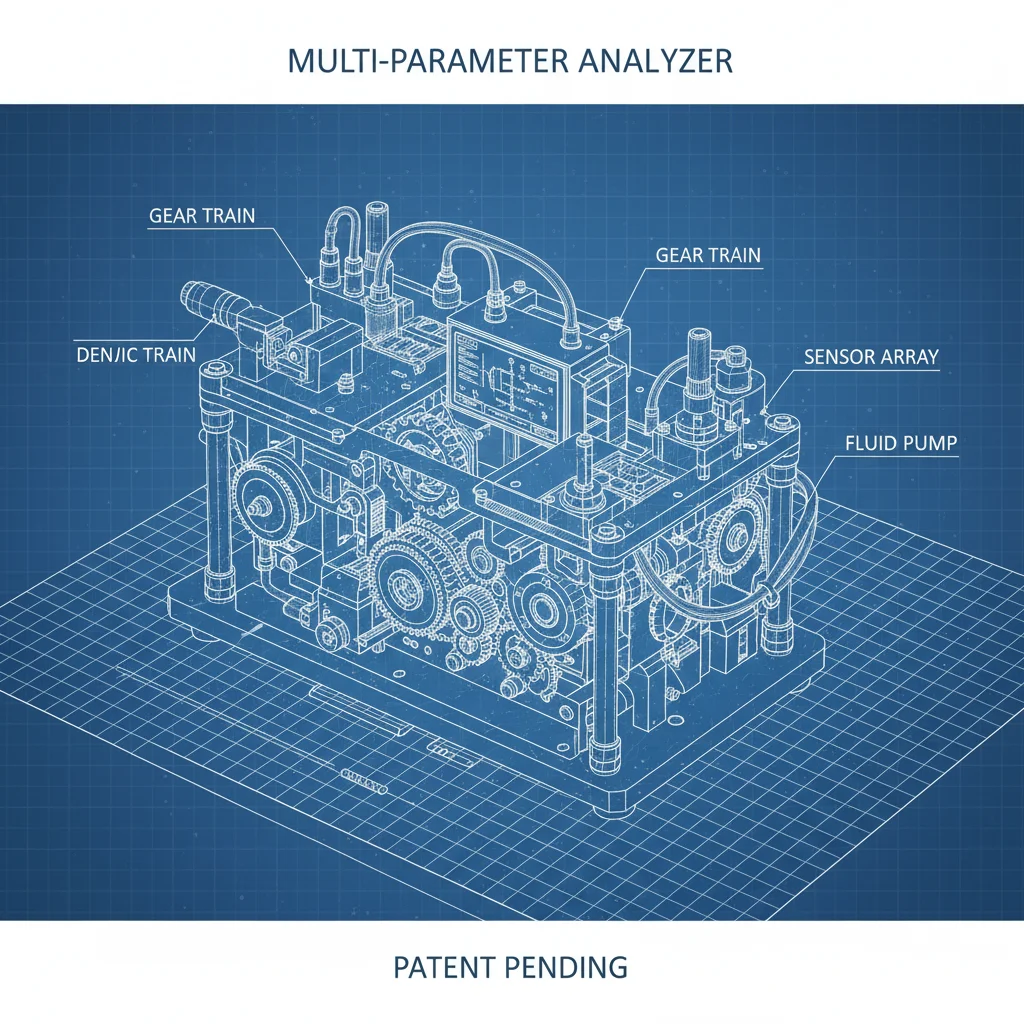
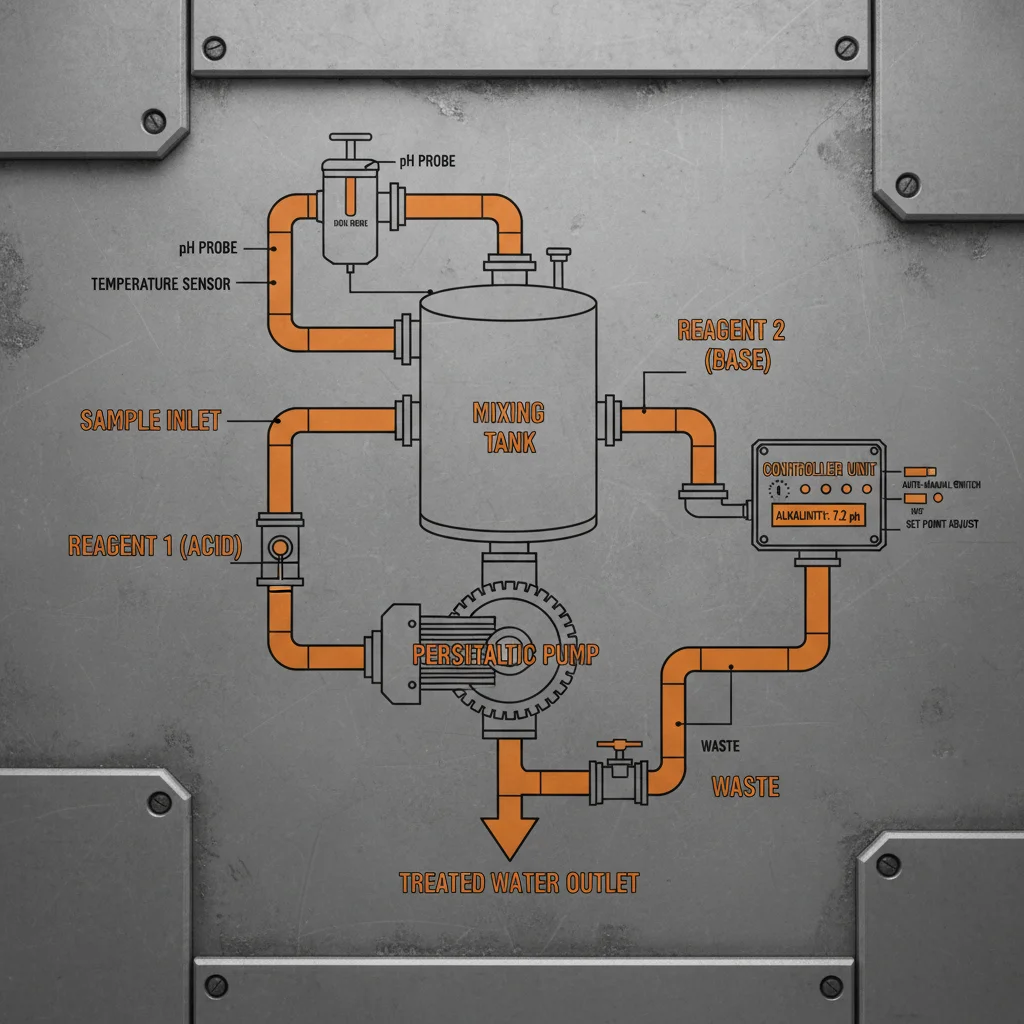
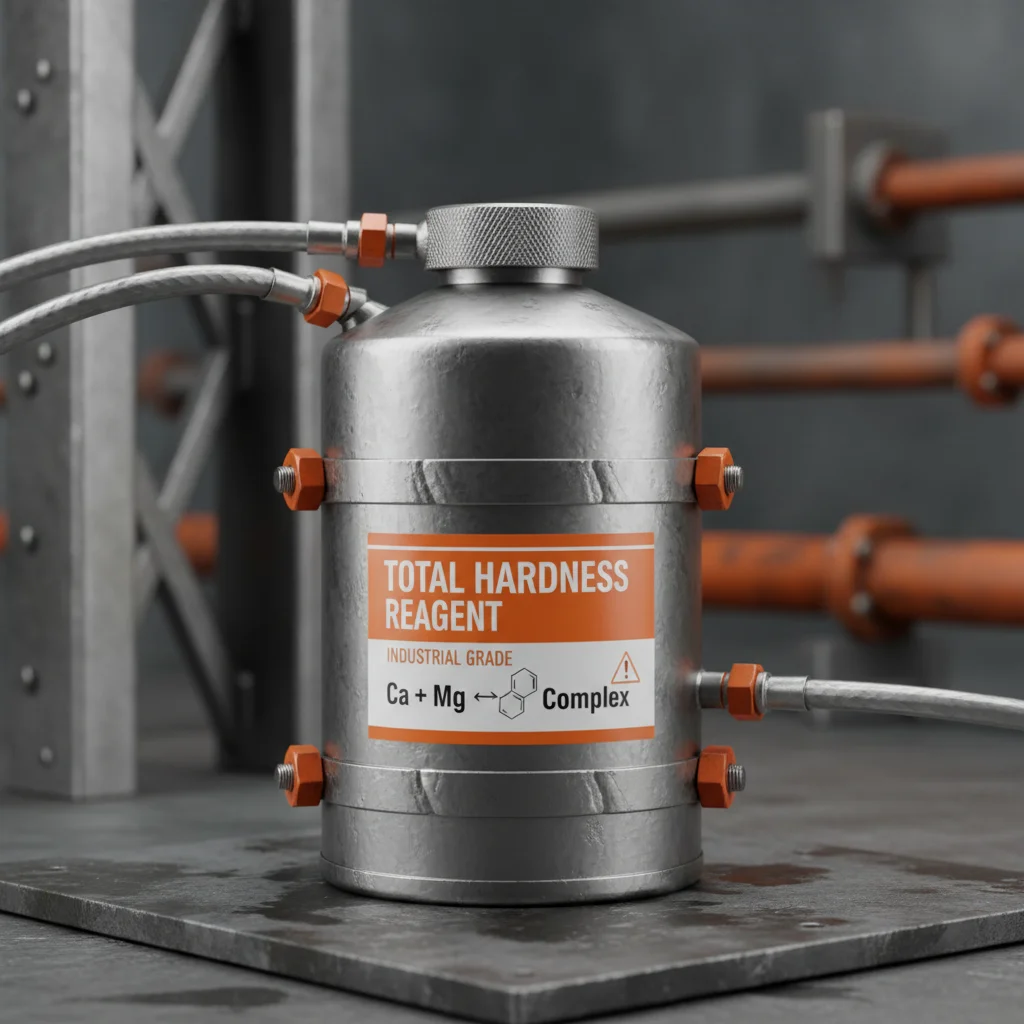
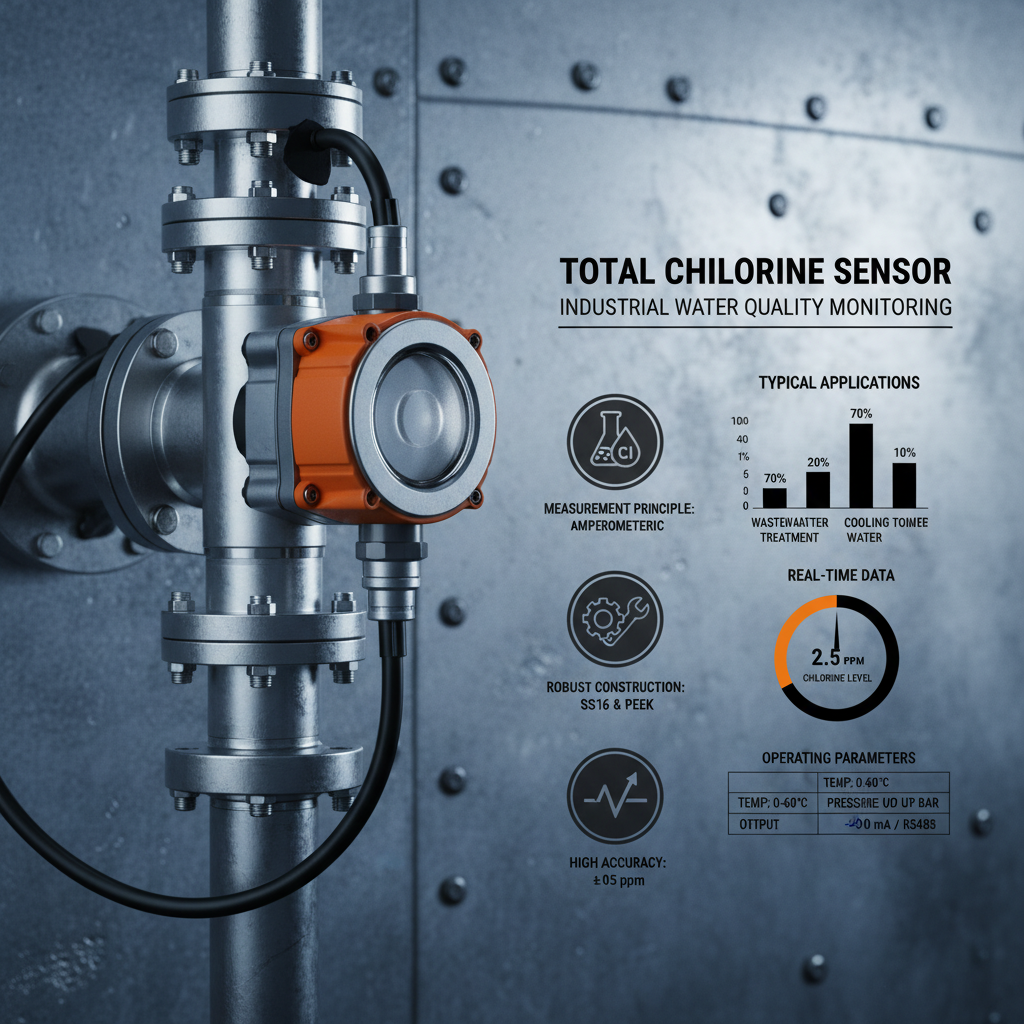
Several types of sensors are used to measure total chlorine levels. These include amperometric sensors, colorimetric sensors, and spectrophotometric sensors. Amperometric sensors measure the current generated by the oxidation or reduction of chlorine. Colorimetric sensors measure the color intensity of a reagent that reacts with chlorine. Spectrophotometric sensors measure the absorbance of light by a solution containing chlorine. Each type has its advantages and disadvantages in terms of accuracy, cost, and maintenance requirements.
Sensor Comparison:
• Amperometric: Cost-effective, real-time measurement.
• Colorimetric: High sensitivity, suitable for low concentrations.
• Spectrophotometric: Highly accurate, but more complex and expensive.
Choosing the Right Total Chlorine Sensor
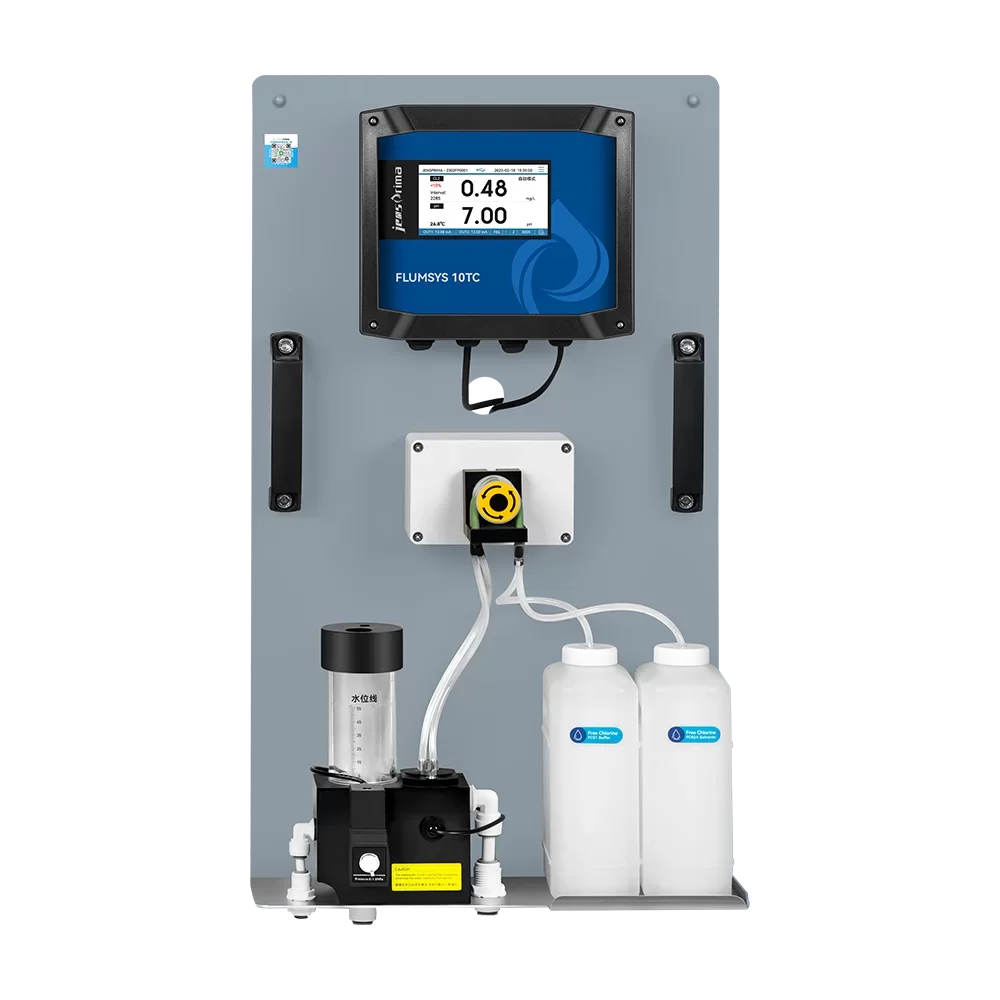
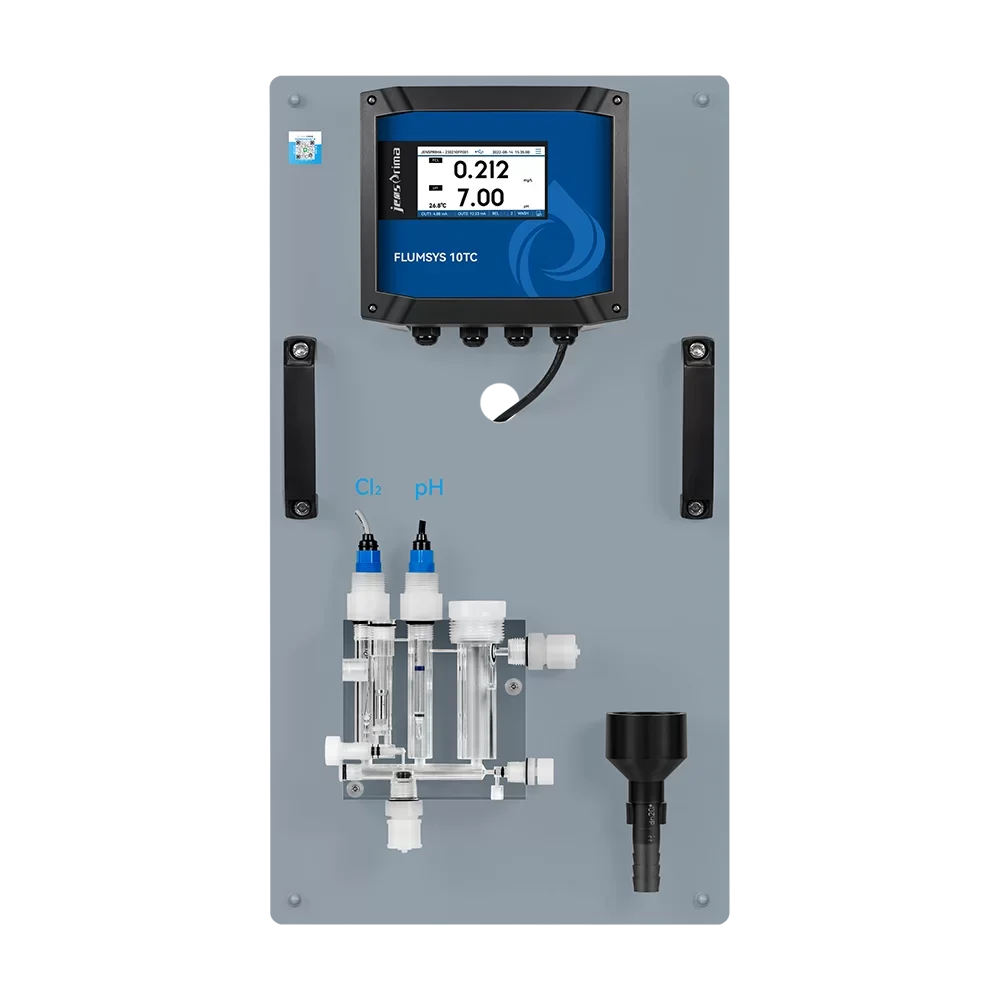
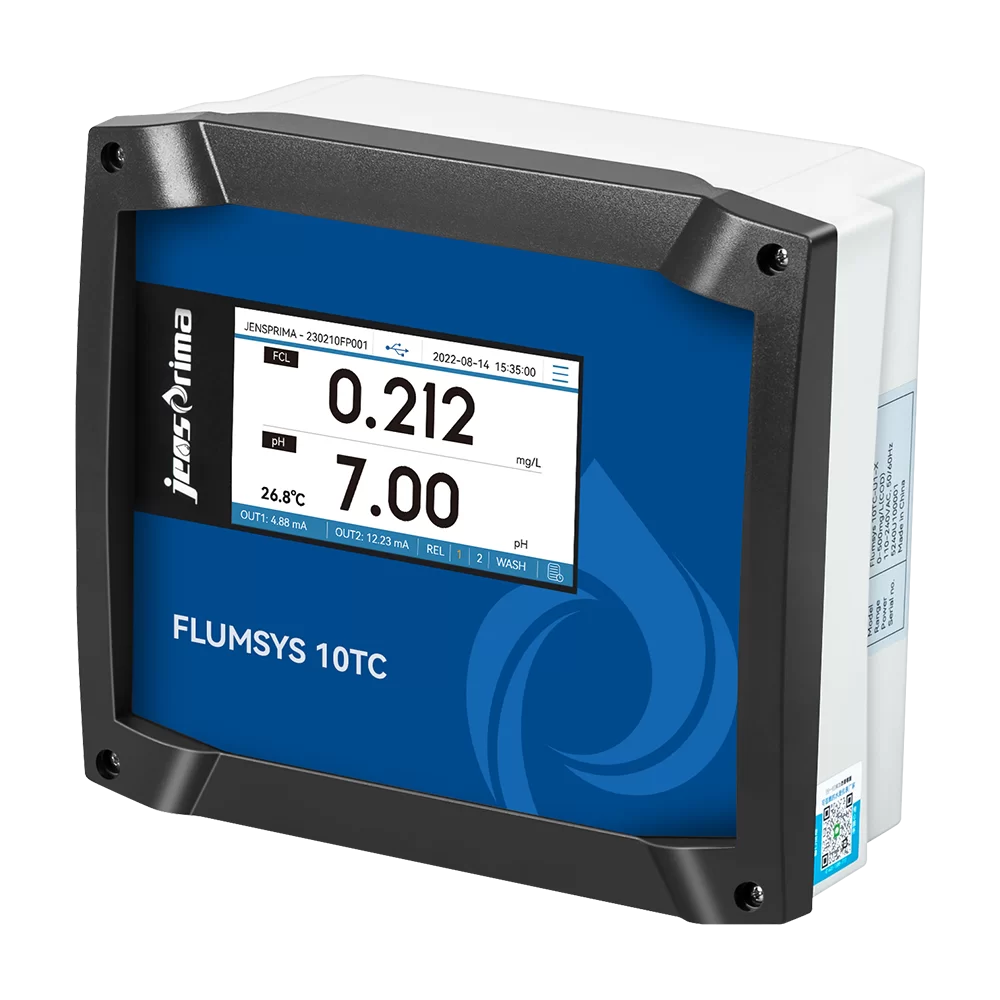
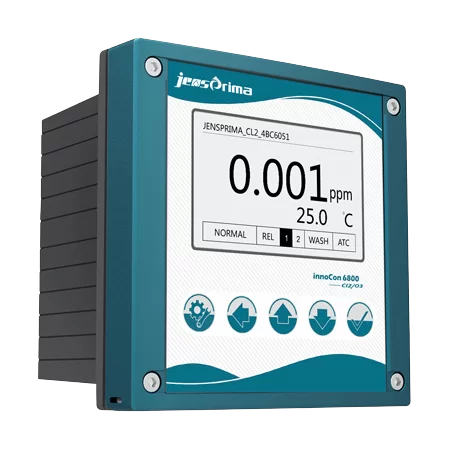
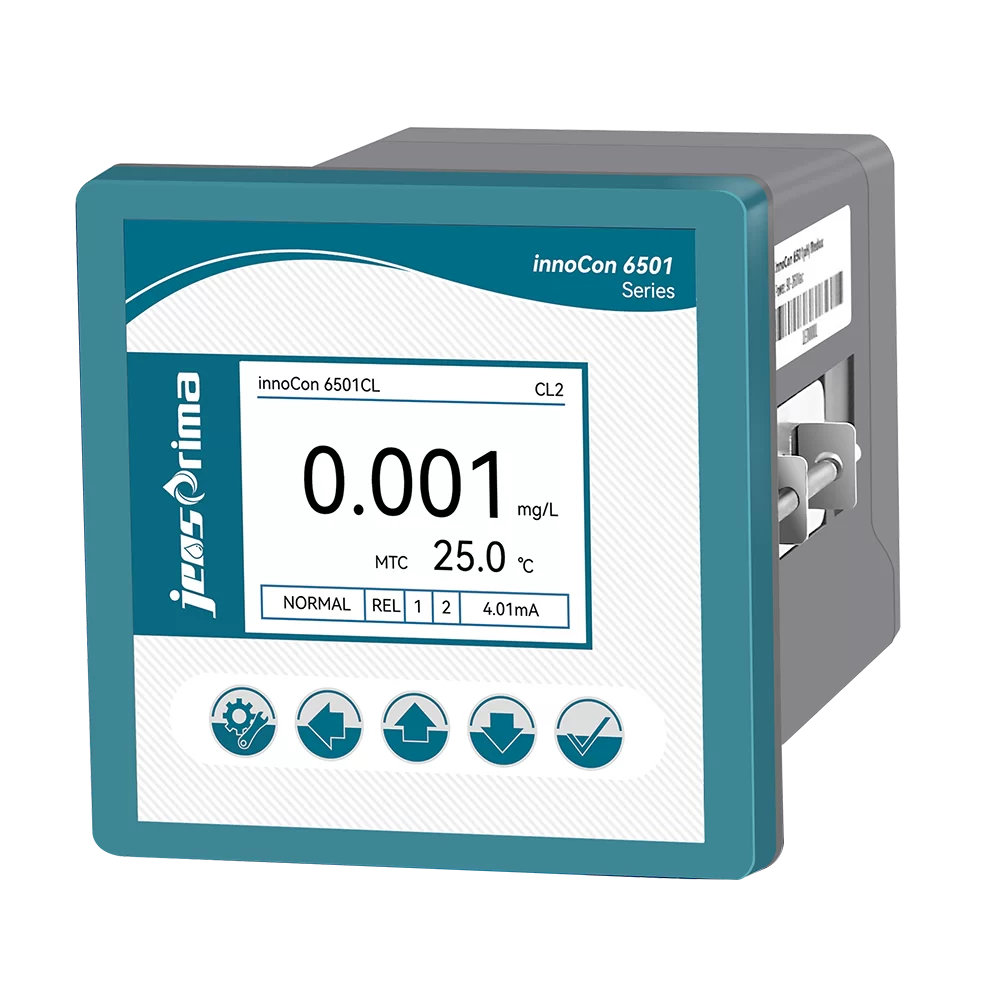
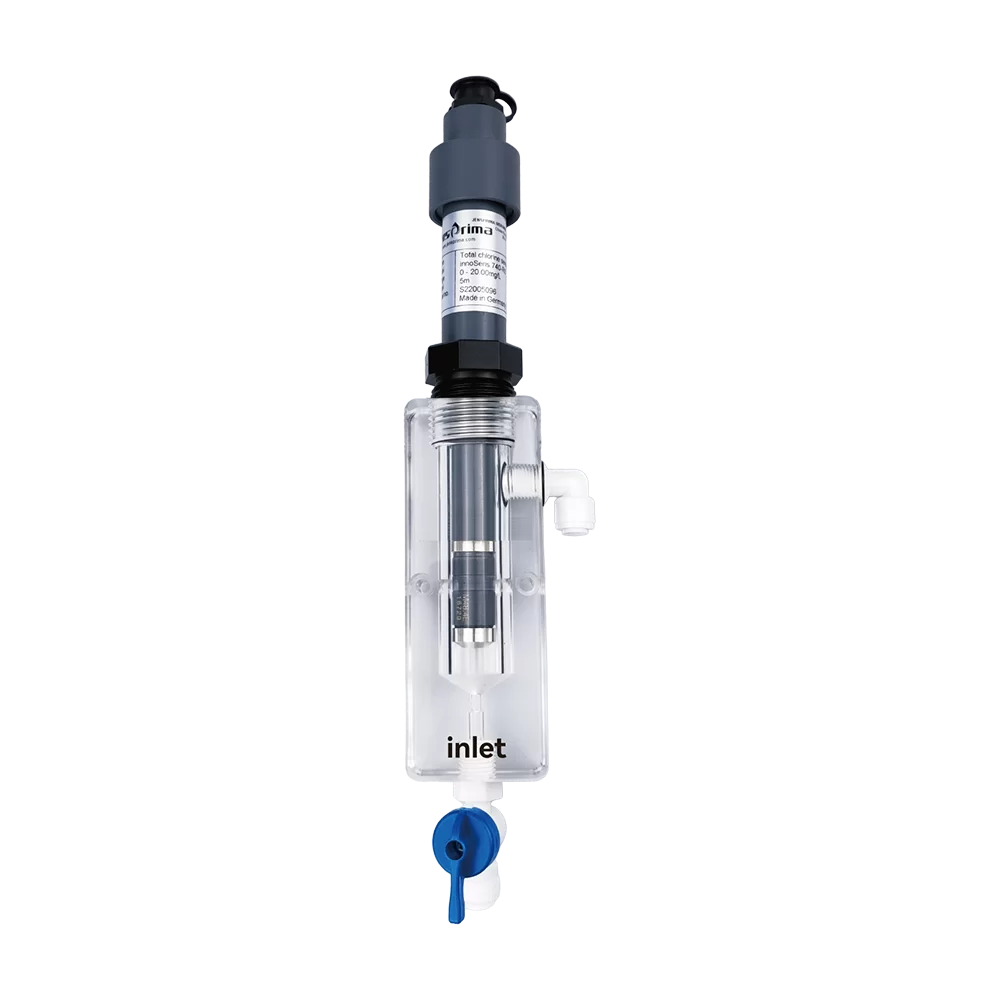
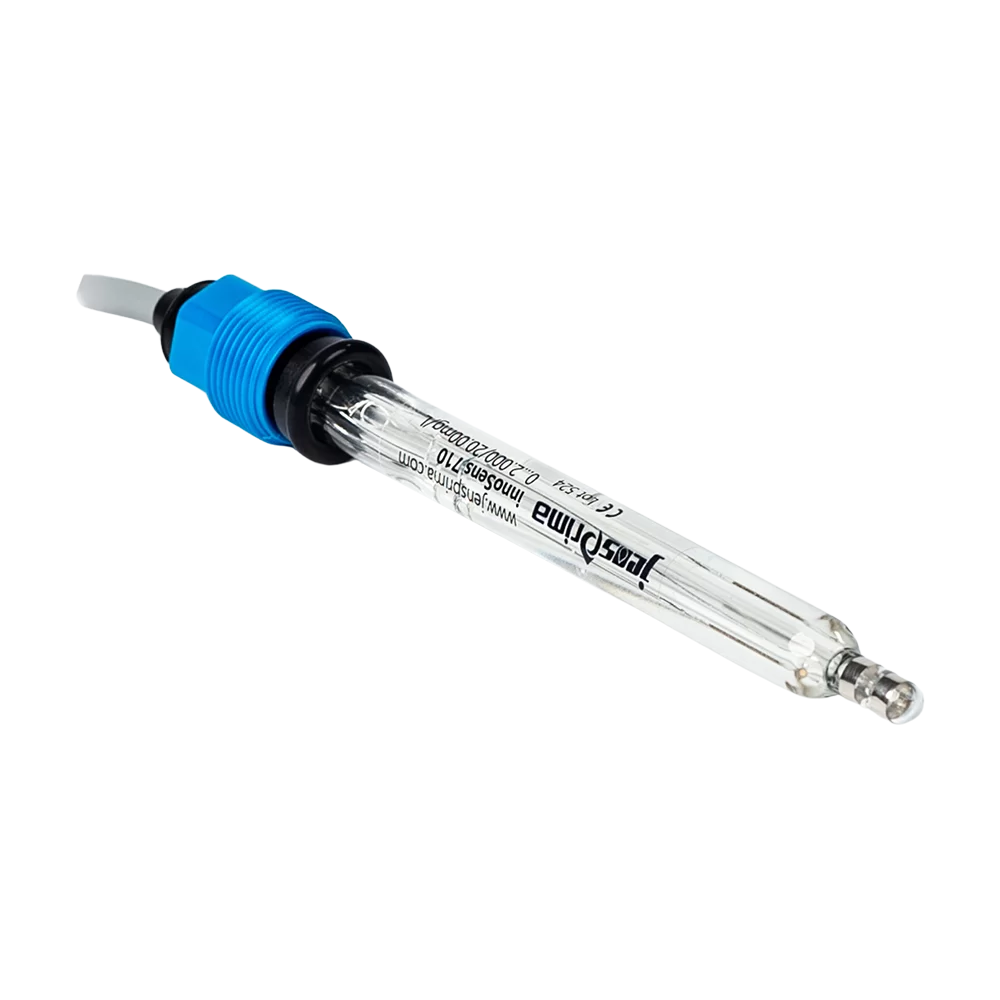
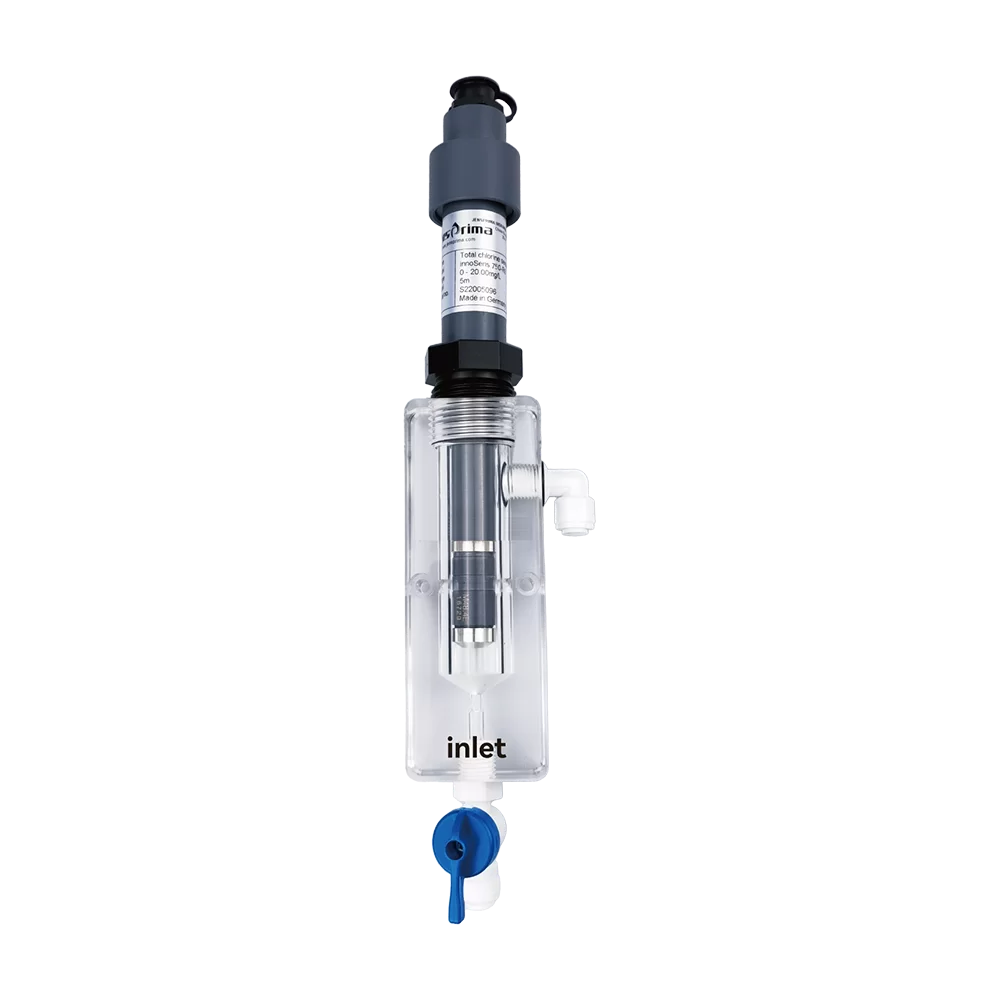
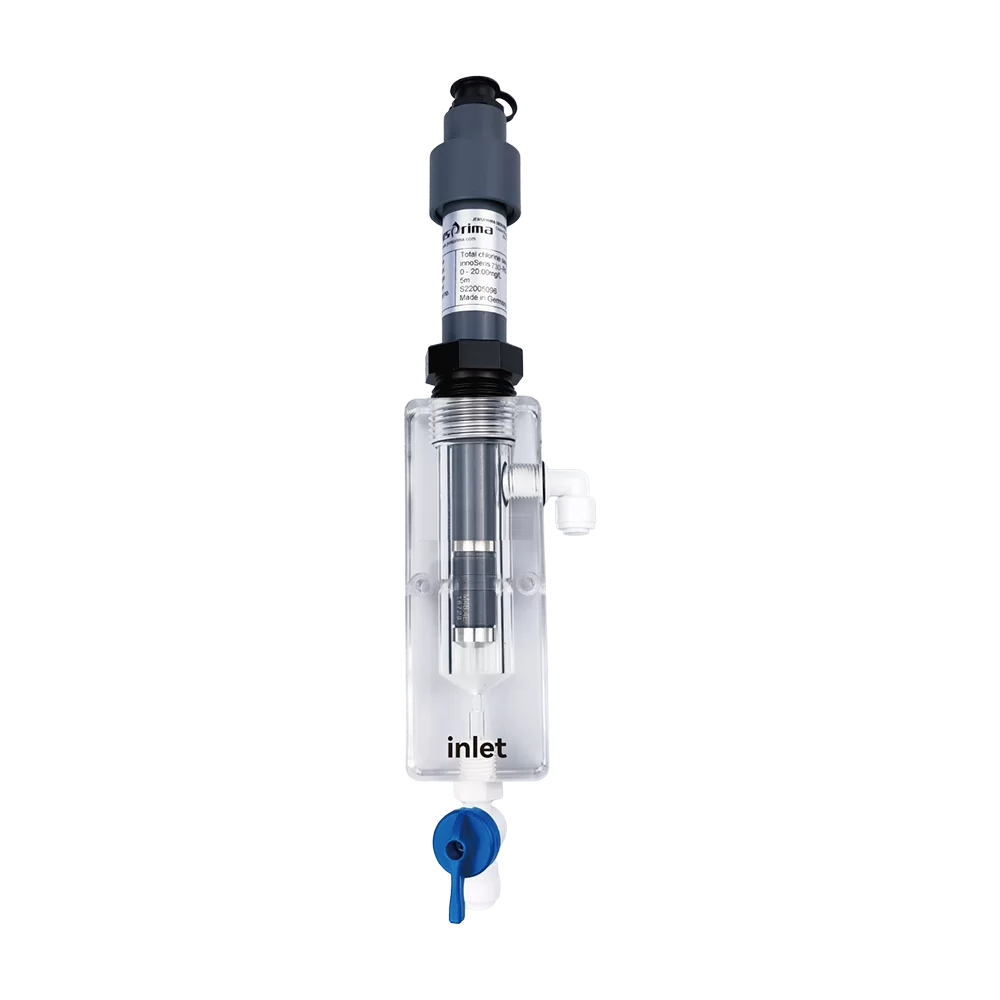
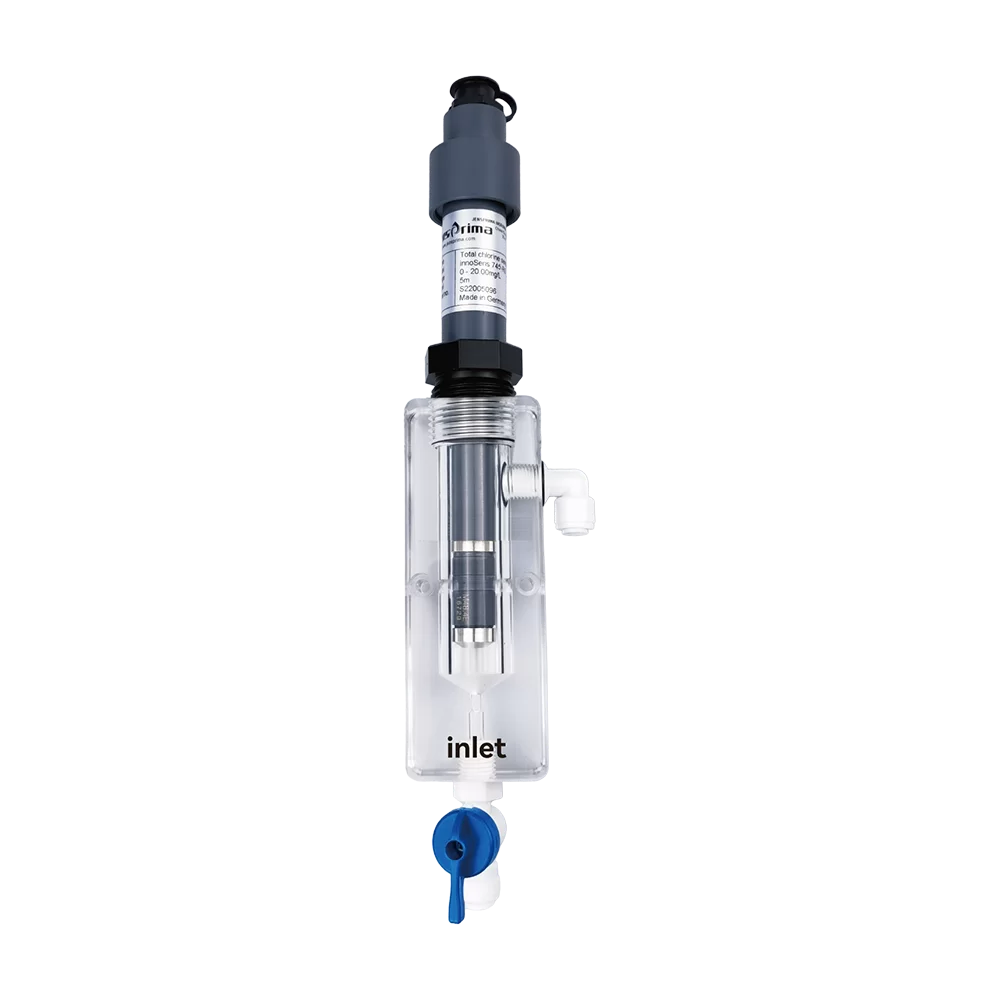
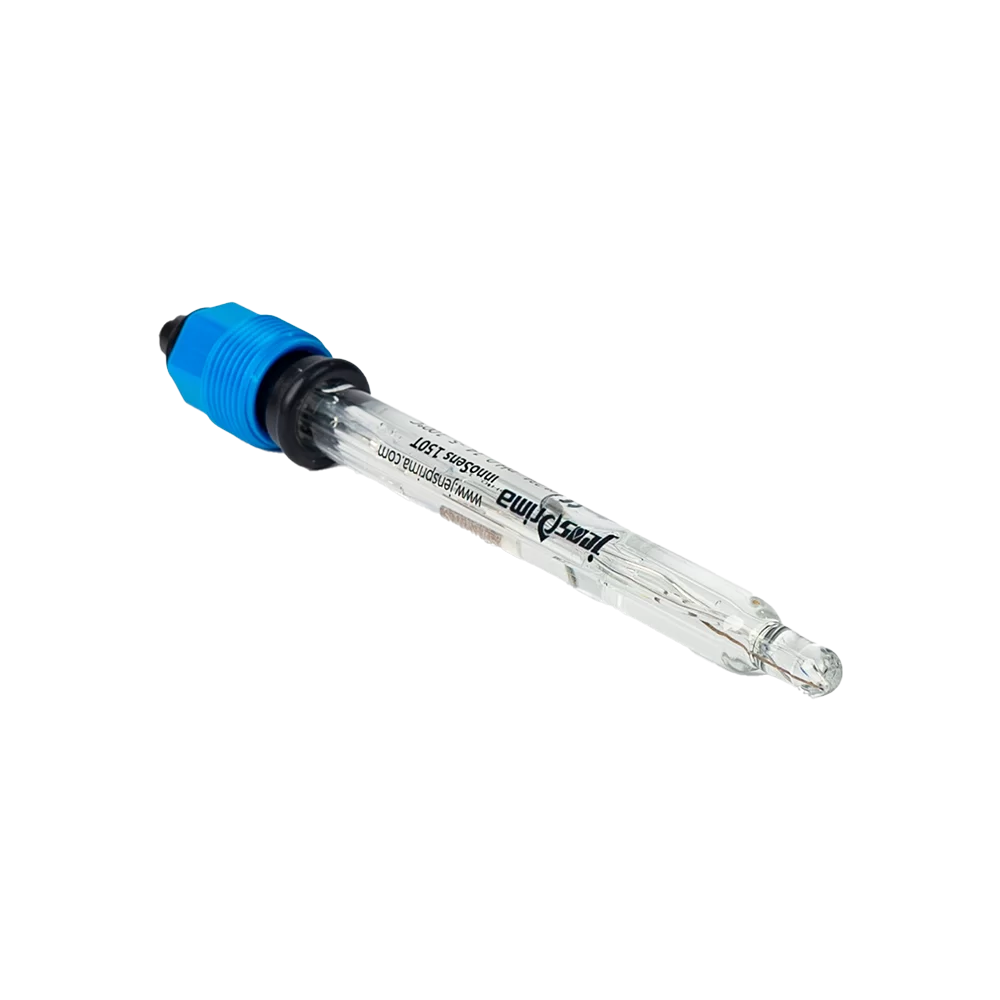
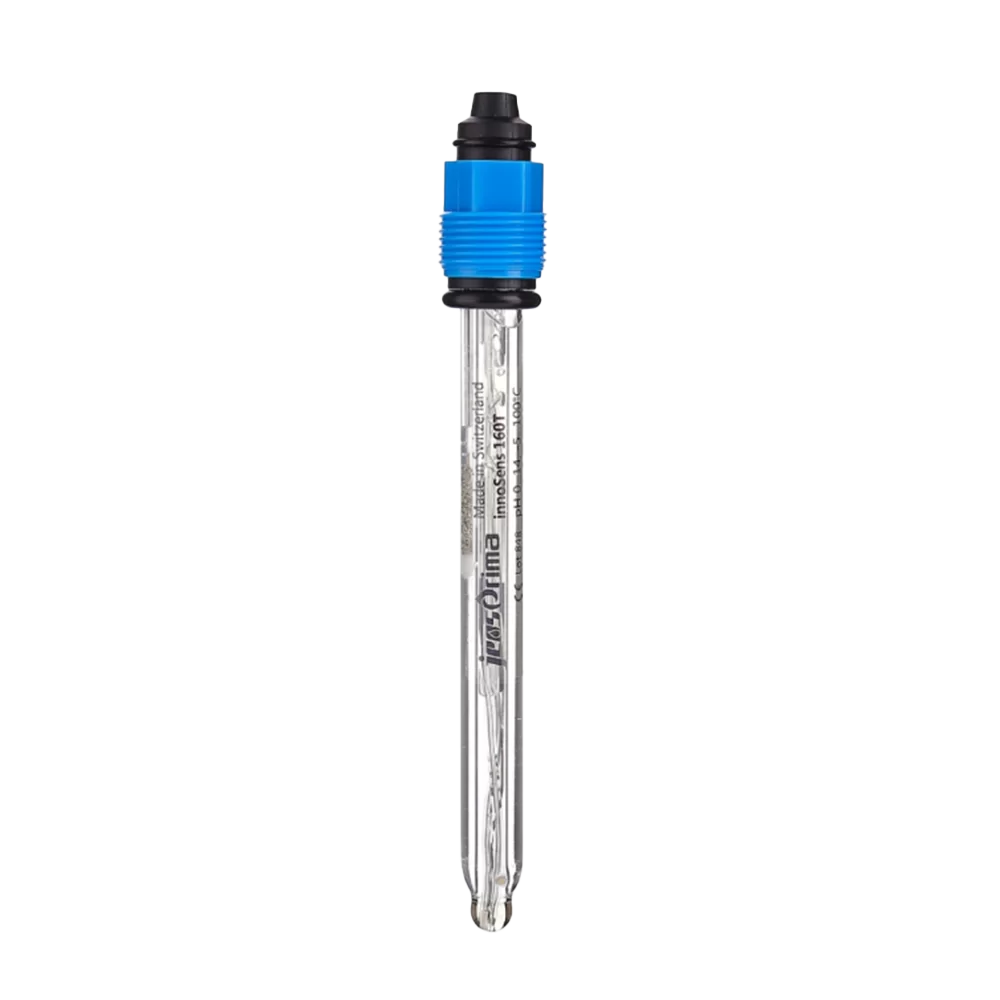
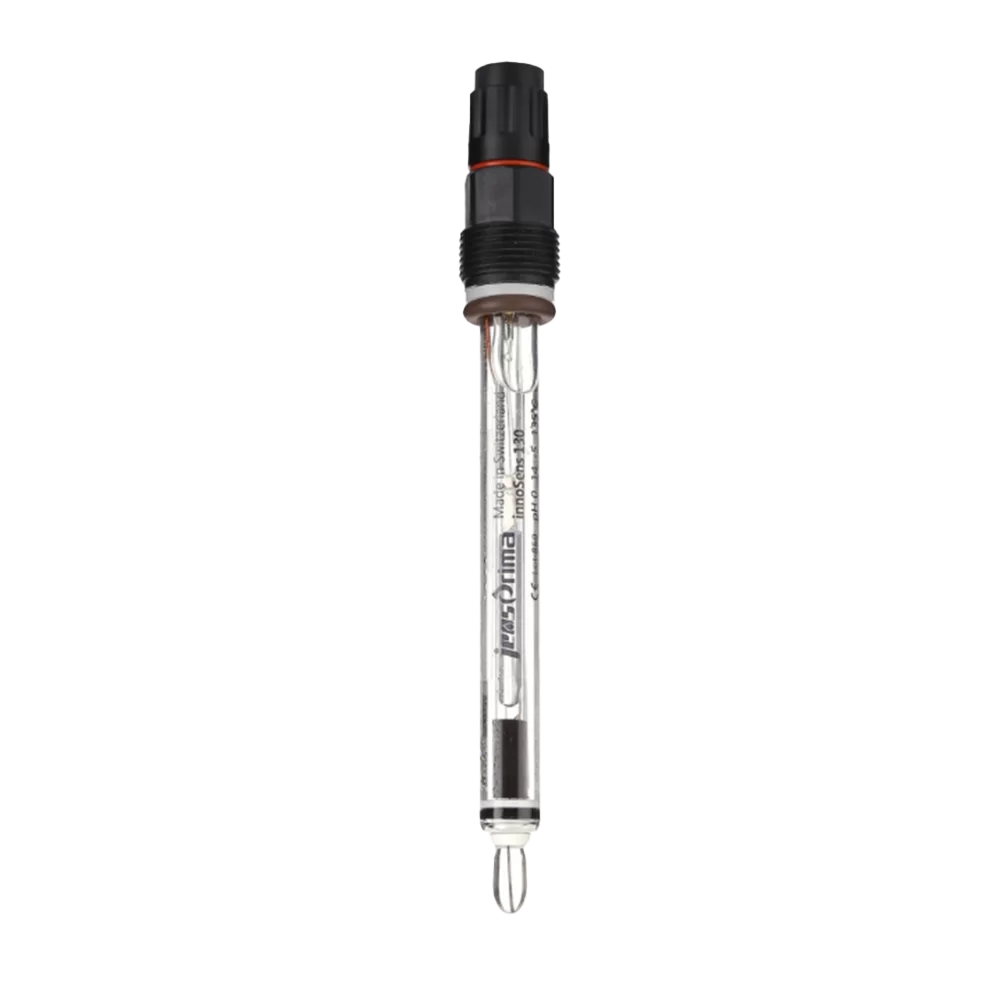
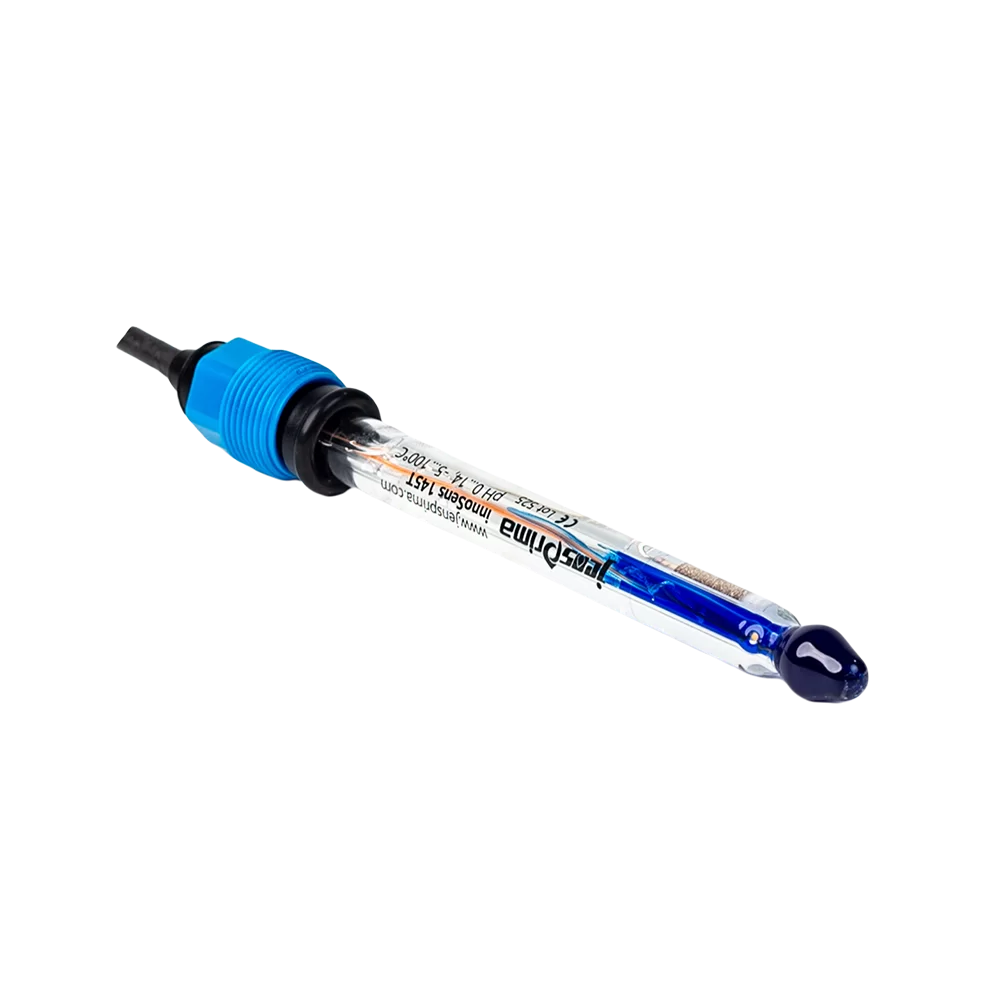
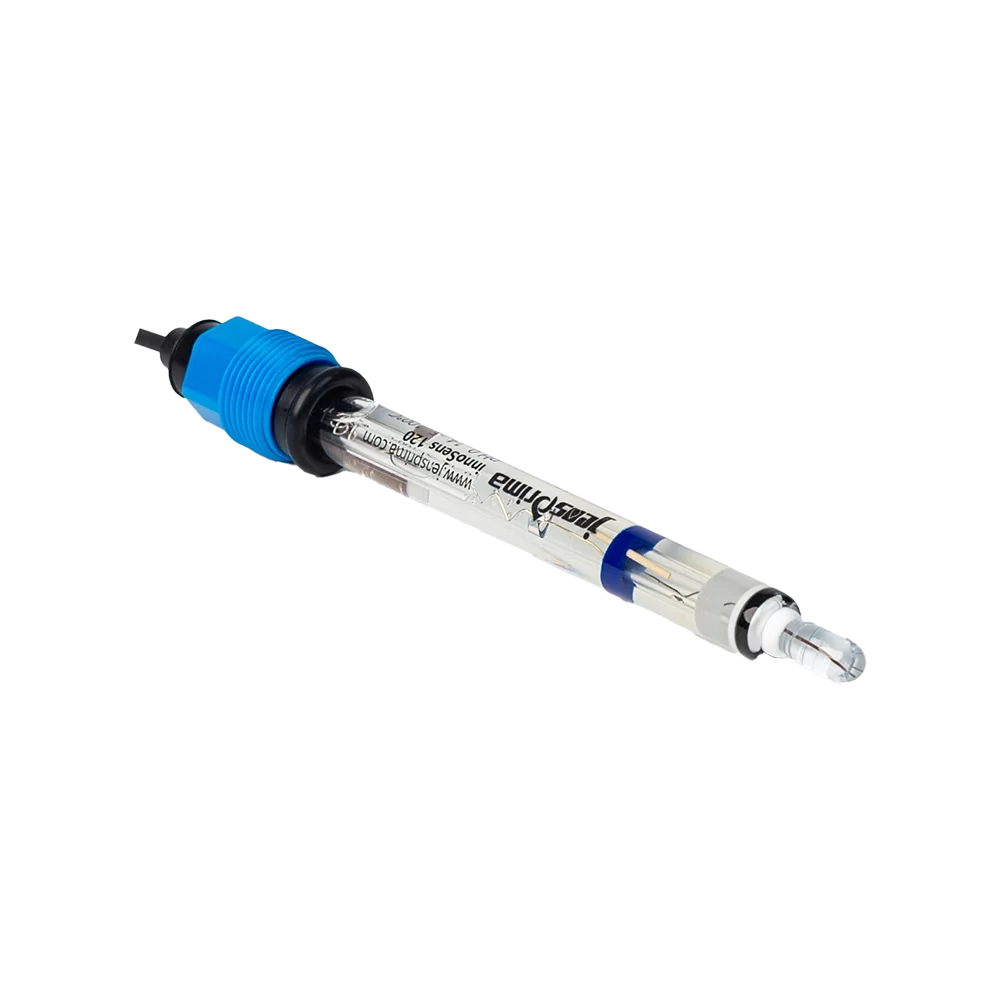
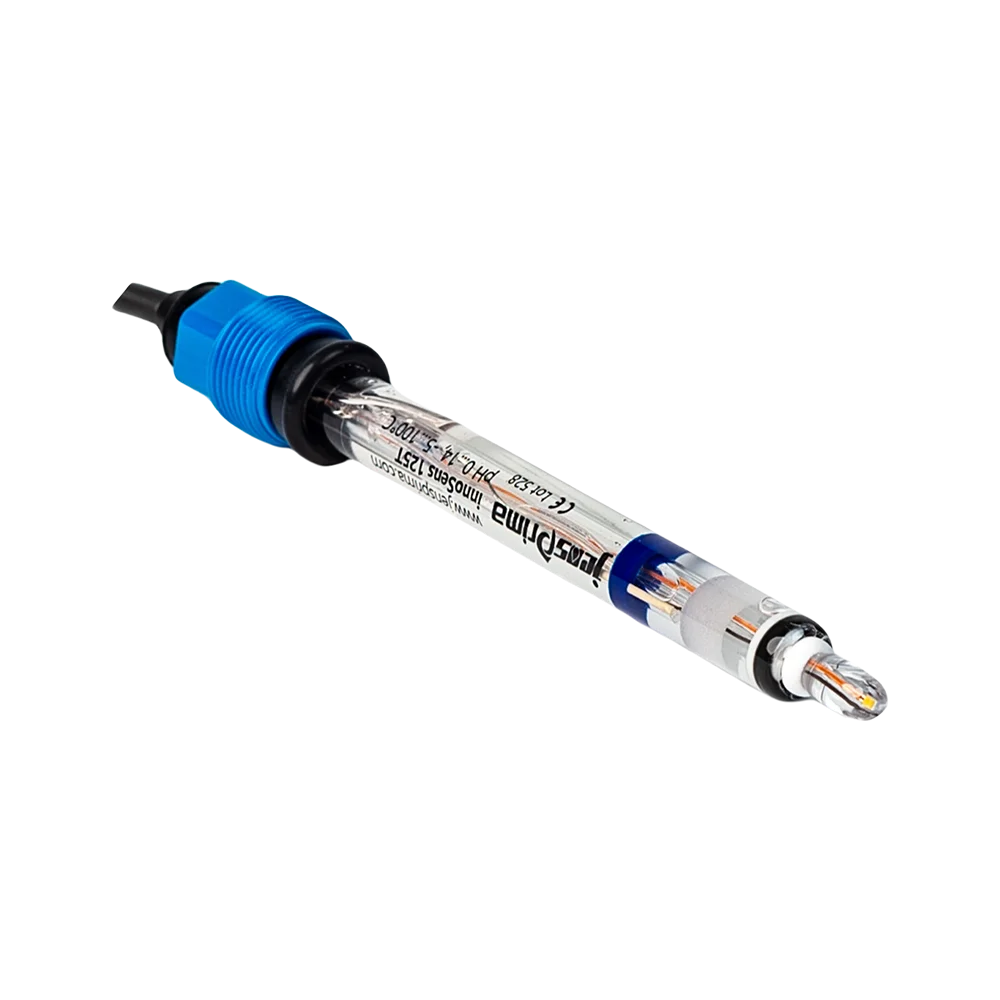
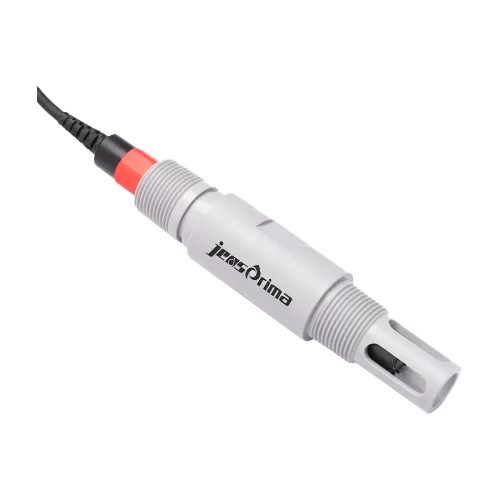
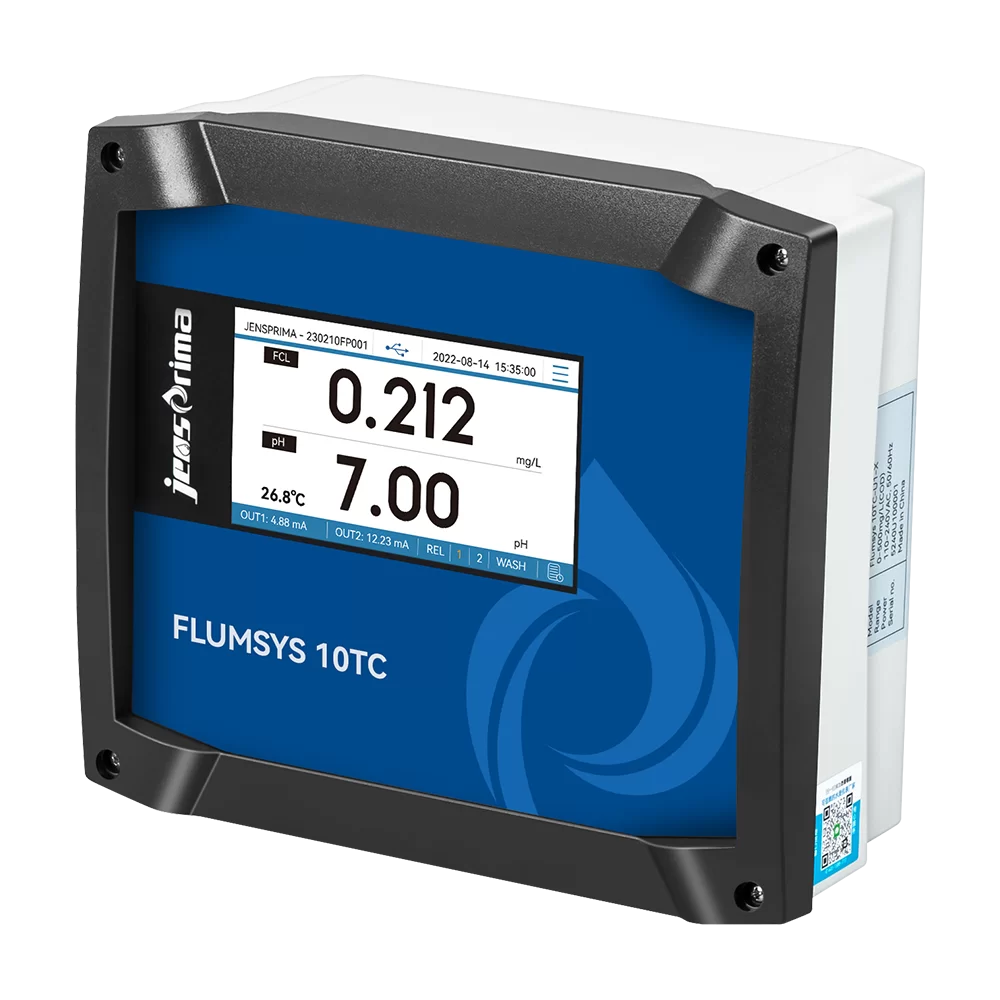
Selecting the appropriate total chlorine sensor depends on several factors, including the application, the required accuracy, the budget, and the maintenance capabilities. For swimming pools and spas, an amperometric sensor is often sufficient. For wastewater treatment plants, a more accurate spectrophotometric sensor may be necessary. Consider factors like sensor lifespan, drift, and the availability of calibration solutions. Jensprima offers a range of high-quality total chlorine sensors to meet diverse needs.
| Sensor Type |
Accuracy |
Cost |
Maintenance |
| Amperometric |
Moderate |
Low |
Regular cleaning & calibration |
| Colorimetric |
High |
Medium |
Reagent replacement & calibration |
| Spectrophotometric |
Very High |
High |
Complex calibration & maintenance |
Jensprima: Your Trusted Partner for Total Chlorine Monitoring
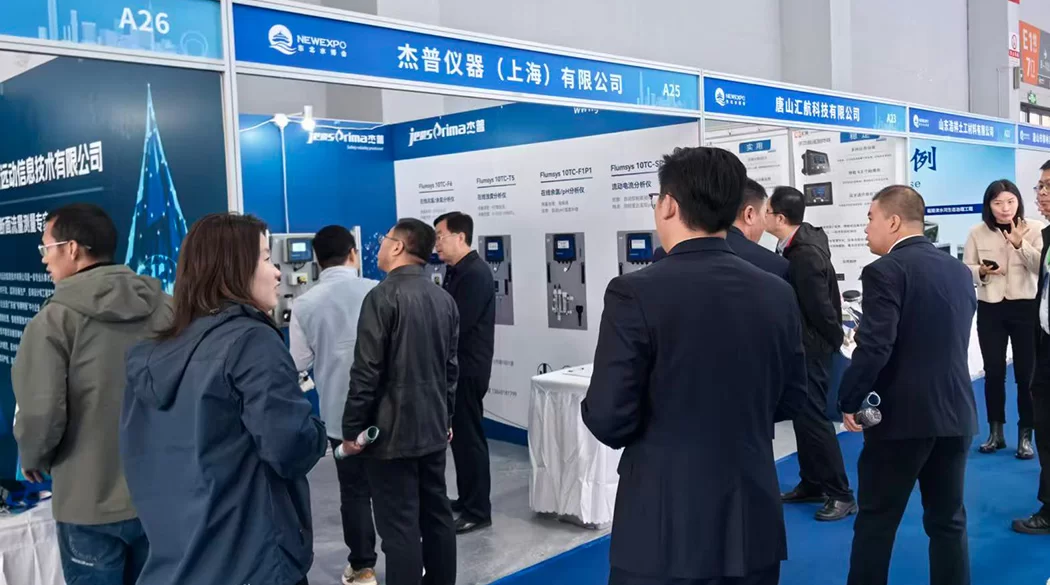
At Jensprima, we specialize in providing high-quality water quality monitoring solutions, including a comprehensive range of total chlorine sensors. Our sensors are designed for accuracy, reliability, and ease of use. We offer expert technical support and customized solutions to meet your specific needs.
Conclusion: Ensuring Water Quality with Reliable Sensors
Accurate total chlorine measurement is essential for maintaining safe and effective water systems. Choosing the right sensor is a critical decision. Jensprima provides a wide selection of reliable and accurate total chlorine sensors to meet the demands of various applications. Invest in a quality sensor today to ensure the health and safety of your water systems.
Frequently Asked Questions (FAQs)
We are dedicated to supporting your water quality monitoring needs. Here are some frequently asked questions about our total chlorine sensors and their applications.
How often should I calibrate my total chlorine sensor?
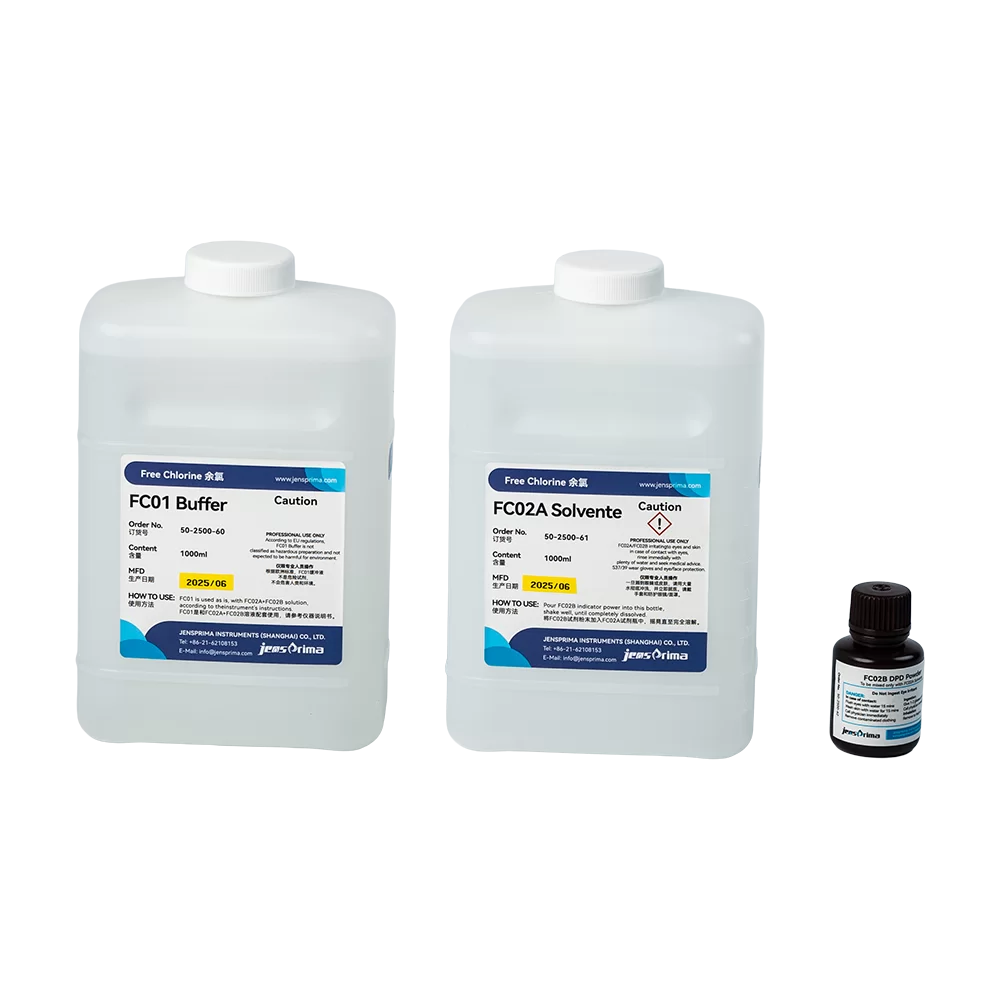
Calibration frequency depends on the sensor type, usage, and environmental conditions. Generally, it's recommended to calibrate amperometric sensors every 1-3 months, colorimetric sensors monthly, and spectrophotometric sensors as per the manufacturer's guidelines. Regular calibration ensures accuracy and reliability. Jensprima provides calibration solutions and detailed instructions for all our sensors. Failing to calibrate can lead to inaccurate readings and potentially compromise water quality.
What is the typical lifespan of a total chlorine sensor?
The lifespan of a total chlorine sensor varies depending on the type, usage, and maintenance. Amperometric sensors typically last 1-2 years, while colorimetric and spectrophotometric sensors may have a lifespan of 2-5 years. Factors like exposure to extreme temperatures, harsh chemicals, and frequent calibration can affect sensor life. Proper storage and regular maintenance can help extend the lifespan of your sensor.
Can I use a total chlorine sensor in saltwater?
Some total chlorine sensors are suitable for saltwater applications, while others are not. It's crucial to choose a sensor specifically designed for saltwater environments, as the high salinity can damage certain sensor components. Jensprima offers a range of sensors compatible with saltwater, designed to withstand corrosive conditions and provide accurate readings. Always check the sensor's specifications before use.
What maintenance is required for a total chlorine sensor?
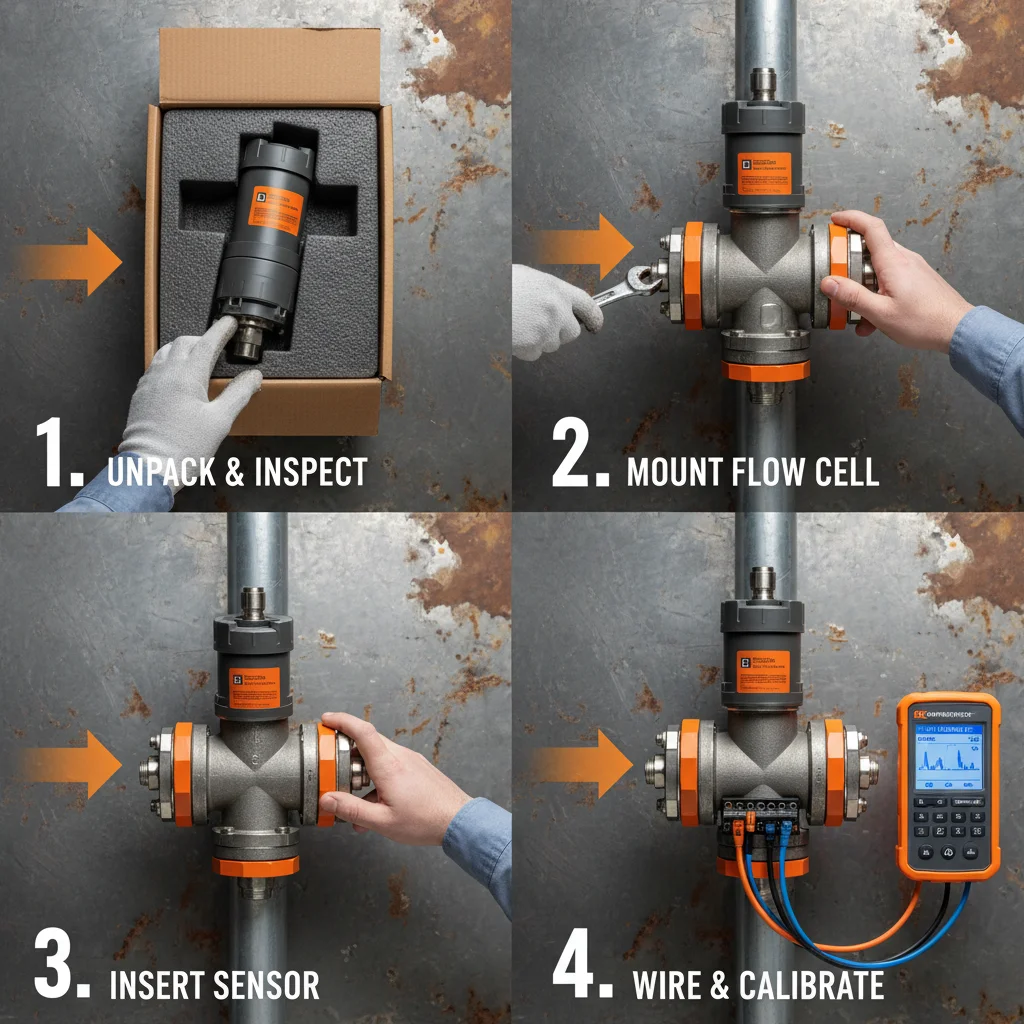
Regular maintenance is crucial for ensuring the accuracy and longevity of your total chlorine sensor. This includes cleaning the sensor regularly to remove any buildup of debris, calibrating the sensor according to the manufacturer's instructions, and replacing any worn or damaged components. Proper maintenance will help prevent inaccurate readings and extend the lifespan of your sensor.





 Download
 Video Center
 Technical Services
 FAQS
FAQS Service Network
 Privacy Policy
 Contact Us




 LEARN MORE