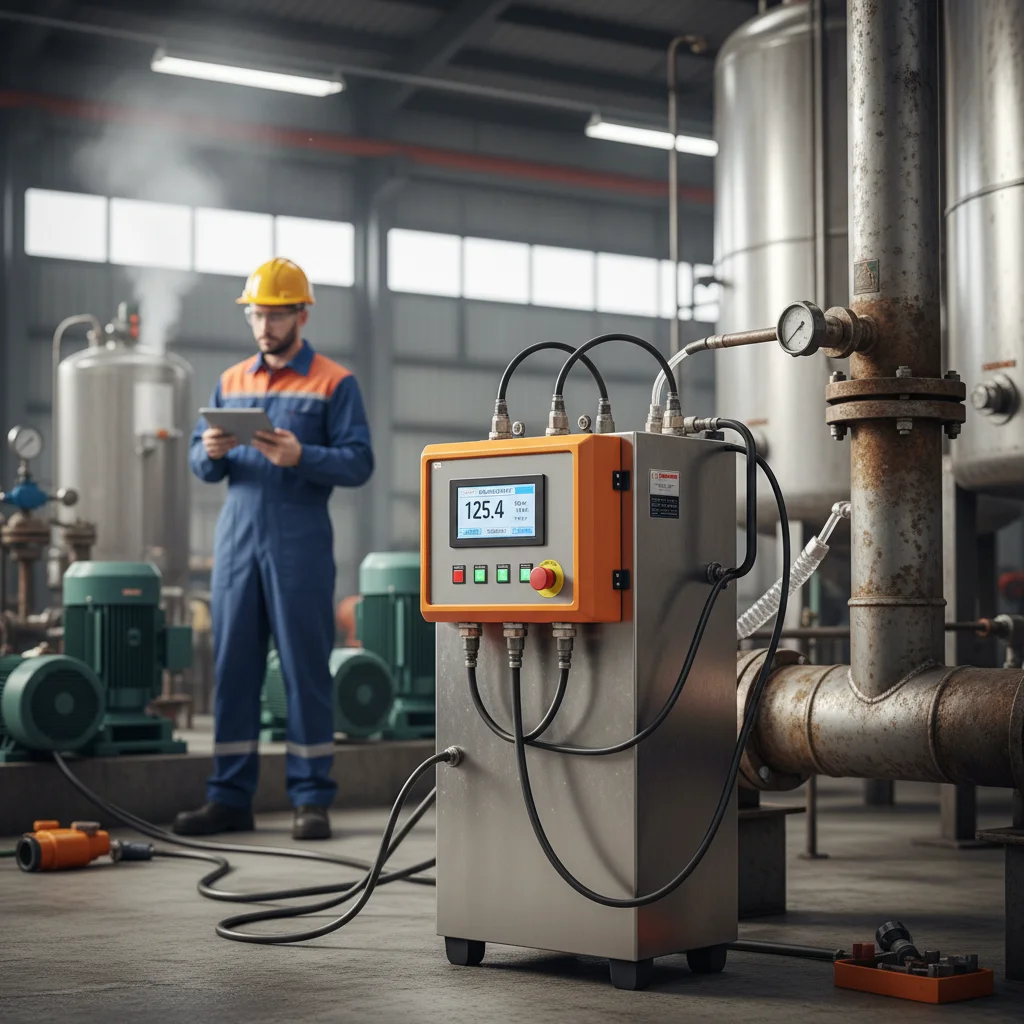
Look, I've spent the last fifteen years crawling around construction sites, smelling concrete dust, and talking shop with the guys who actually build things. And let me tell you, reliable water quality monitoring isn't some lab experiment – it's the difference between a smooth project and a total headache. That's where a good free chlorine sensor 4 20ma comes in. It's not about fancy reports; it’s about knowing right now if your water is safe for mixing concrete, keeping cooling towers clean, or ensuring potable water systems are functioning as they should. A properly calibrated and deployed free chlorine sensor 4 20ma keeps projects on schedule and within budget.
I've seen projects stalled because of unexpected microbial growth in water systems. It eats into timelines, adds costs for remediation, and frankly, creates a safety hazard. These sensors aren't just about compliance; they're about protecting the workers, the environment, and the bottom line. We're not talking about theoretical purity, we’re talking about practical application. A robust free chlorine sensor 4 20ma system offers a proactive approach to water management, moving us beyond reactive testing and into preventative maintenance.
Frankly, a lot of the sensors out there are just too delicate for the conditions we work in. They need constant maintenance, recalibration, and they just break when you need them most. That's why I keep coming back to systems that are built to withstand the real world, systems that give you reliable data without needing a PhD to operate. It's about simplicity and durability; the tools need to work with us, not against us.
The Importance of Reliable Water Monitoring
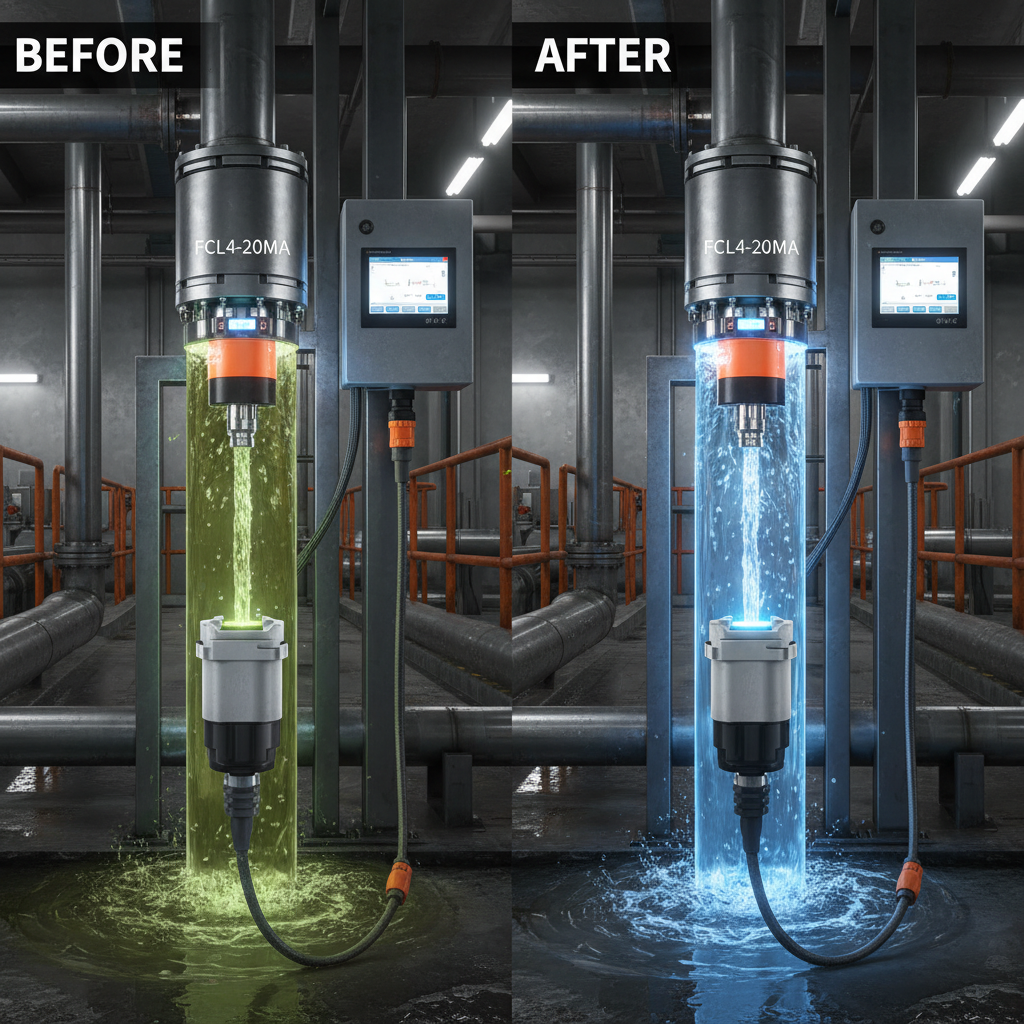
Look, water quality isn’t just about drinking water. It’s about everything on a construction site. From the concrete mix needing precise water-to-cement ratios, to preventing legionella in cooling towers, to ensuring wastewater discharge meets environmental regulations. Getting it wrong can cause delays, extra costs, and potentially serious safety issues. A reliable free chlorine sensor 4 20ma provides the real-time data you need to avoid those pitfalls.
The UN estimates that billions of people lack access to safely managed drinking water and sanitation, a problem exacerbated by climate change and rapid urbanization. Even in developed nations, aging infrastructure and increasing industrial activity necessitate vigilant monitoring. And these aren’t just abstract global concerns; they translate directly into challenges on our job sites, impacting schedules and budgets.
Understanding the Free Chlorine Sensor 4 20ma
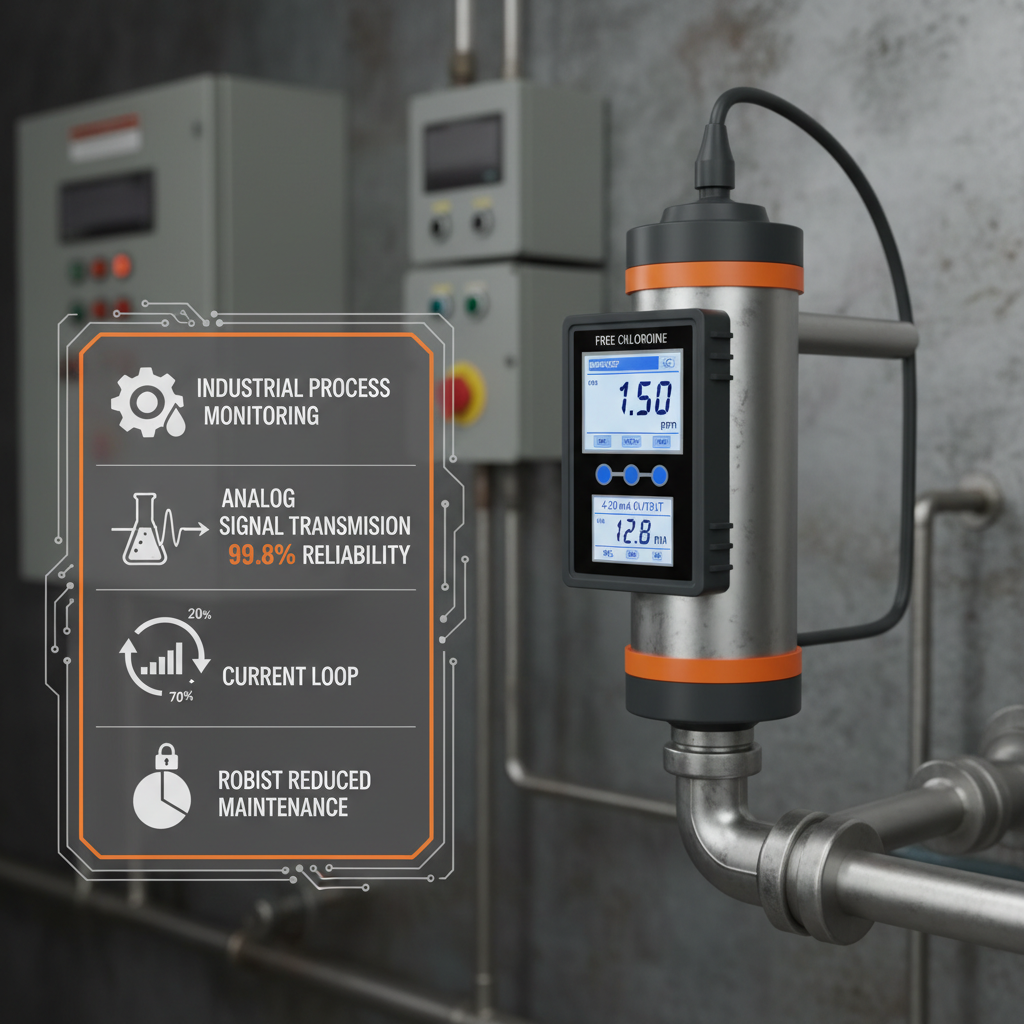
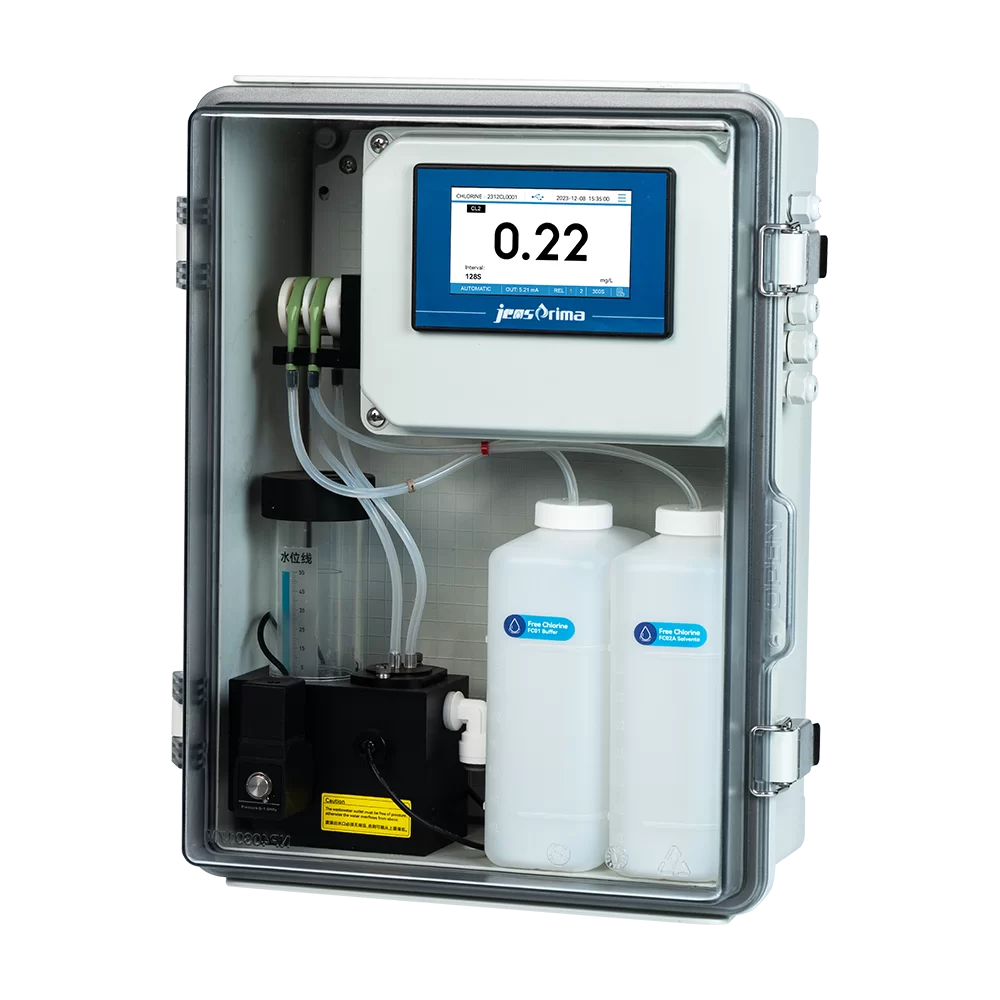
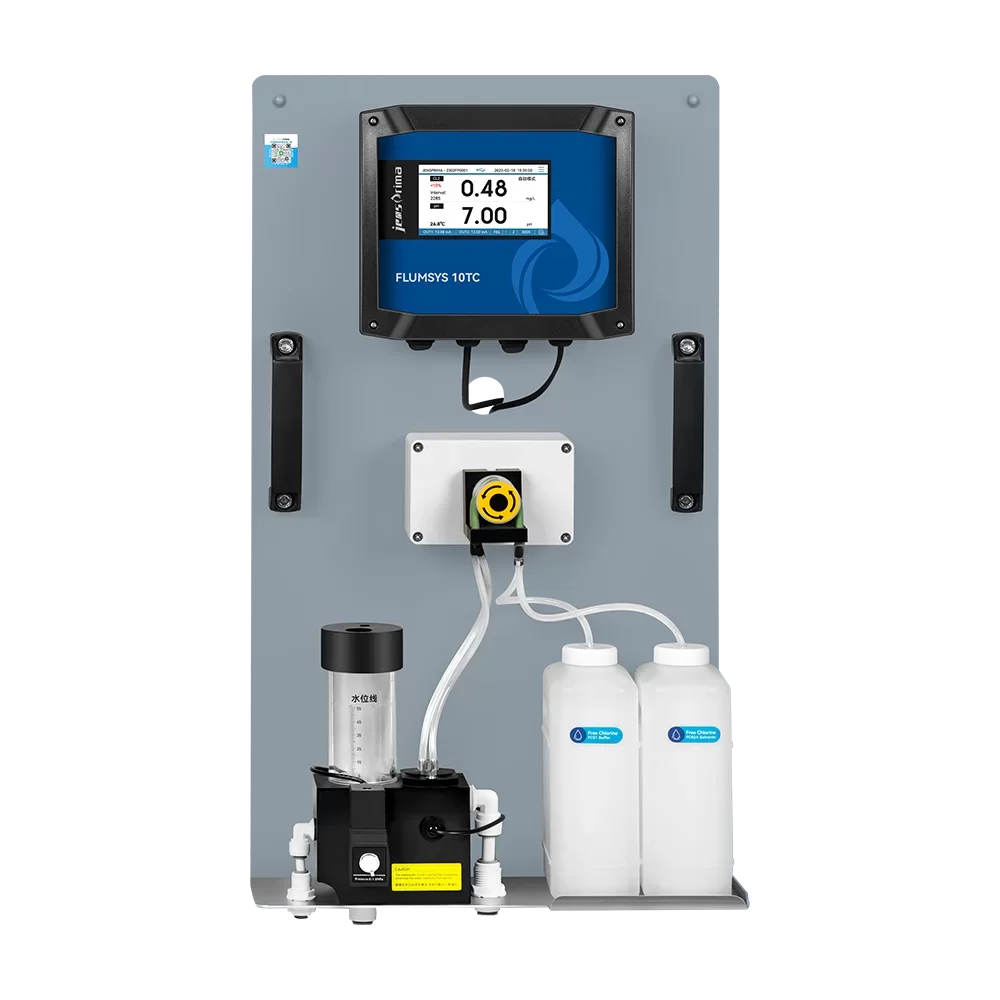
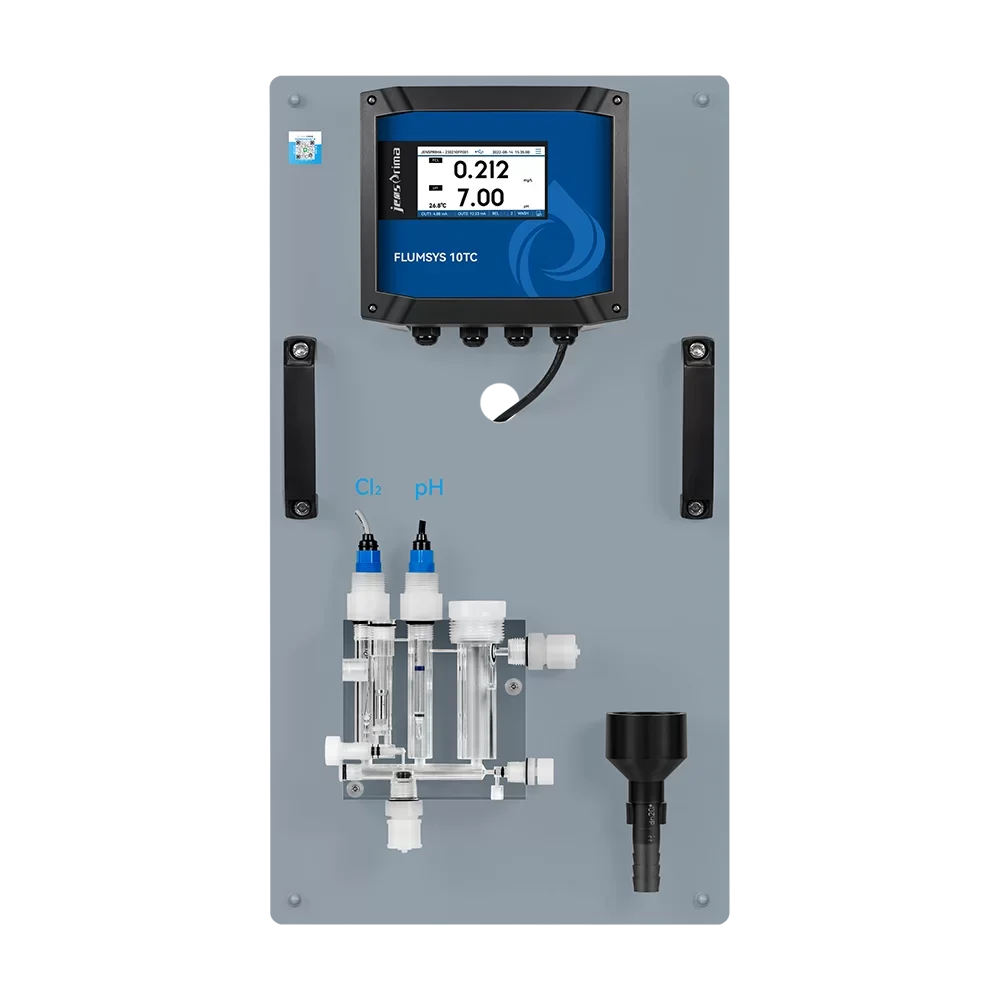
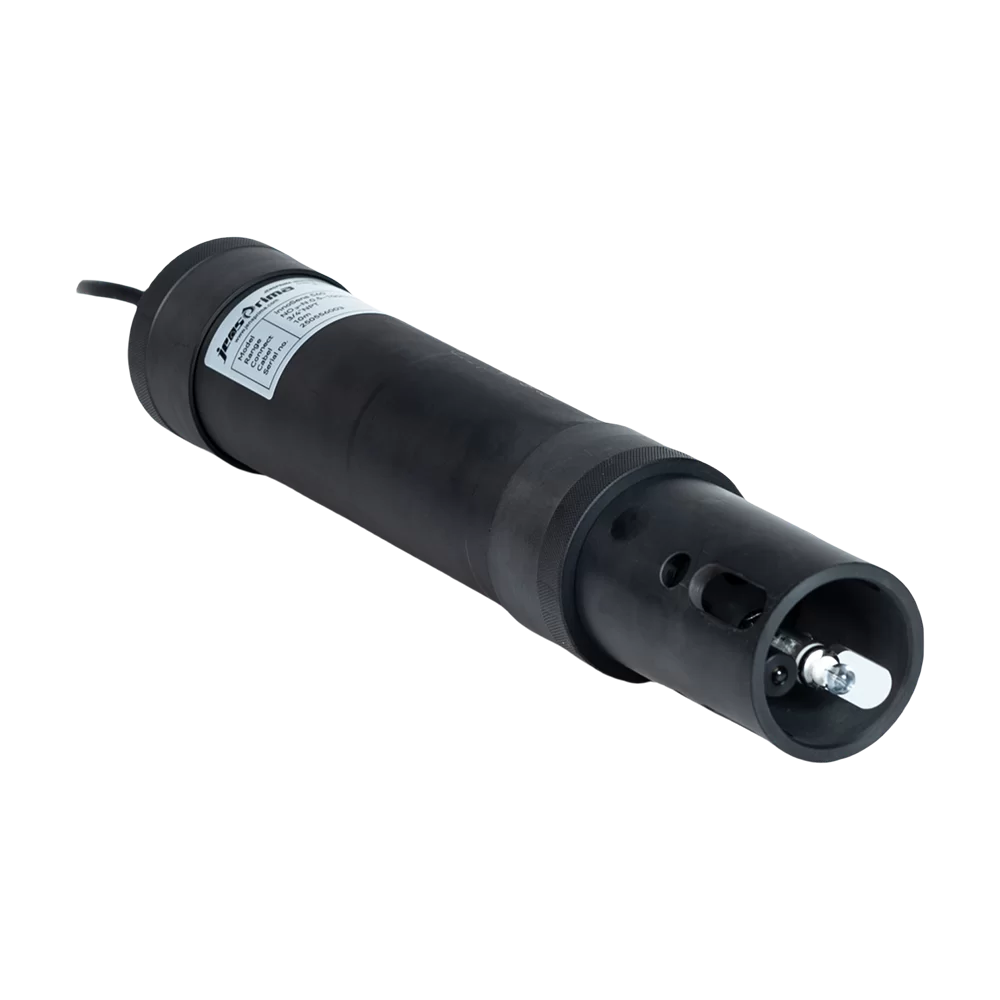
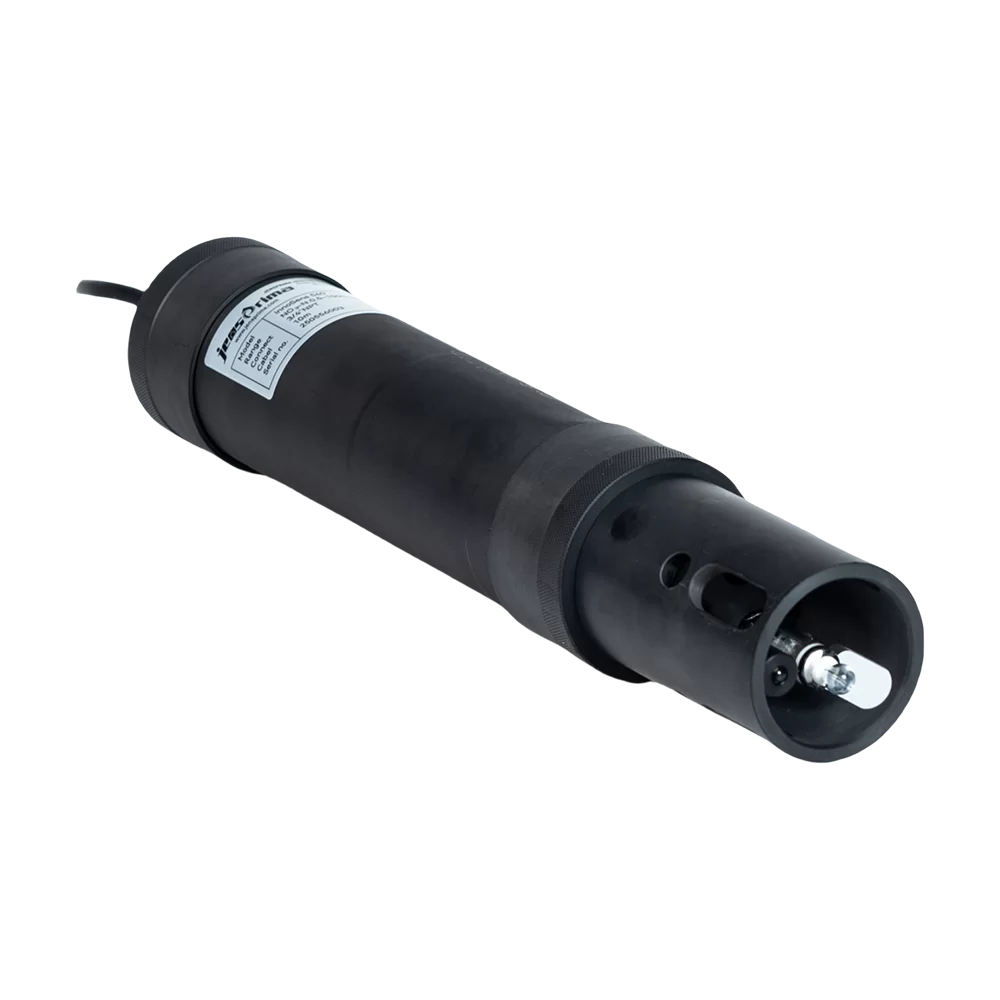
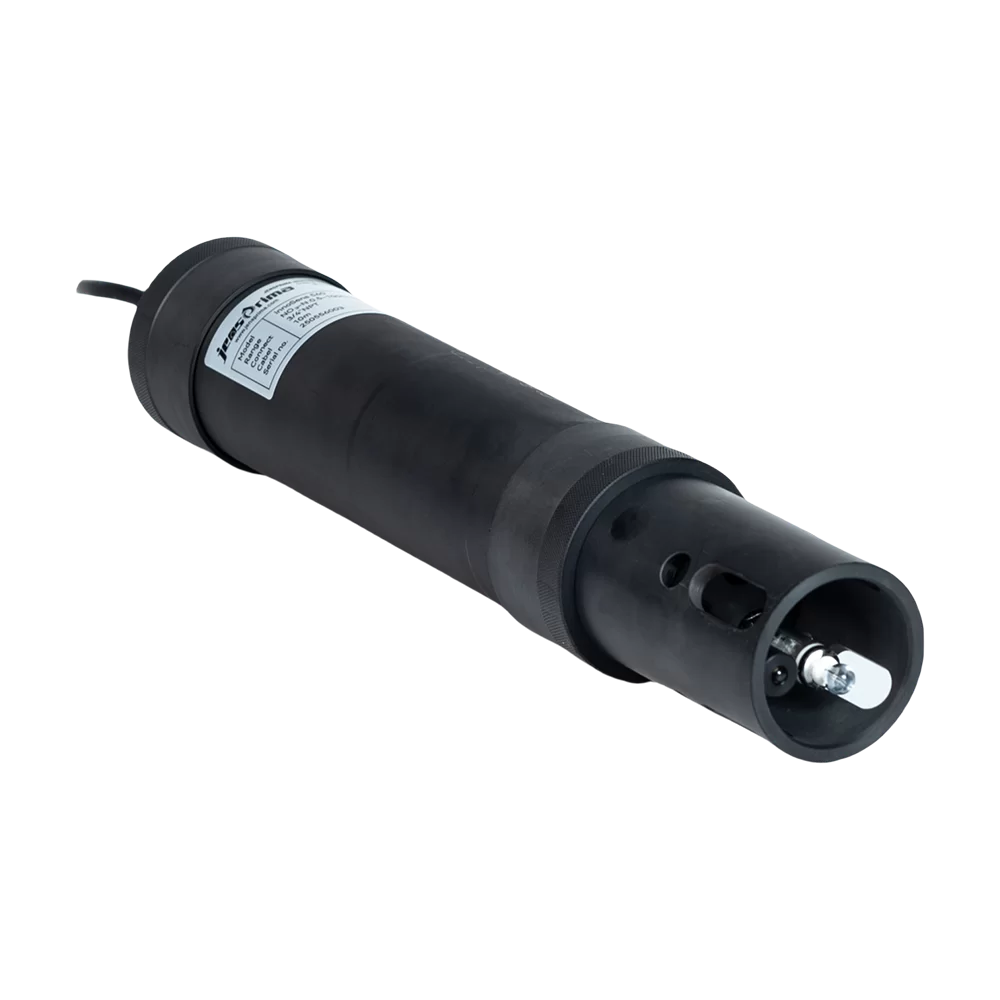
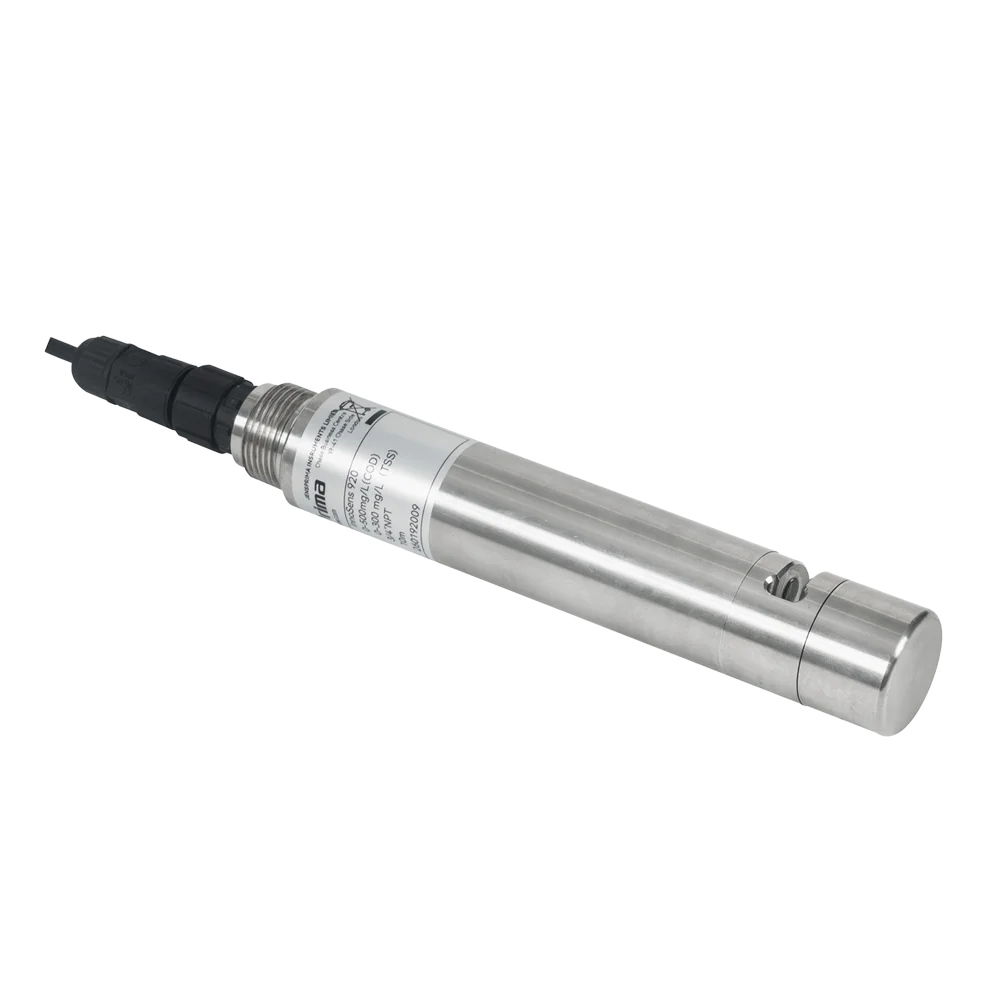
Simply put, a free chlorine sensor 4 20ma measures the amount of free chlorine present in a water sample. “Free chlorine” is the chlorine that’s available to disinfect – the stuff that actually kills bacteria and viruses. The “4 20mA” part refers to the signal the sensor sends. It’s an industry-standard current loop signal. 4mA is usually the zero point, and 20mA is the maximum reading. This allows the sensor to be easily integrated into existing control systems and data acquisition platforms.
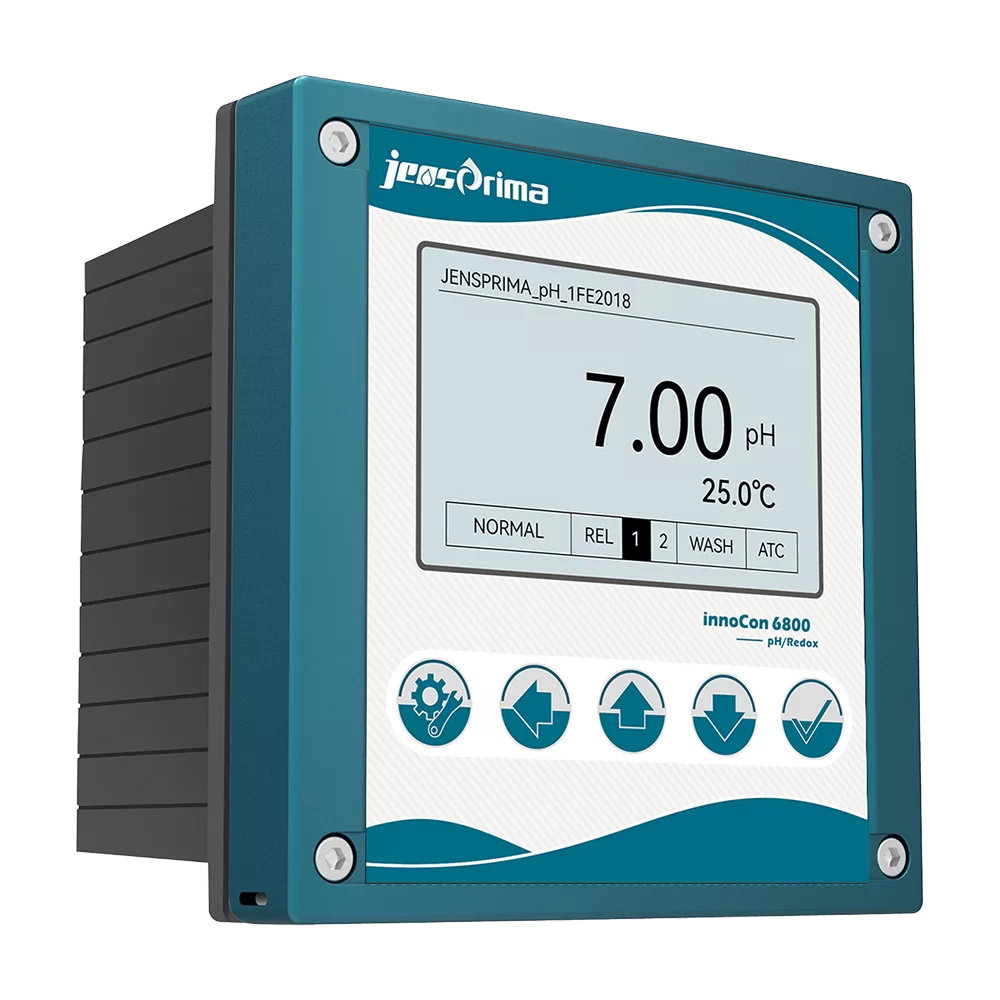
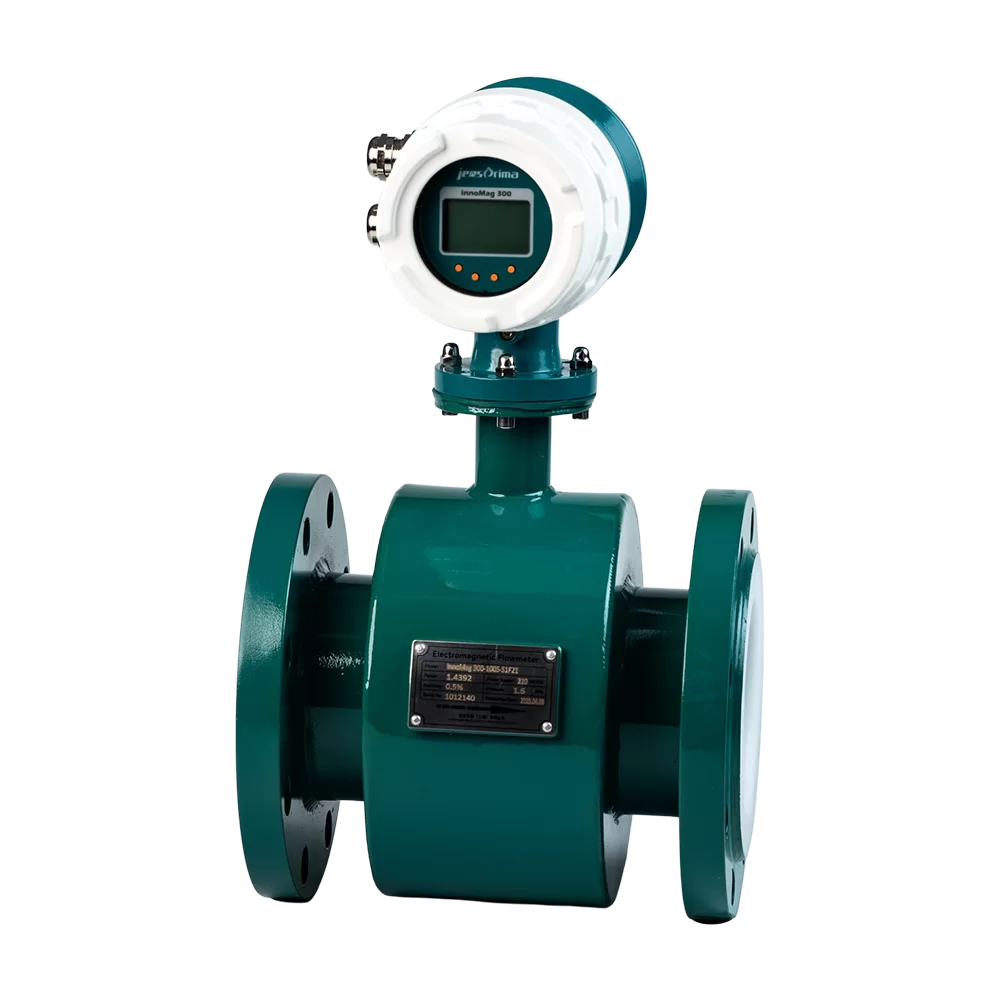
This isn’t some newfangled technology, but the advancements in sensor design and materials have made them far more robust and reliable than they used to be. Modern sensors can withstand harsh chemicals, fluctuating temperatures, and even physical impacts – all crucial for real-world deployments. They're connecting directly to PLCs and SCADA systems, giving operators a clear, real-time picture of water quality.
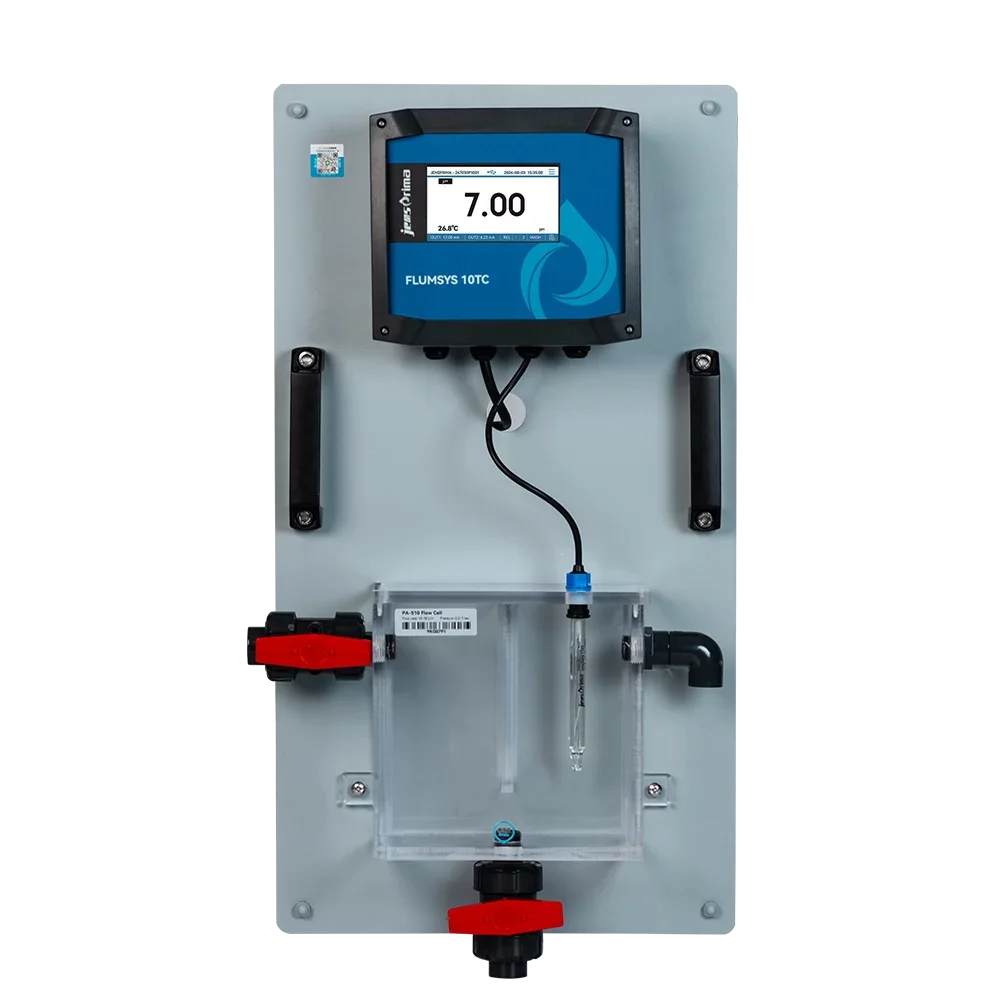
It's all about automation and control. Rather than relying on manual water sampling and lab analysis – which is slow and prone to error – a free chlorine sensor 4 20ma gives you continuous data, enabling automated chemical dosing and precise control of water treatment processes.
Key Components and Performance Factors
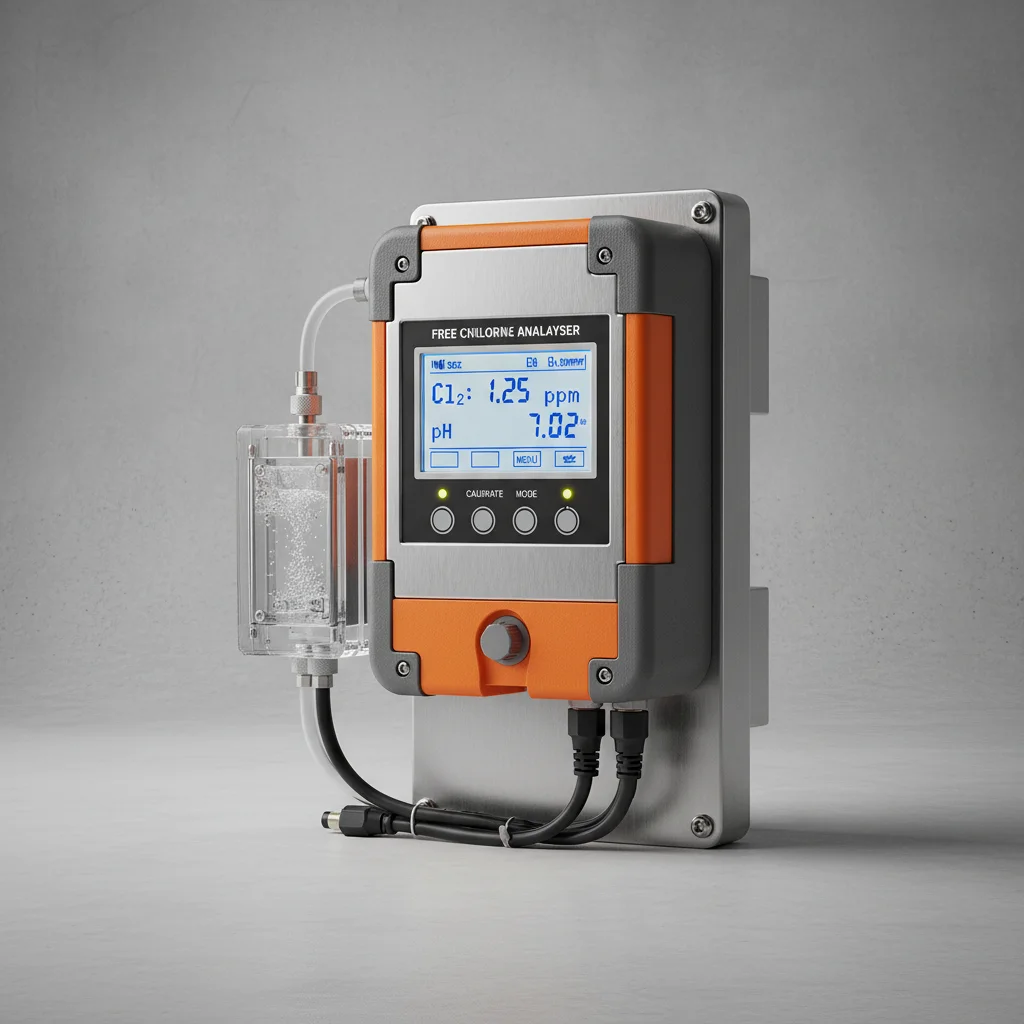
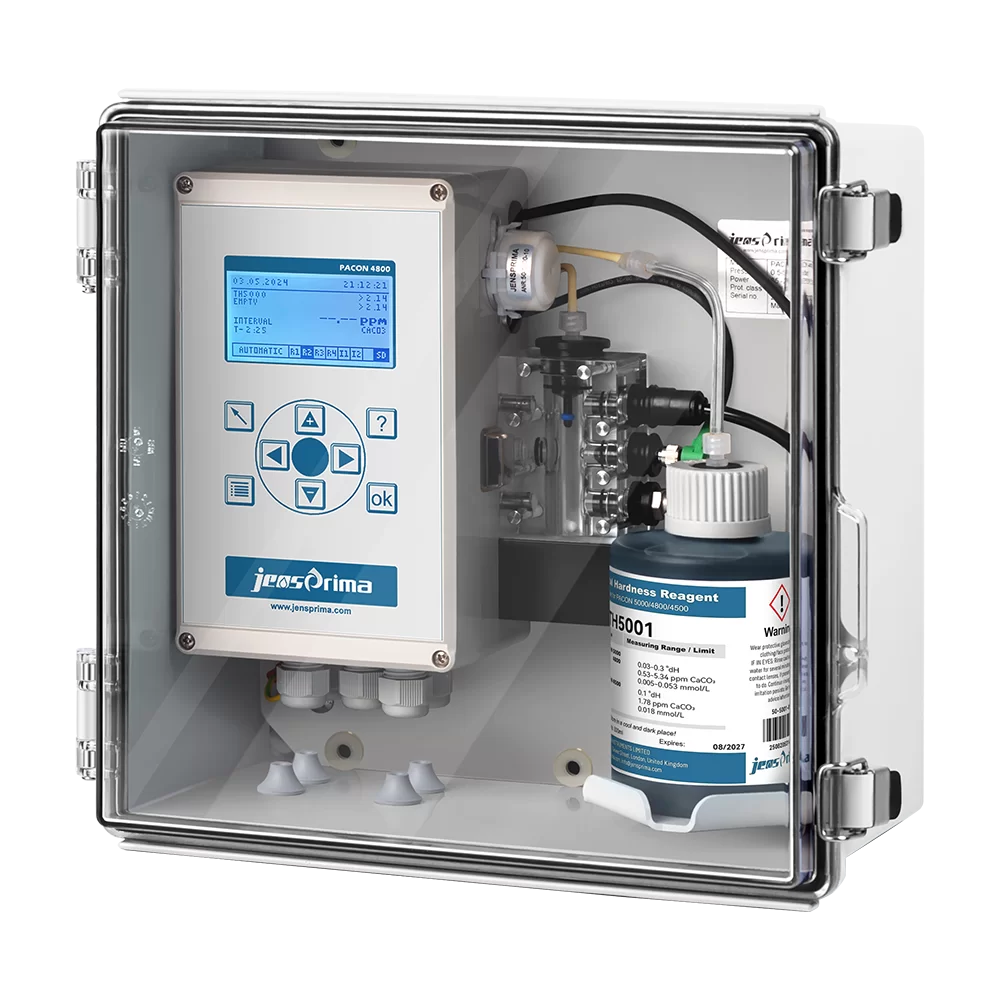
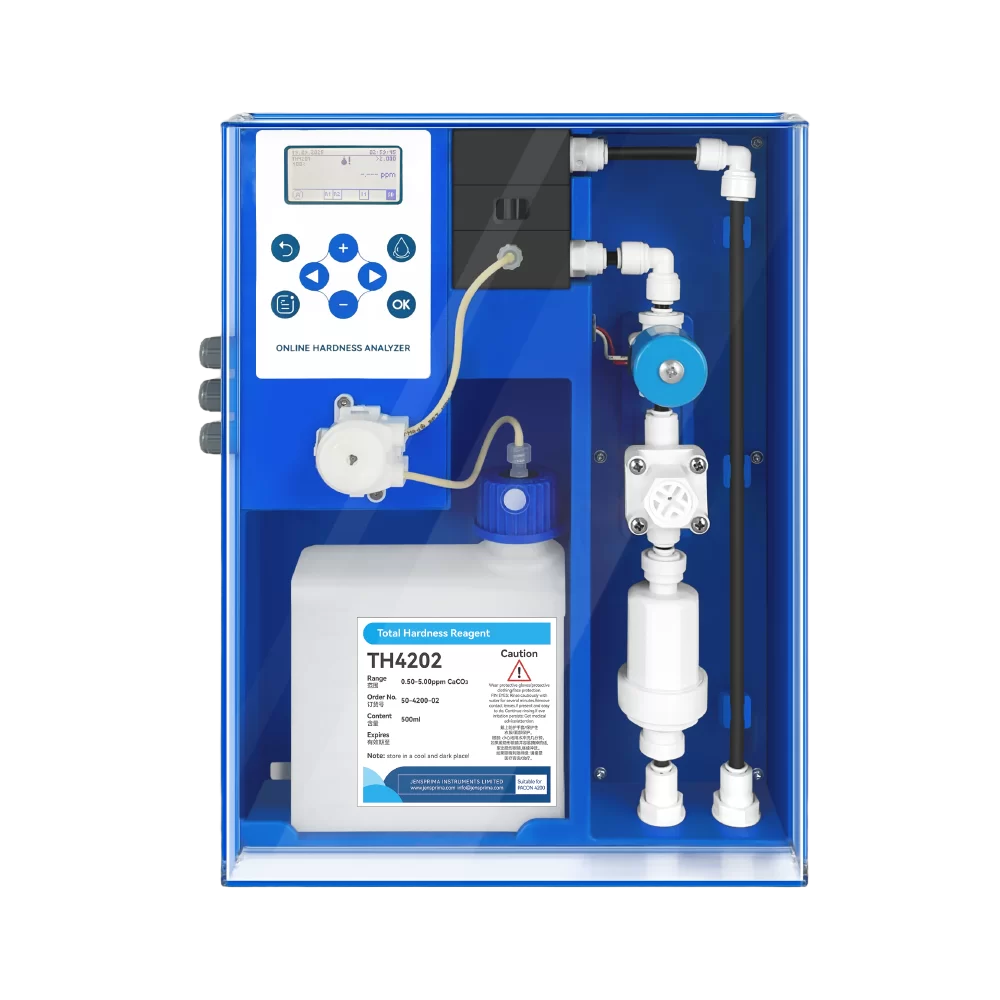
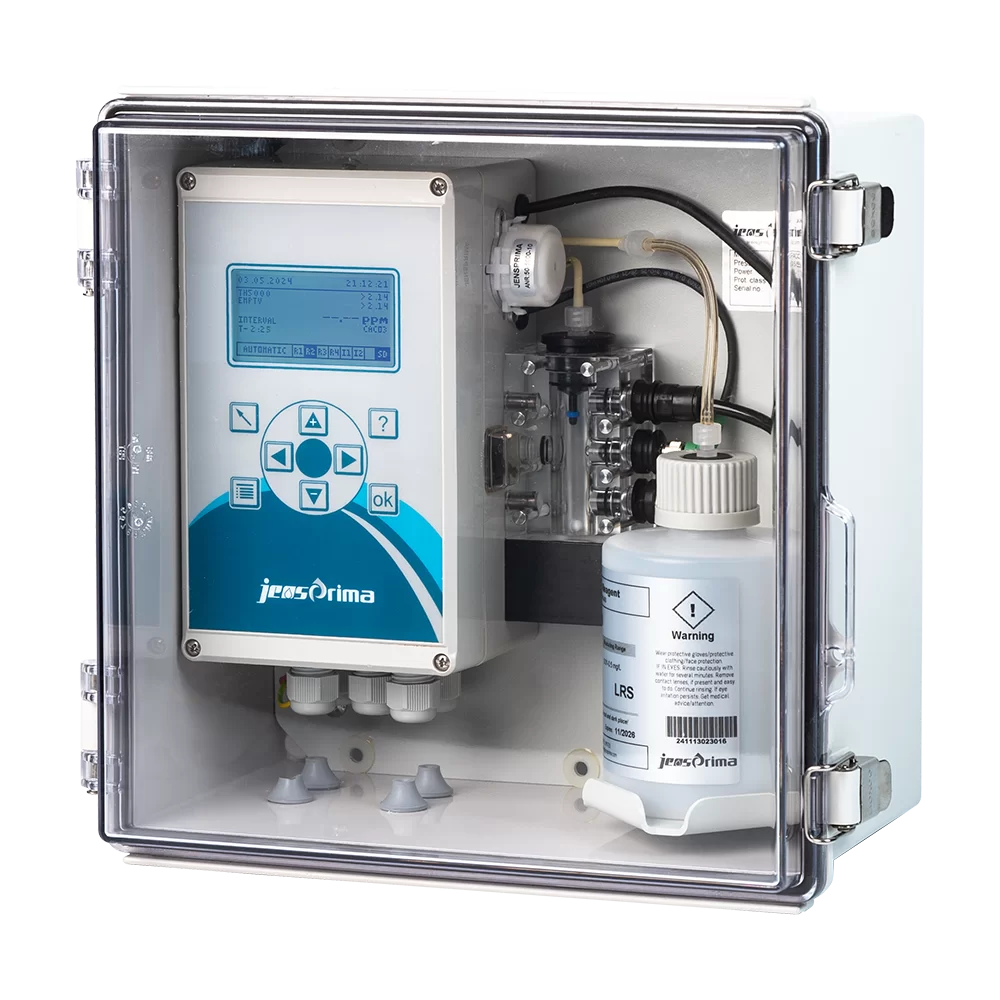
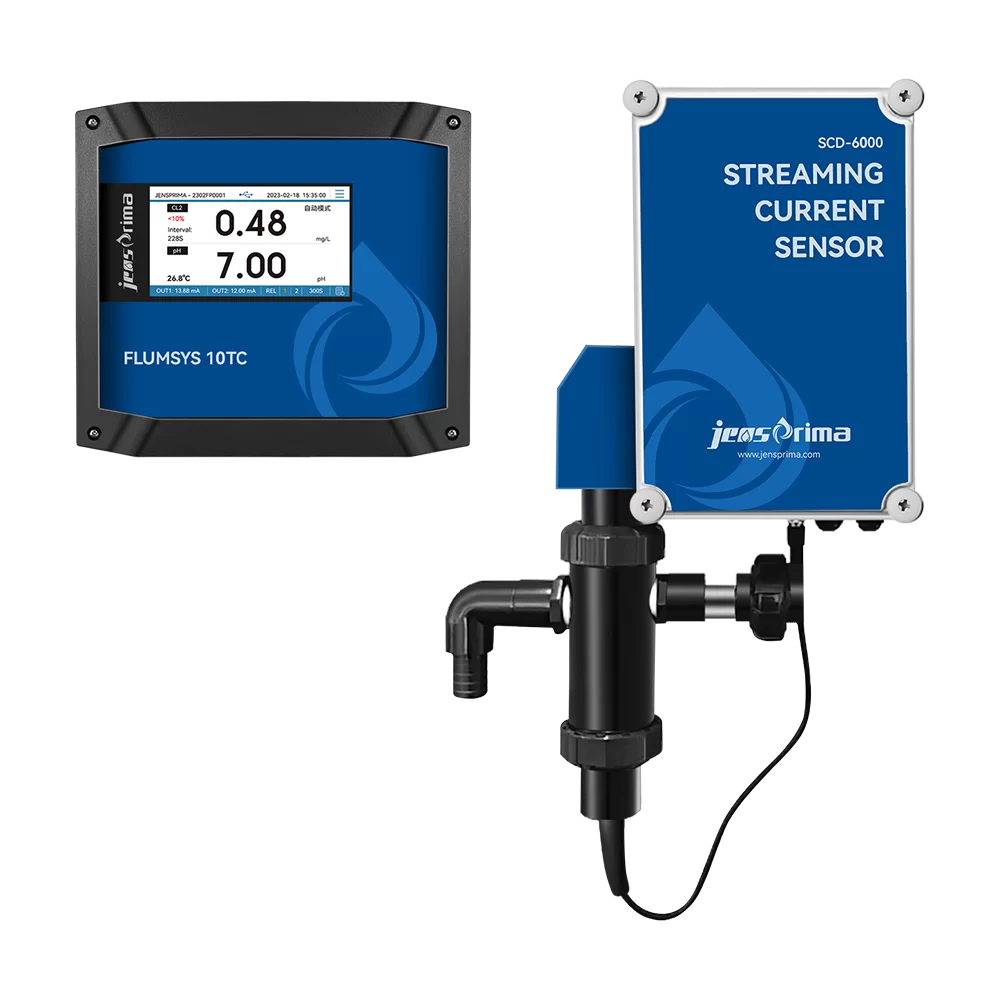
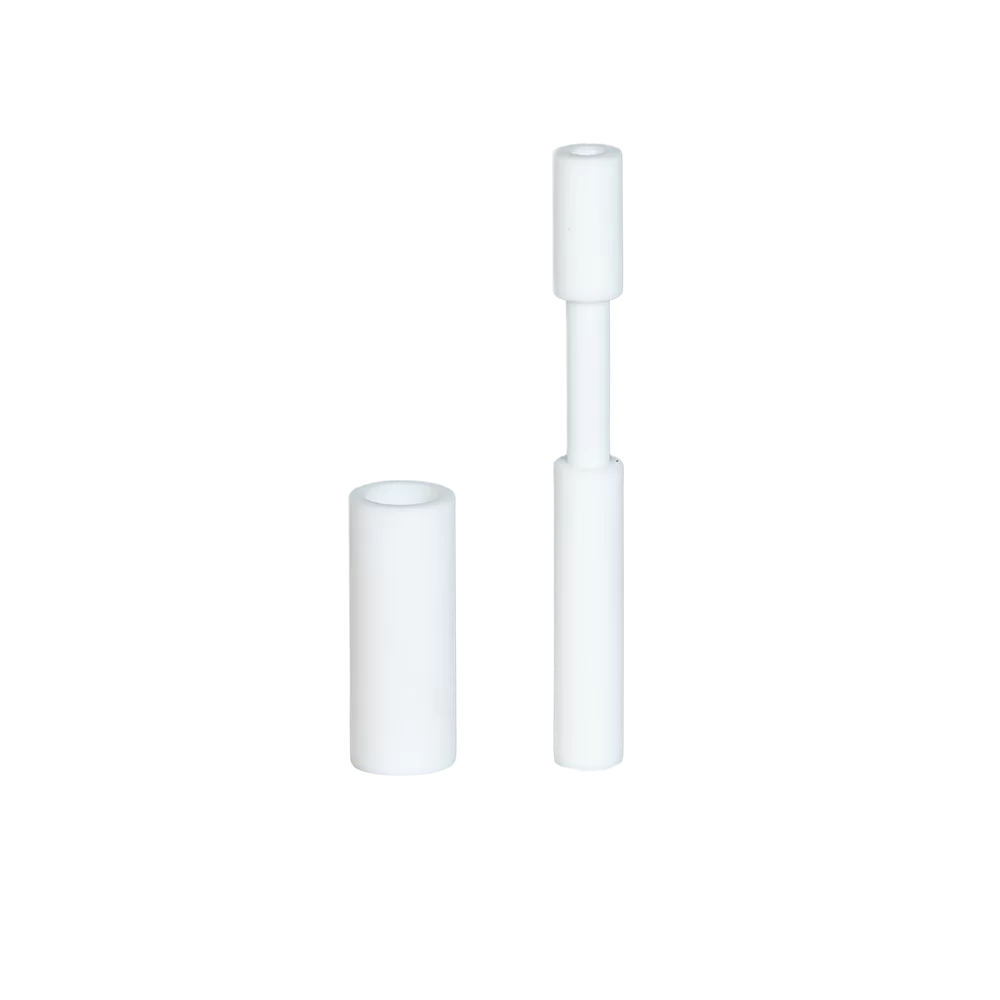
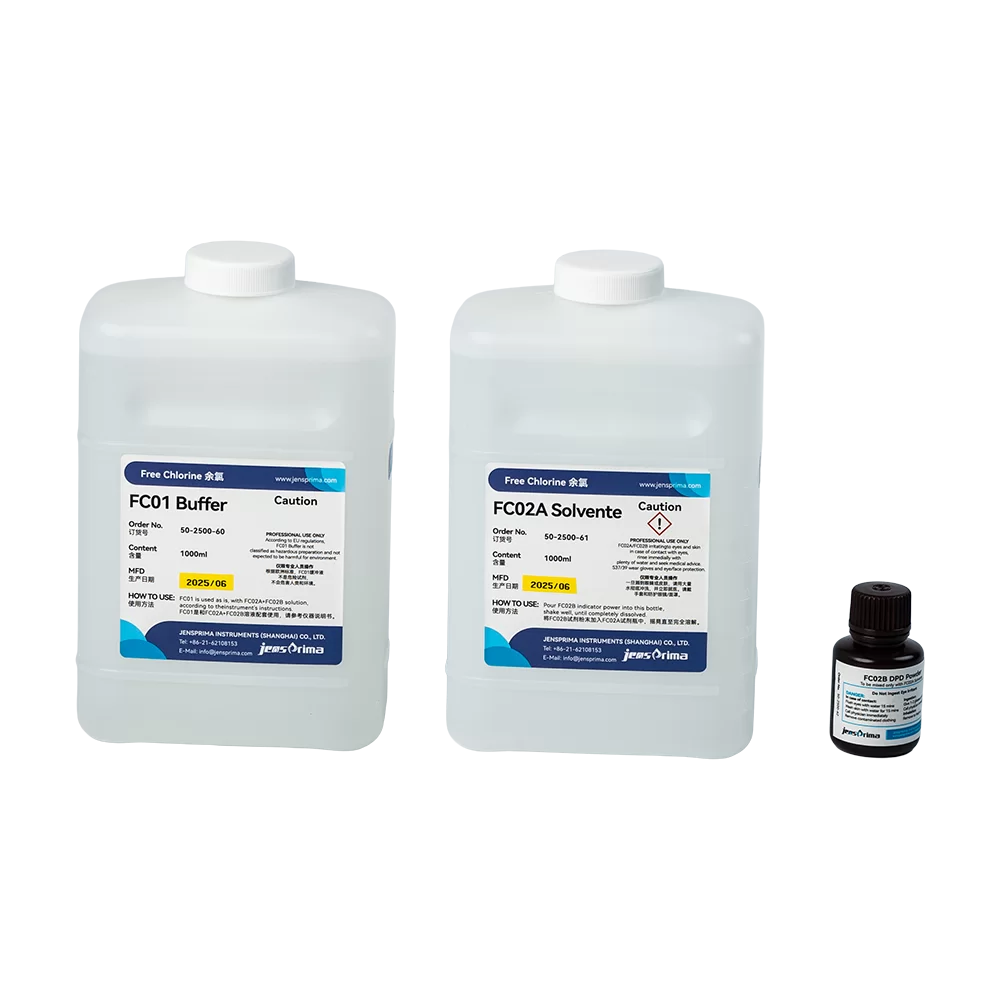
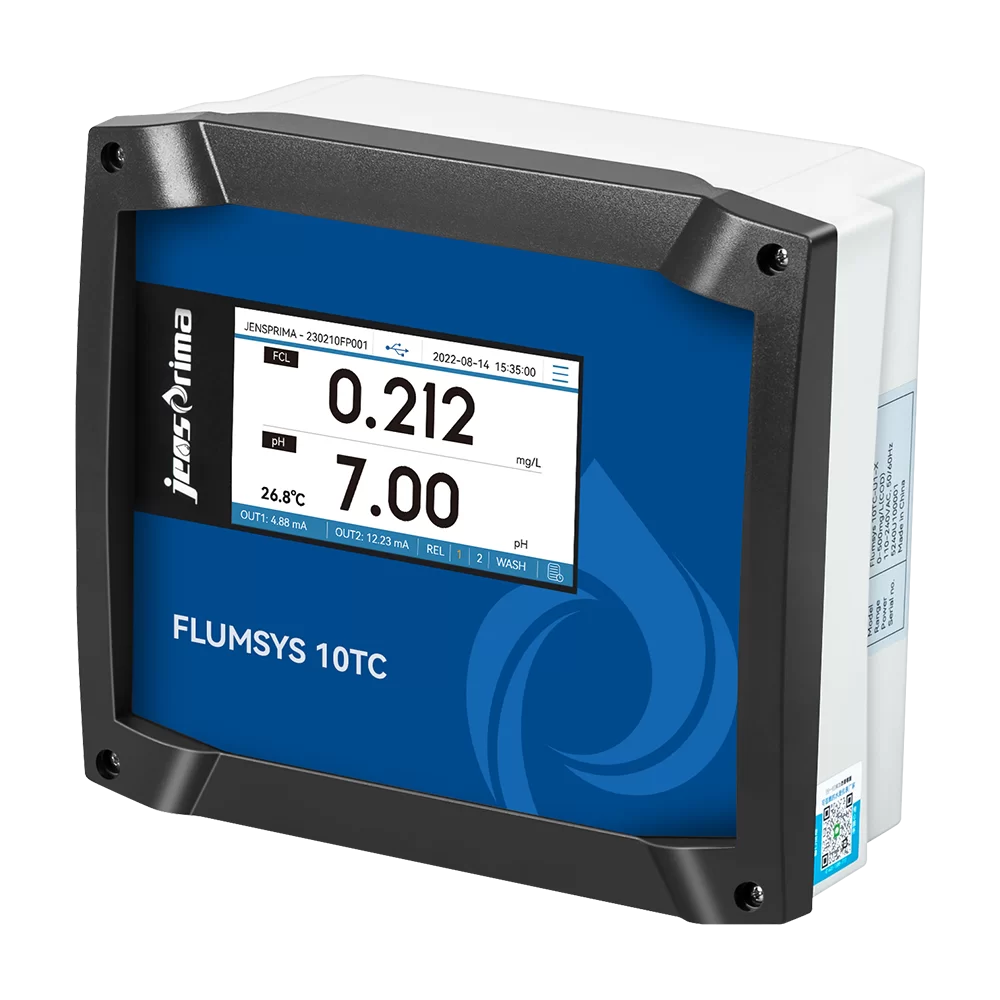
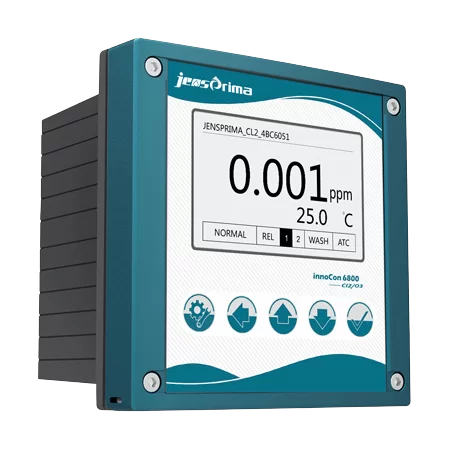
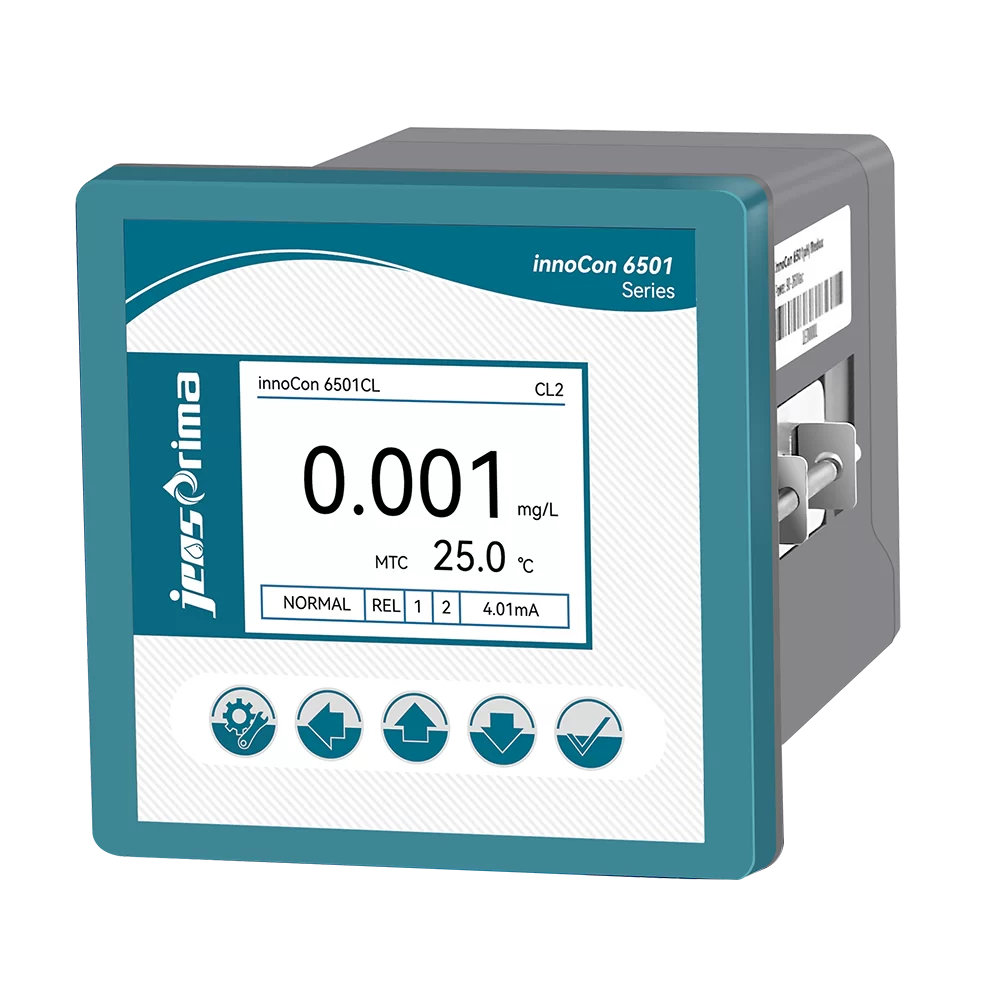
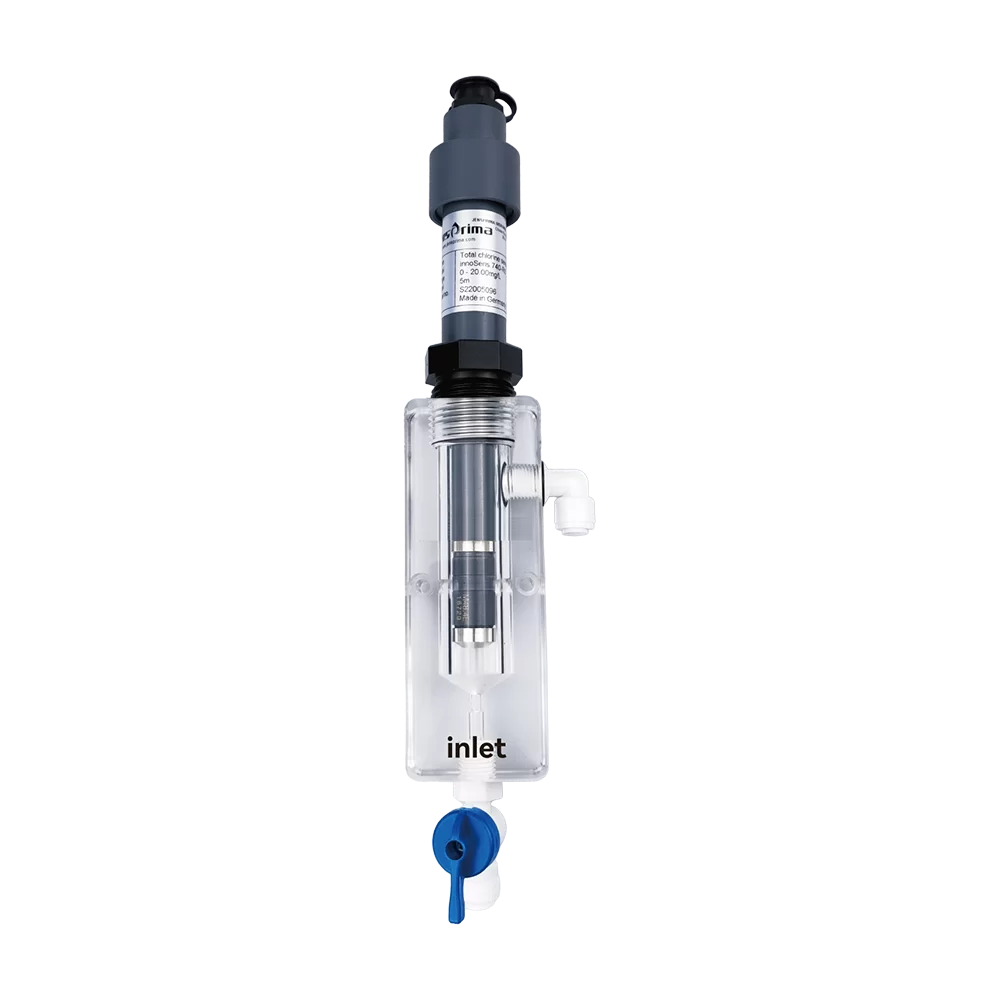
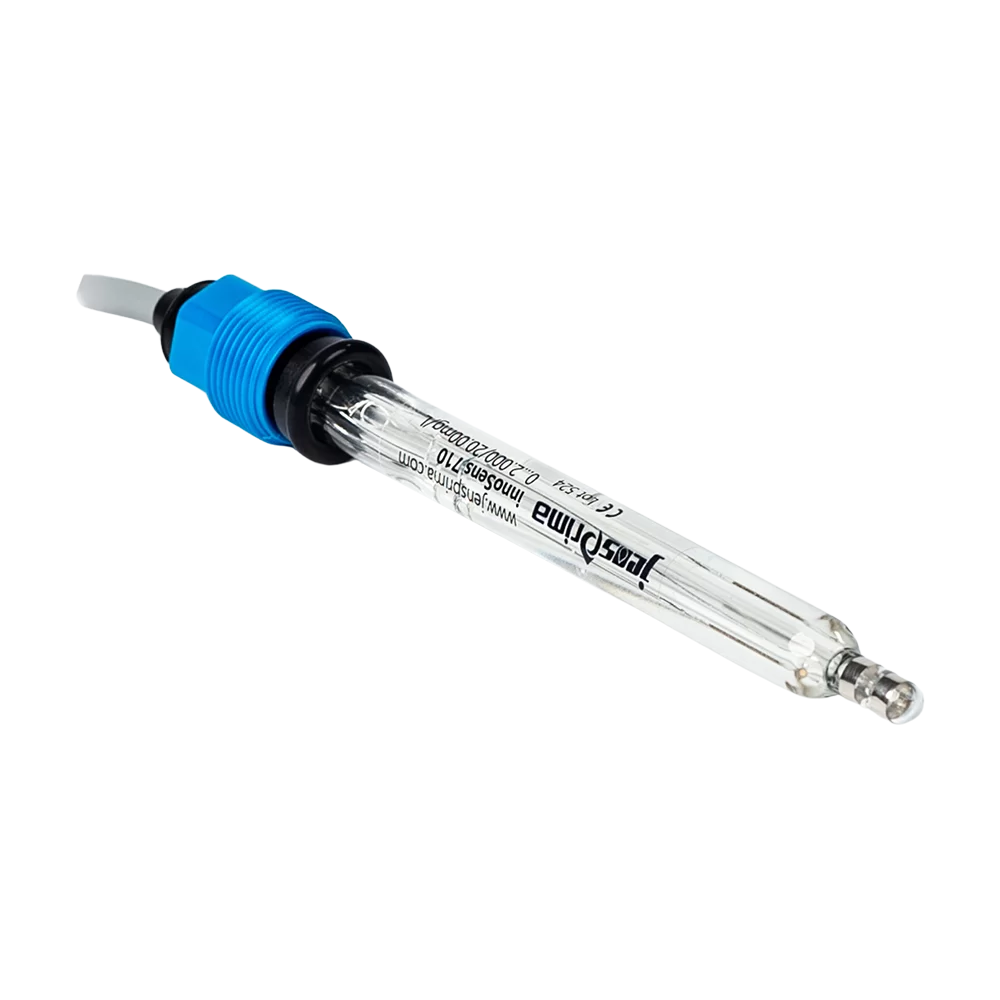
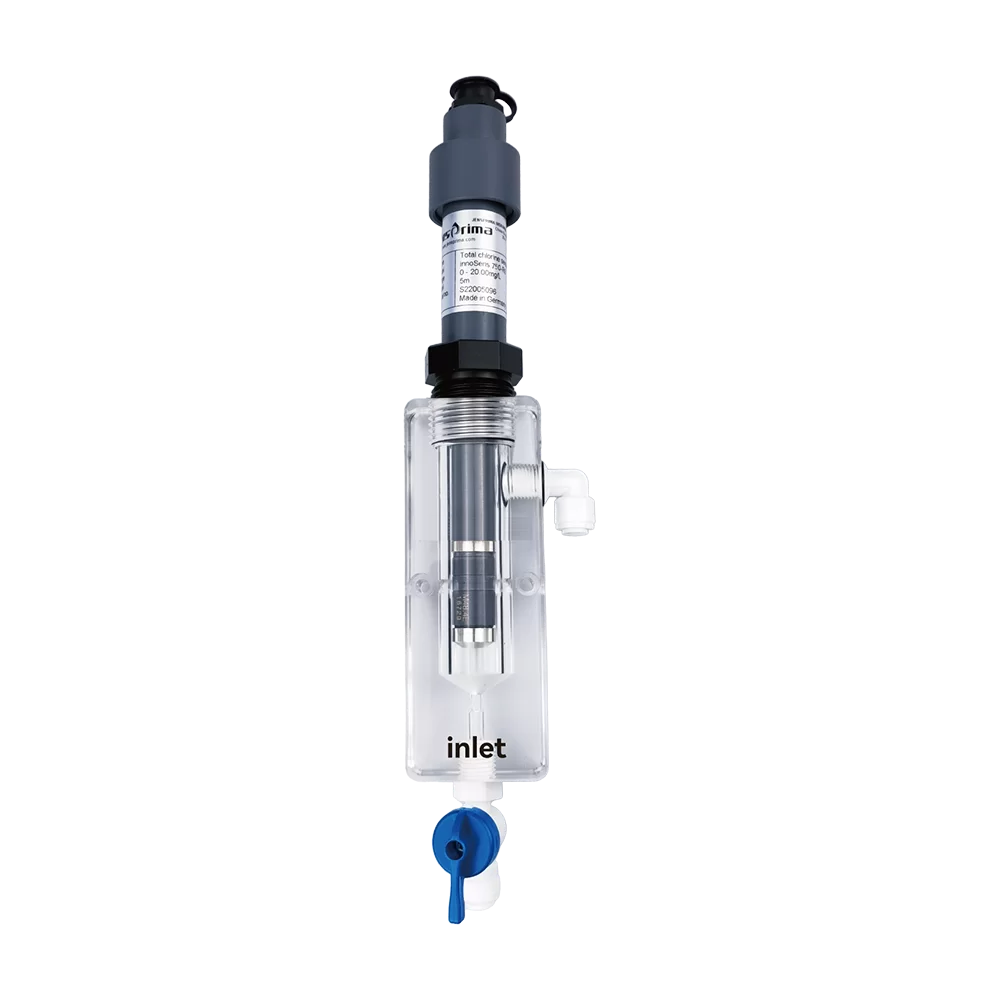
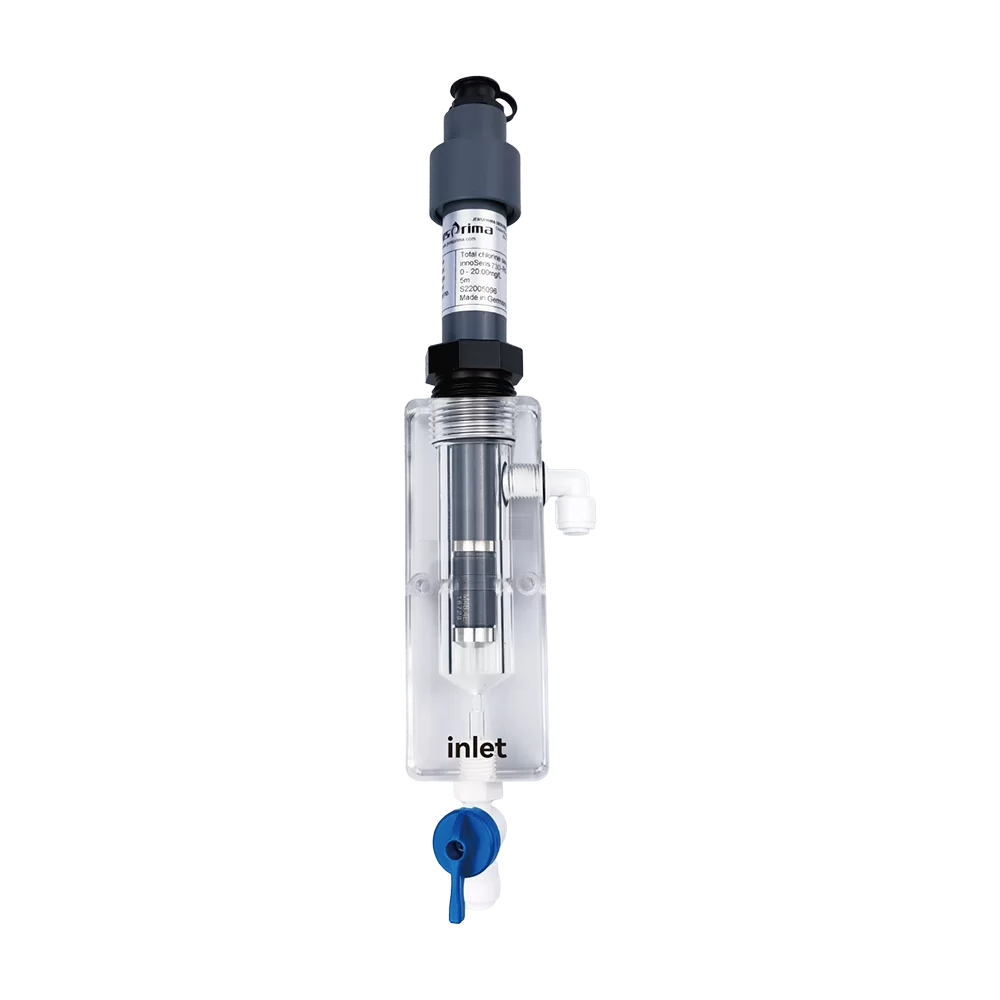
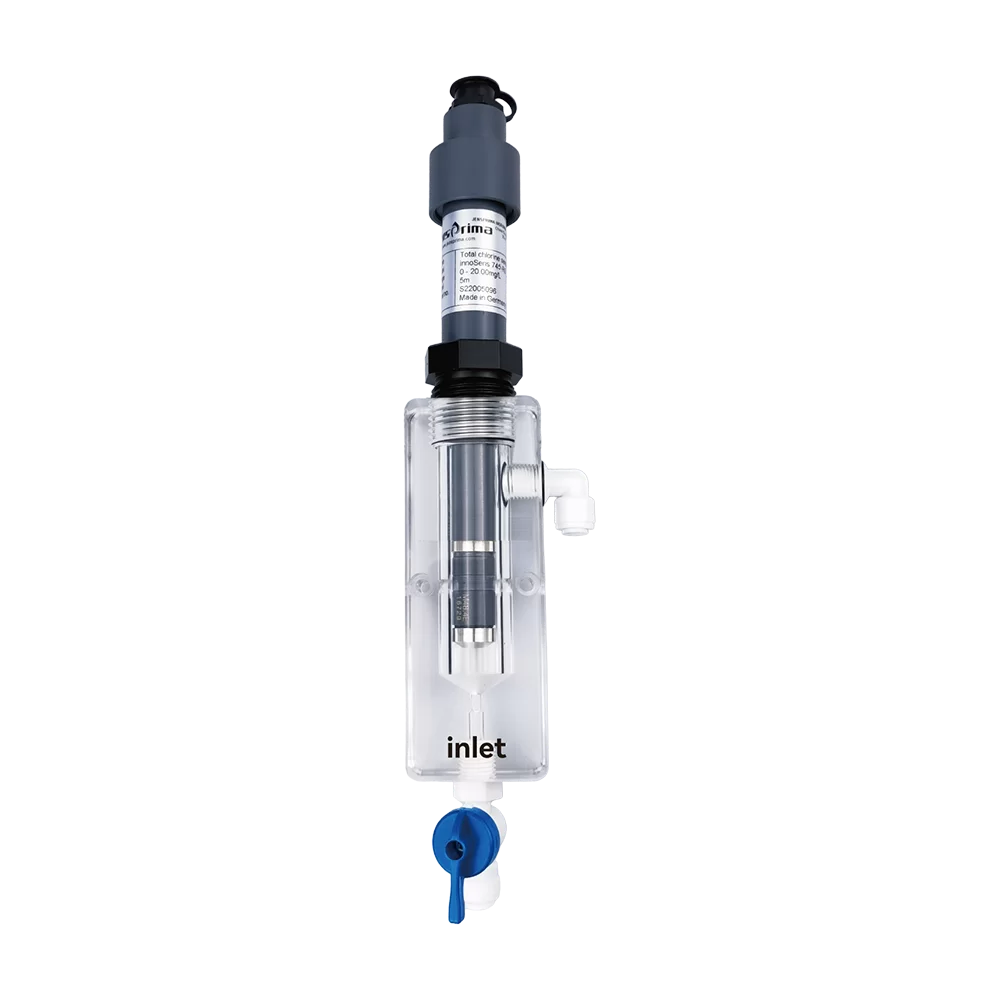
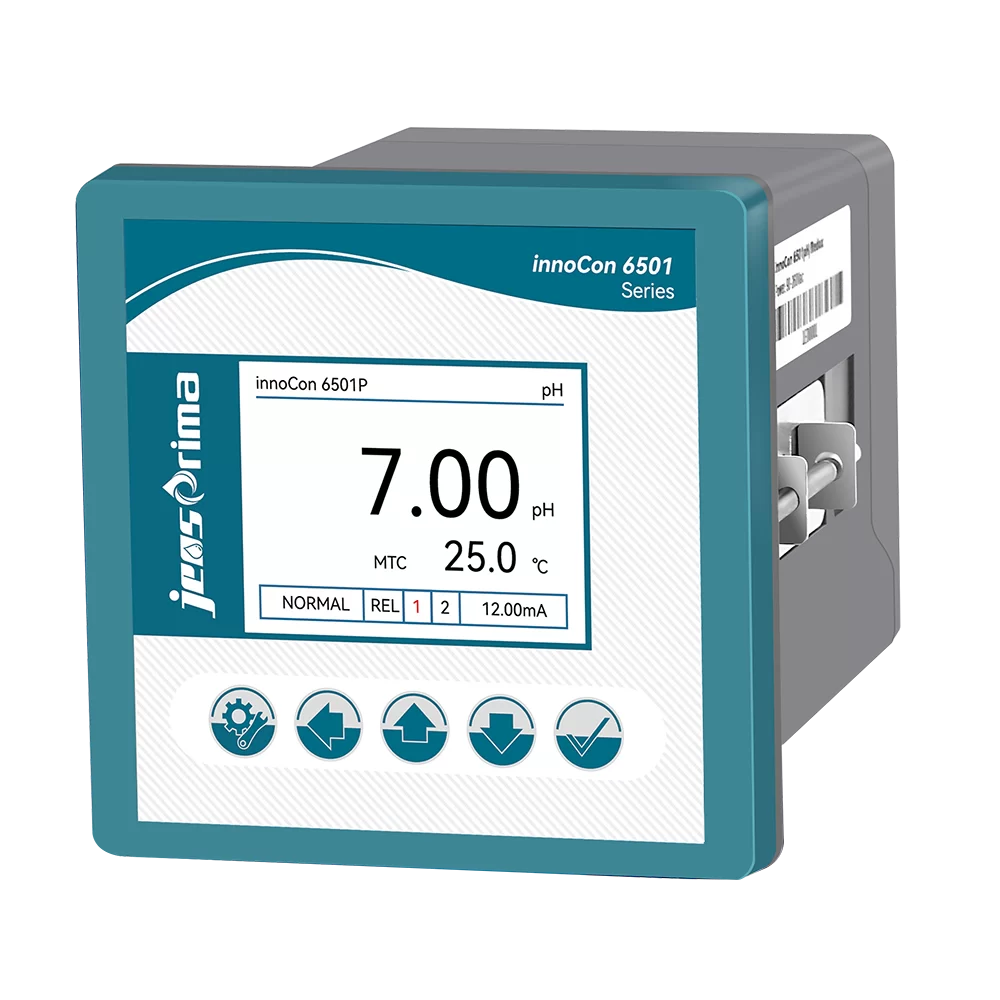
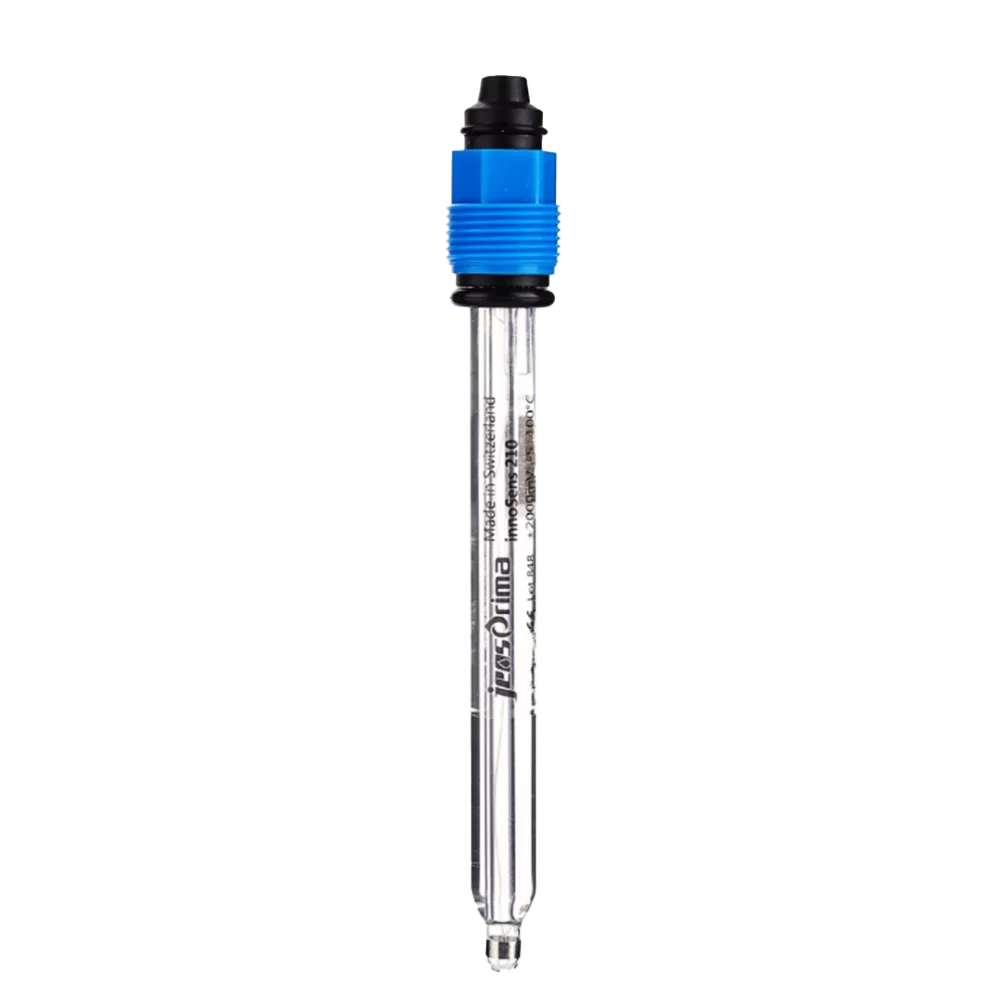
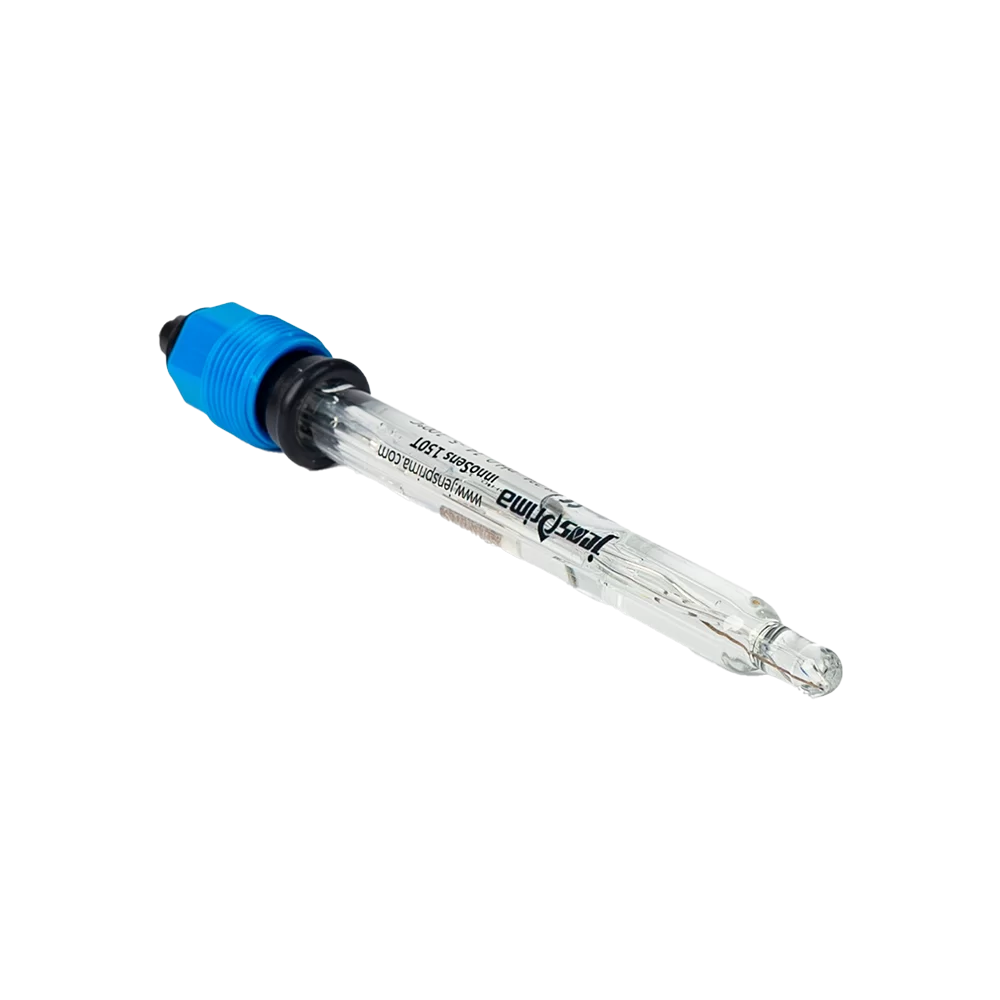
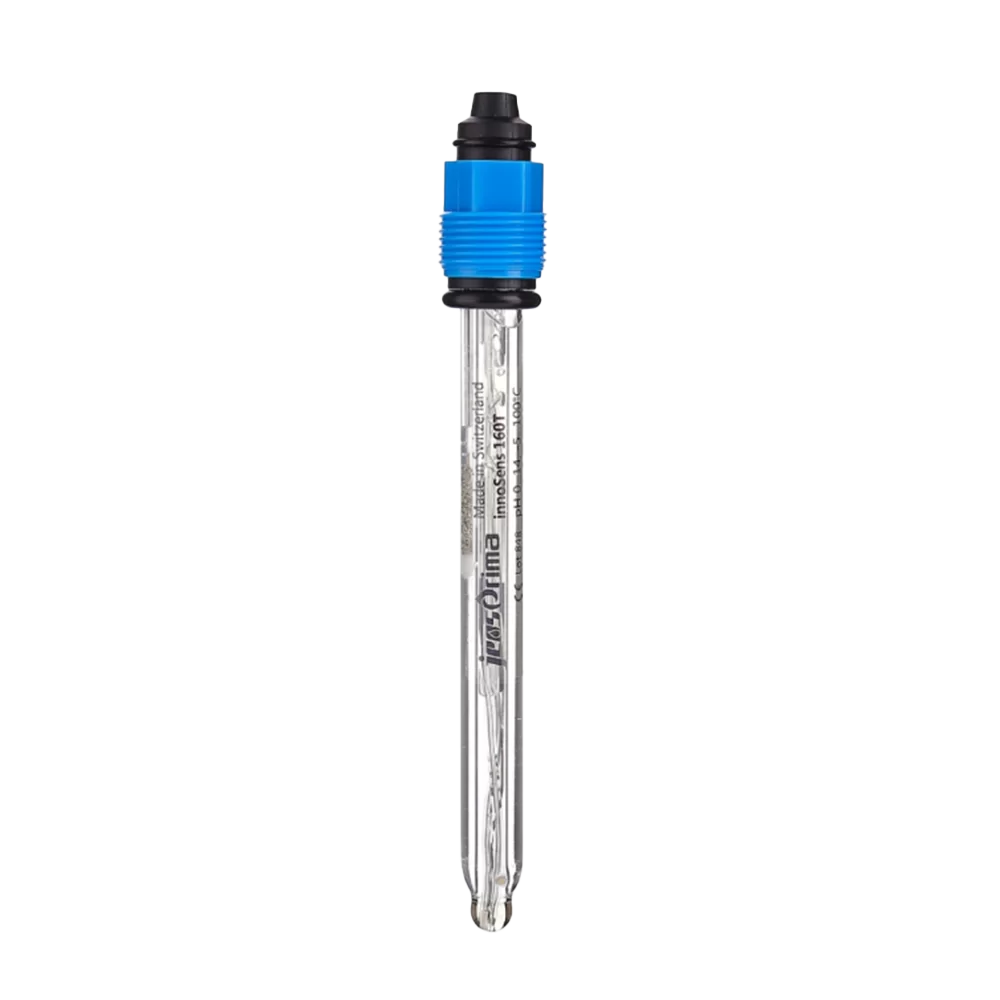
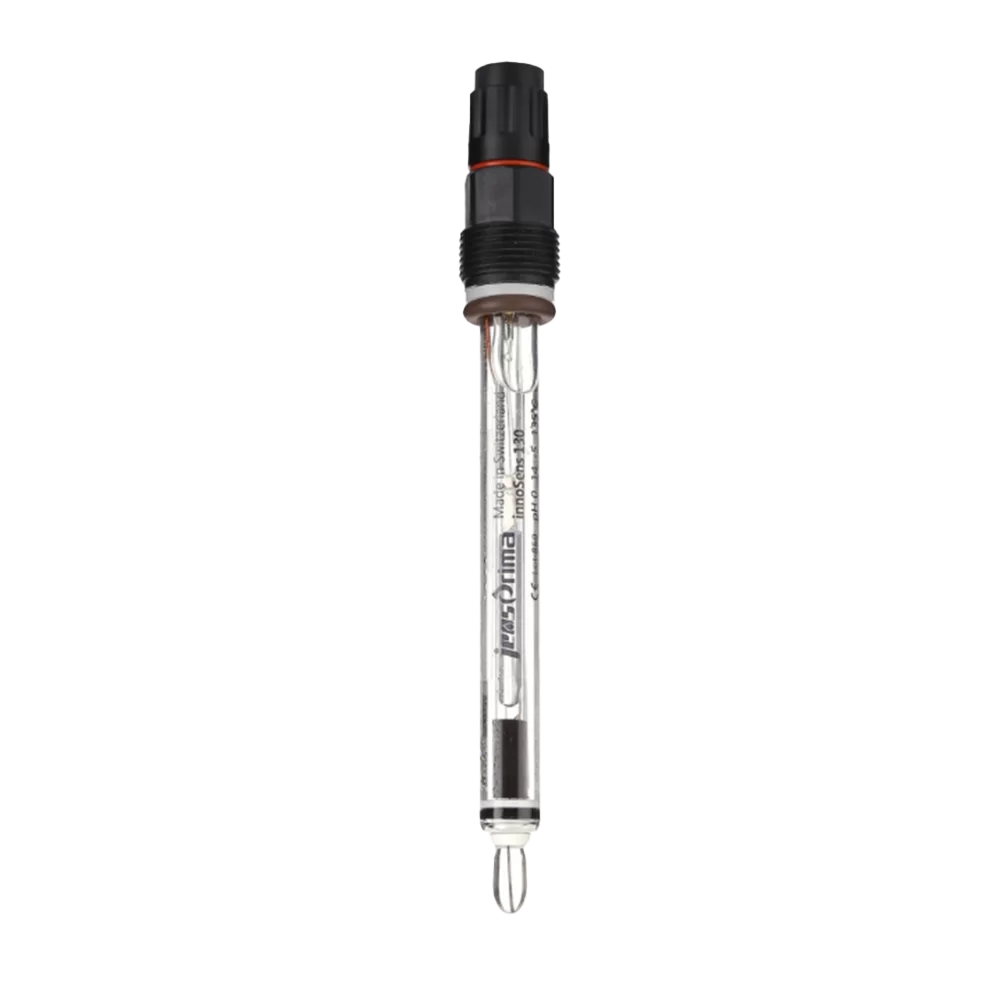
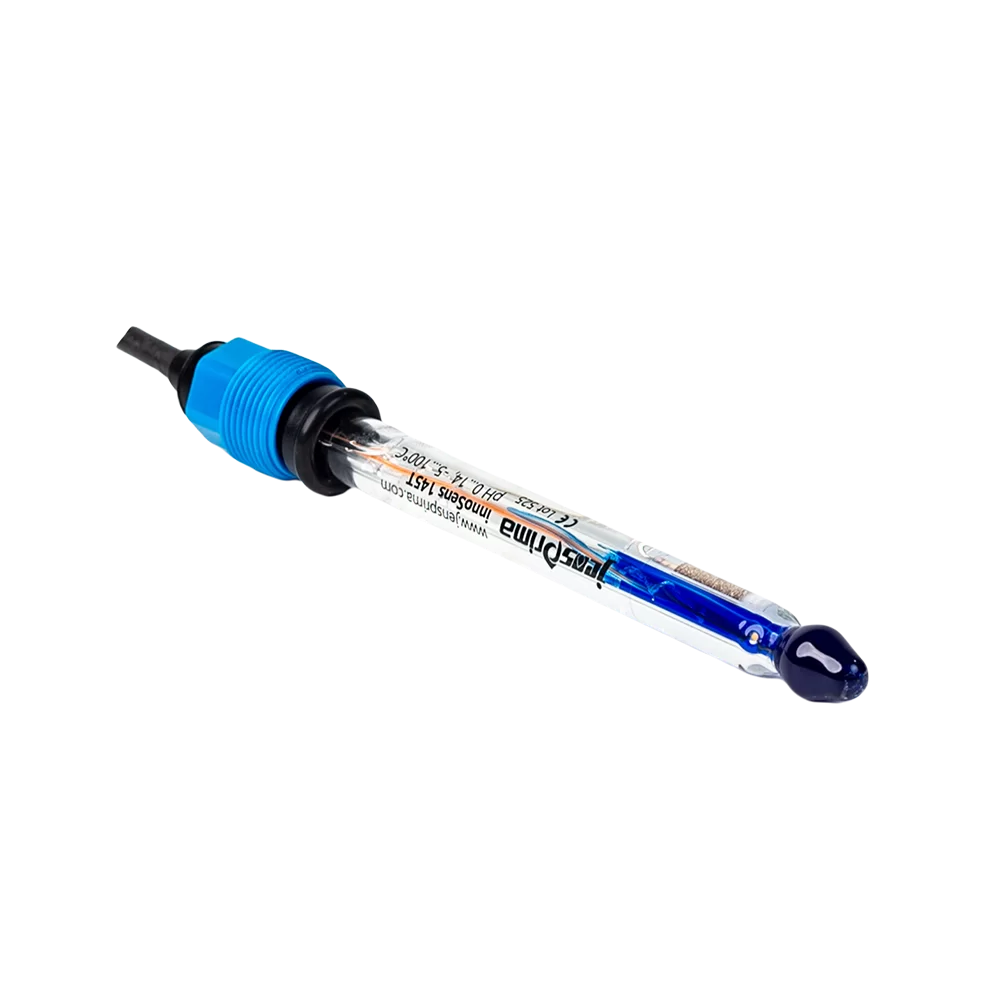
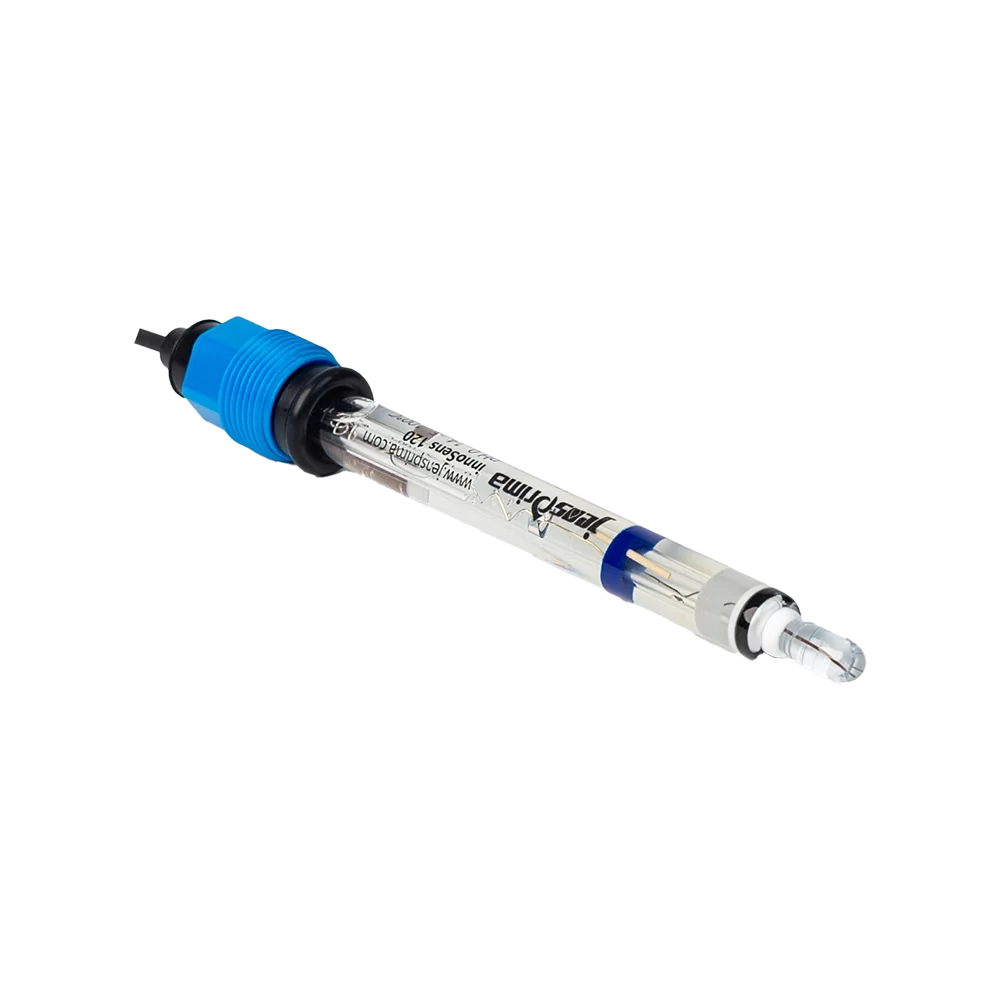
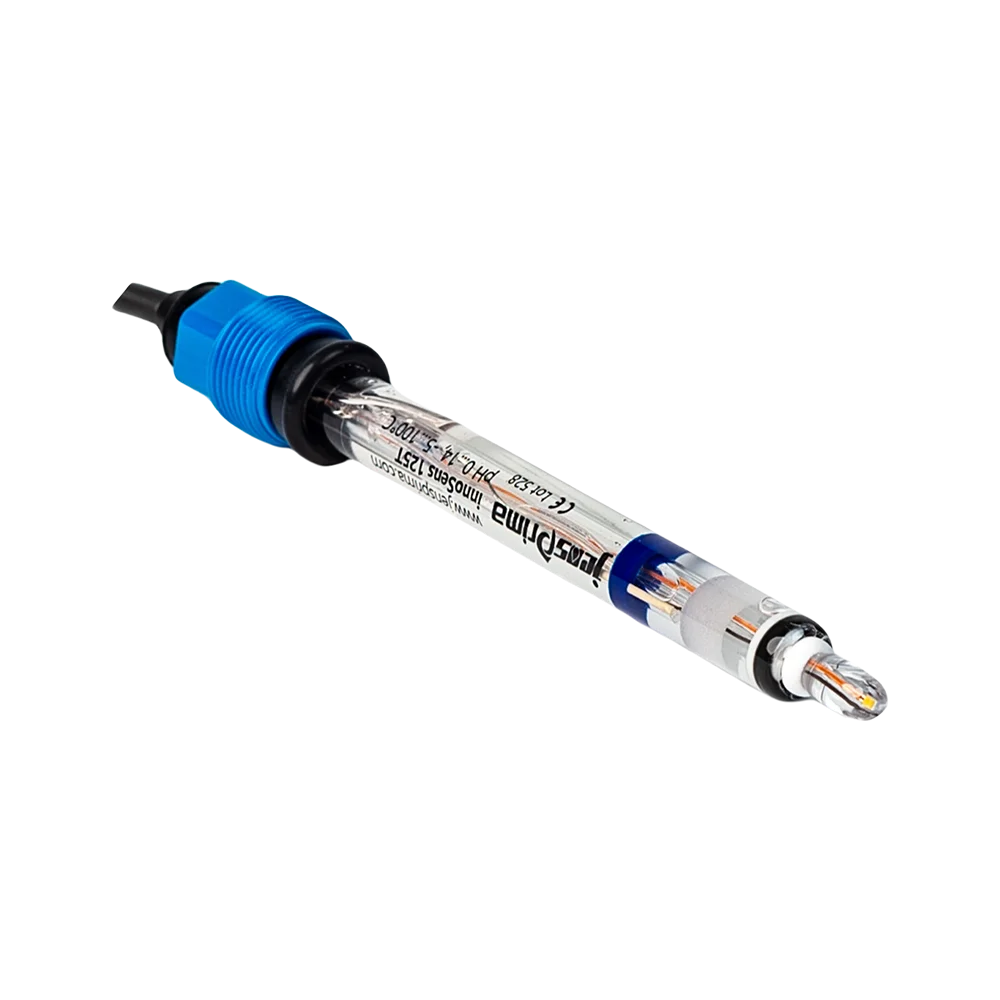
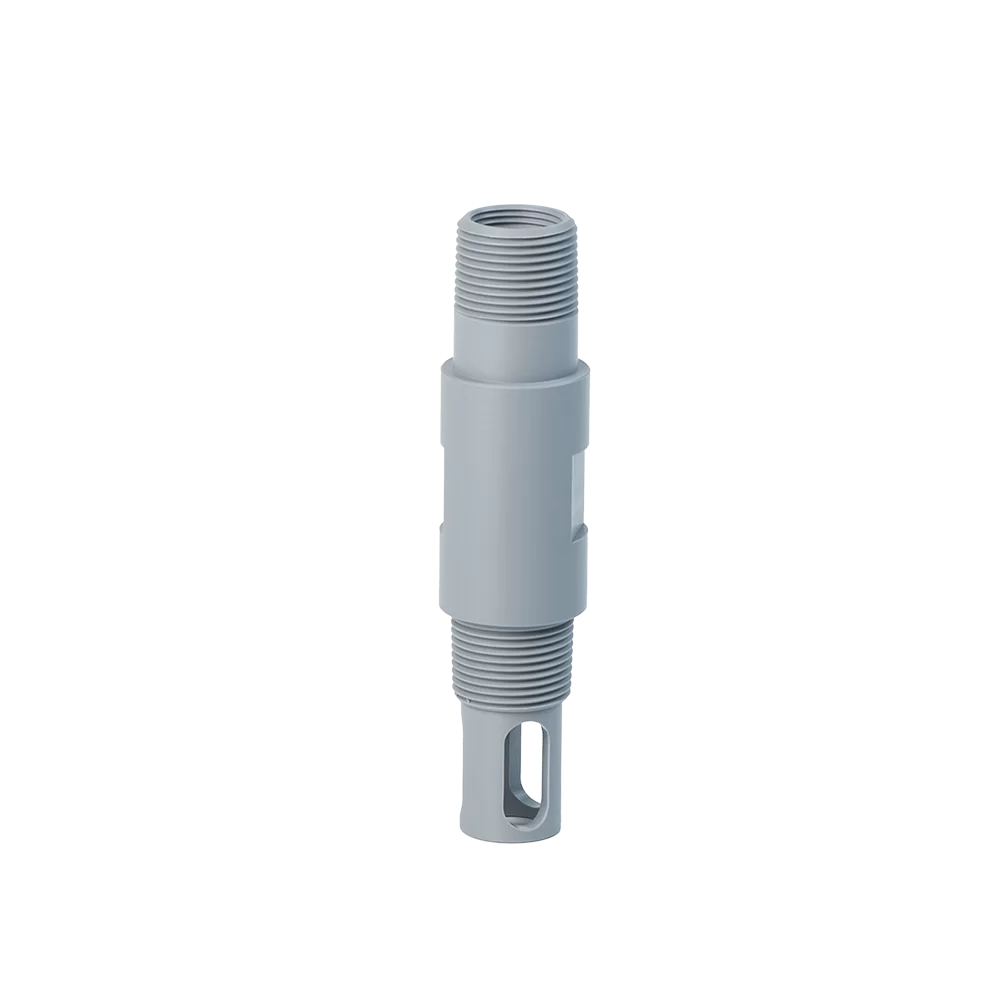
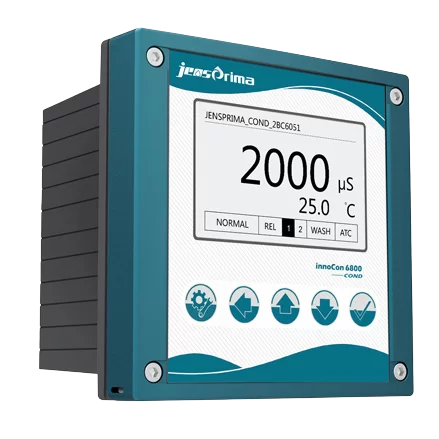
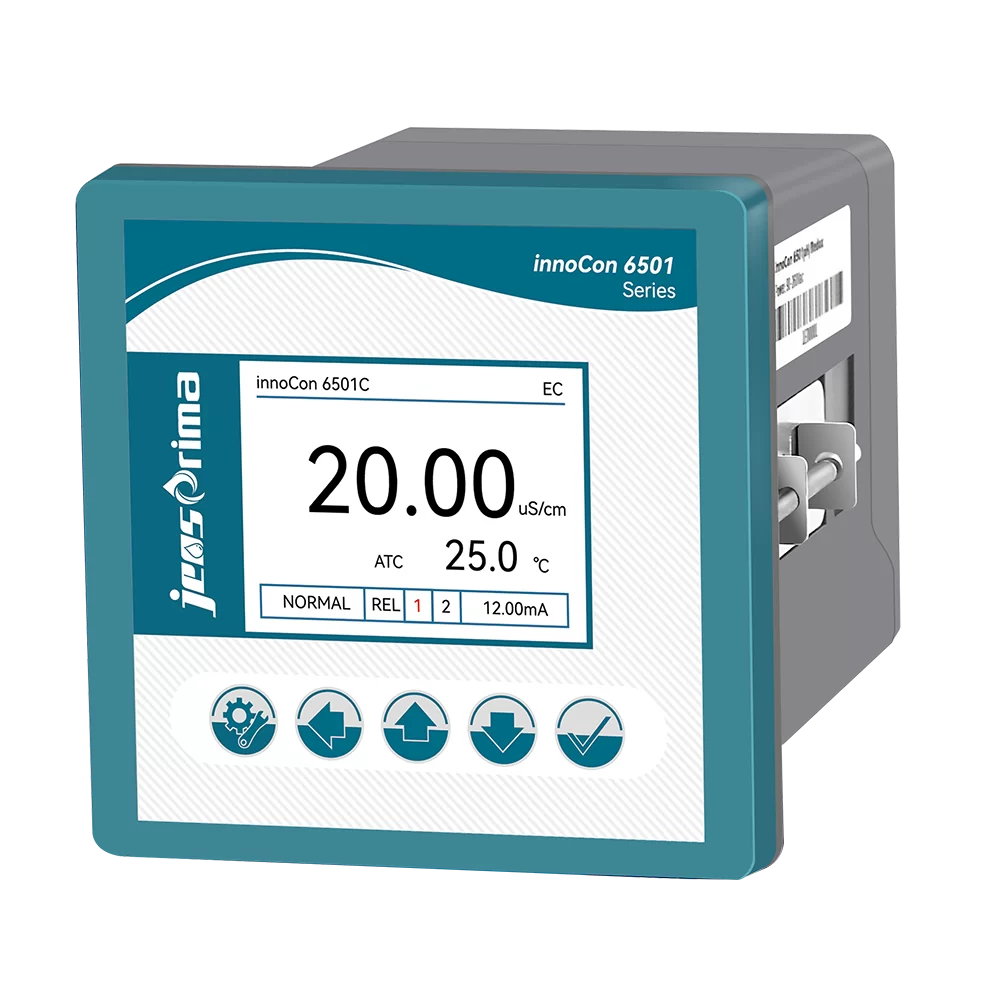
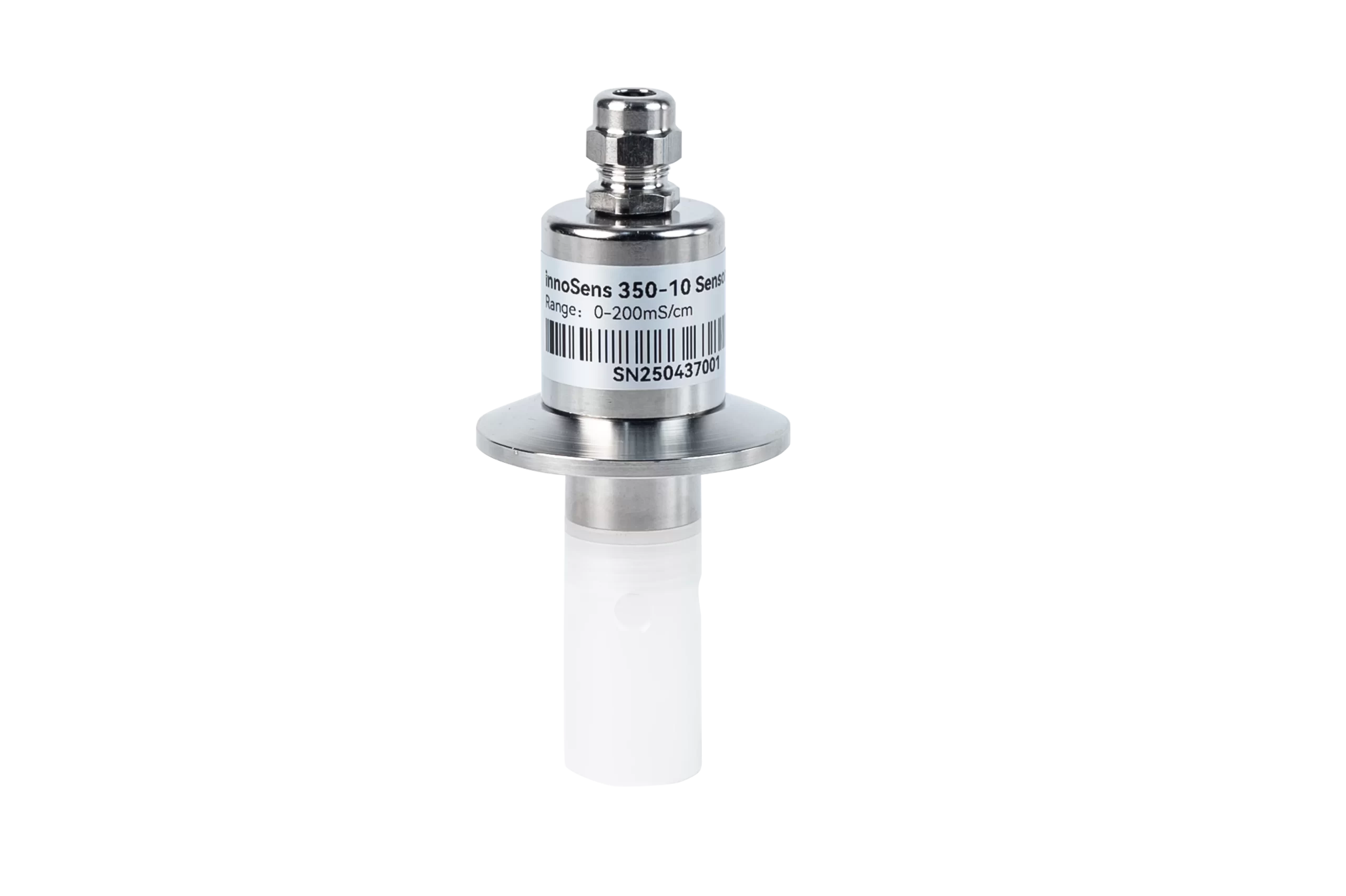
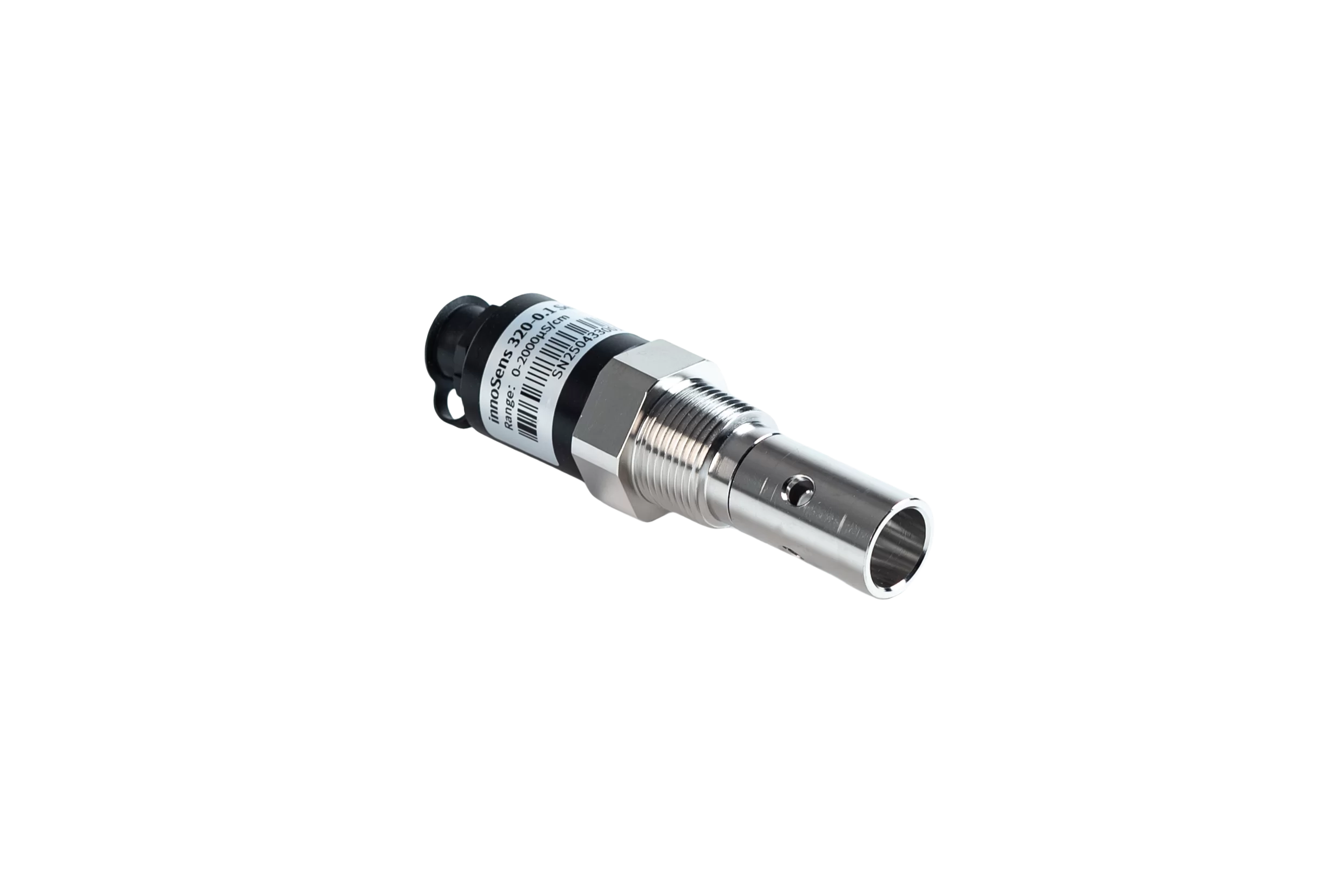
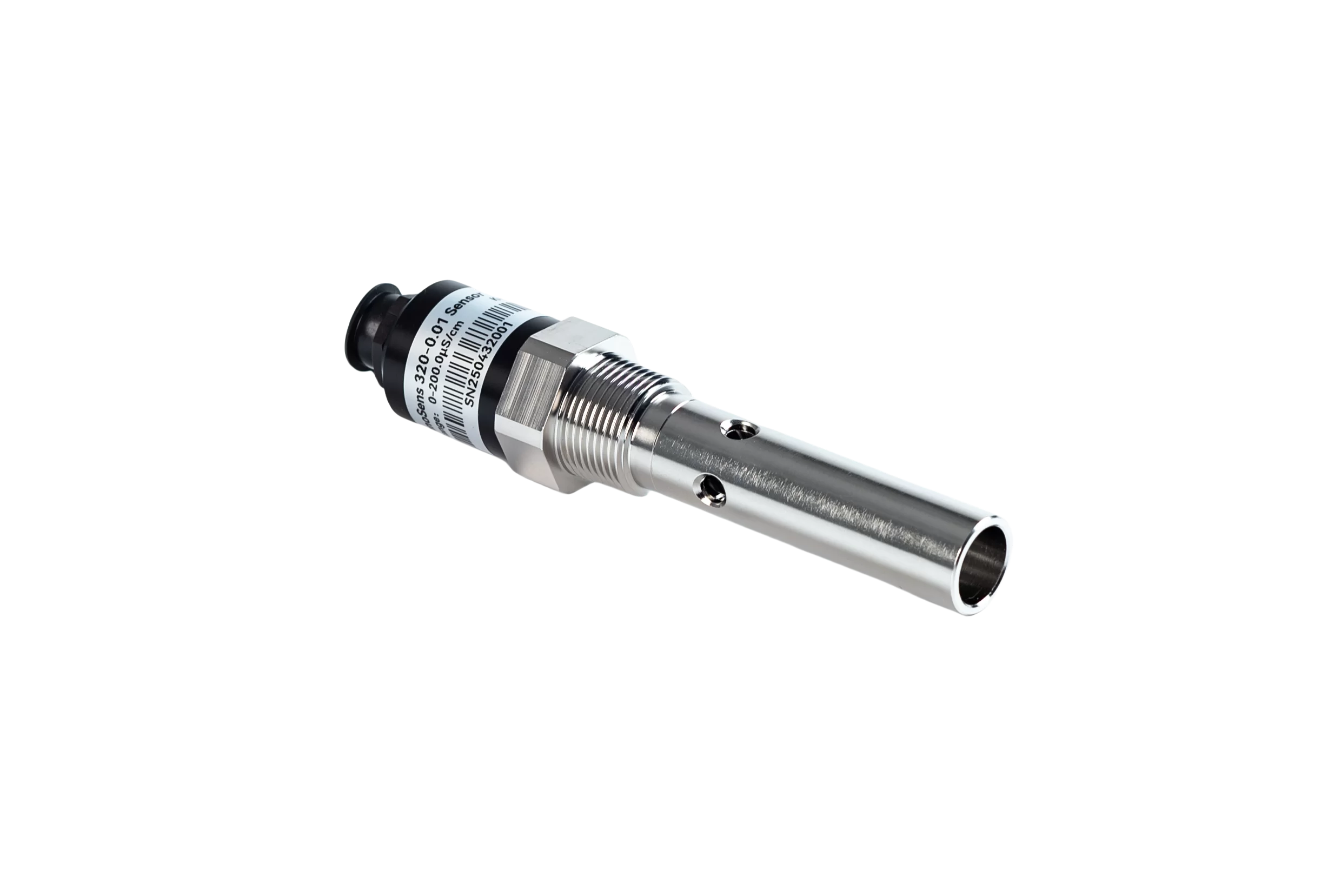
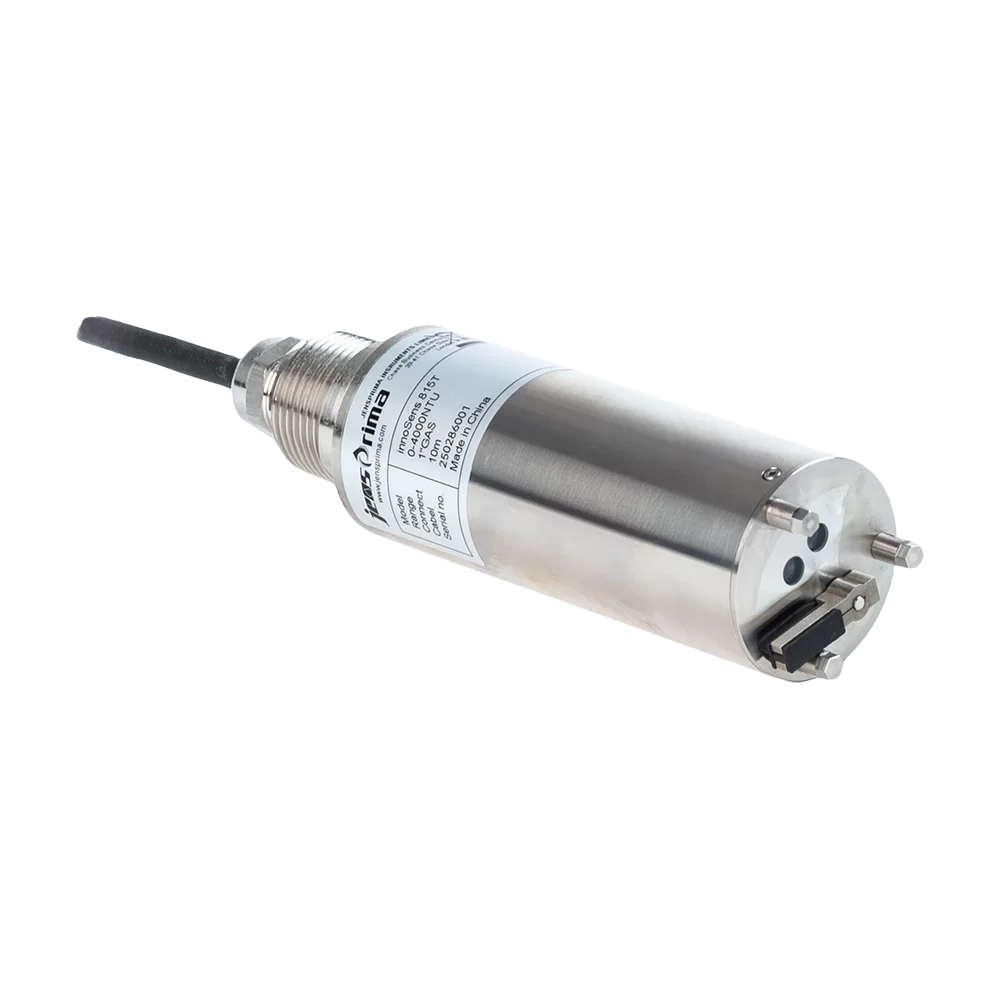
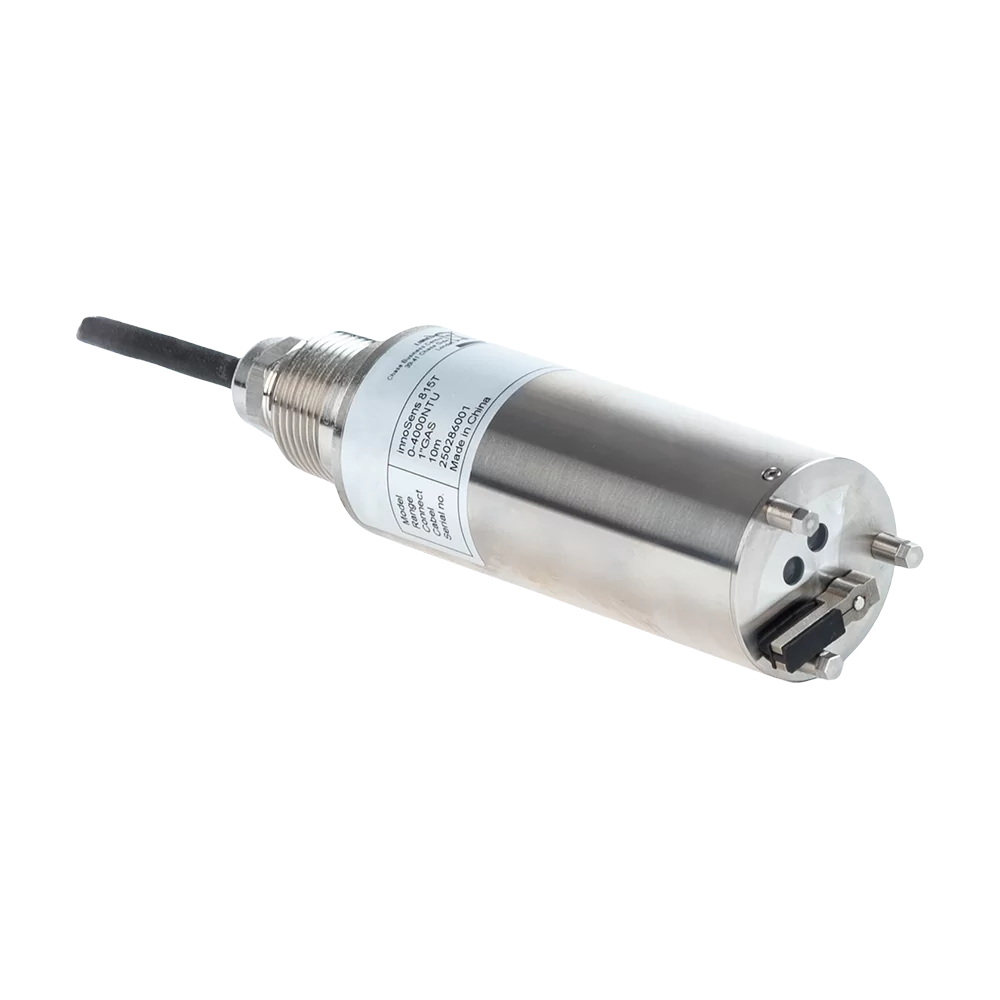
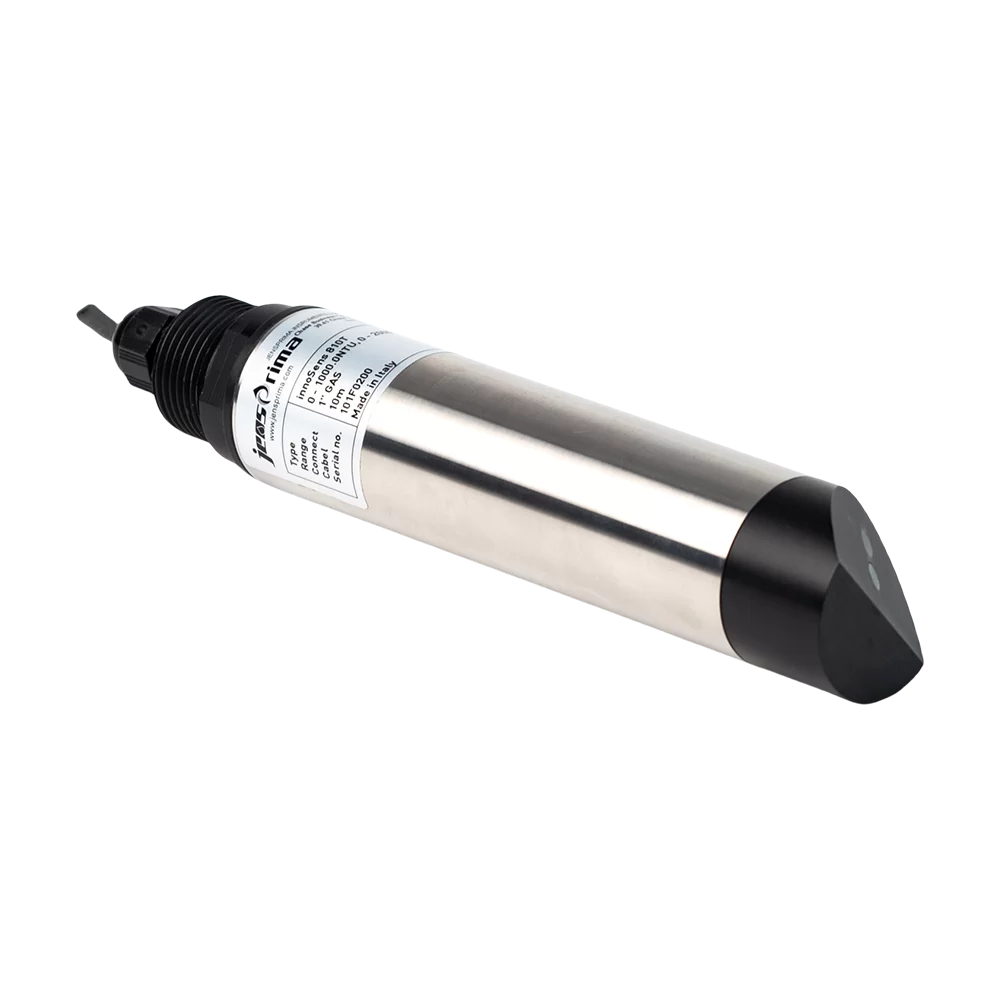
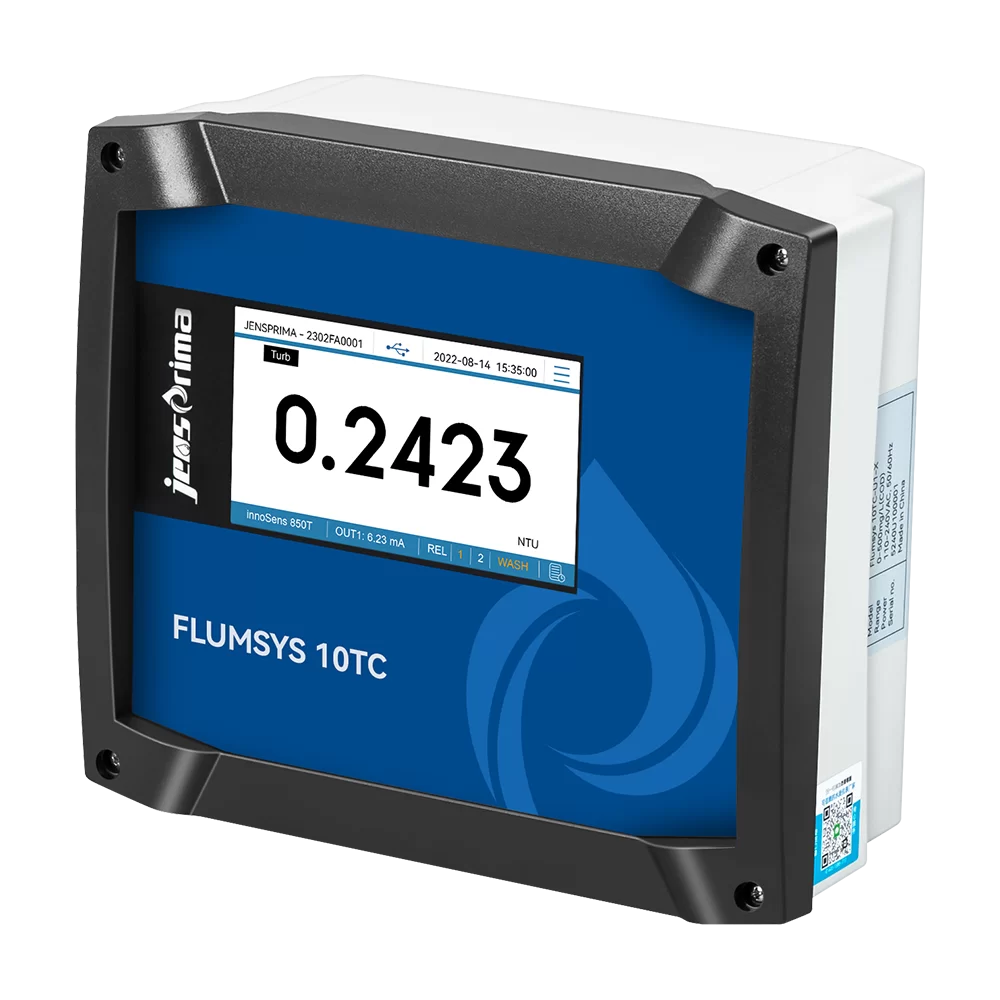
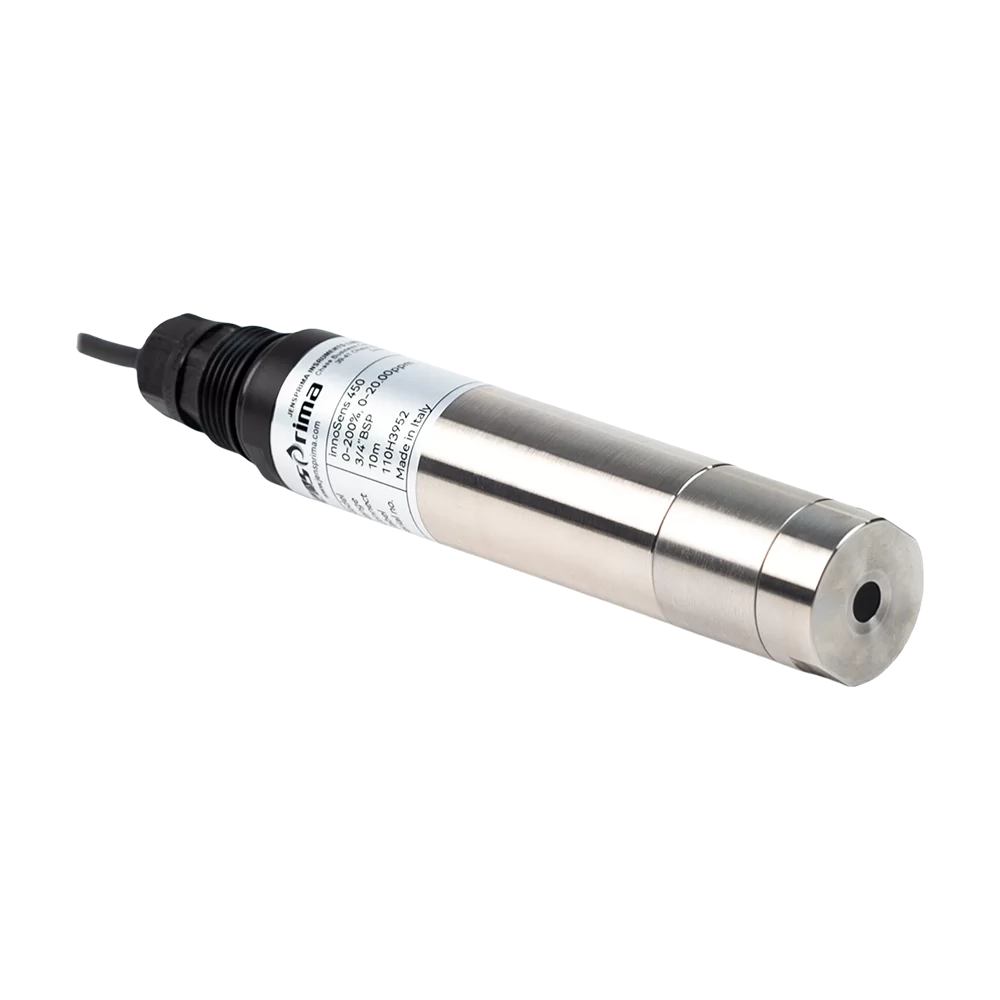
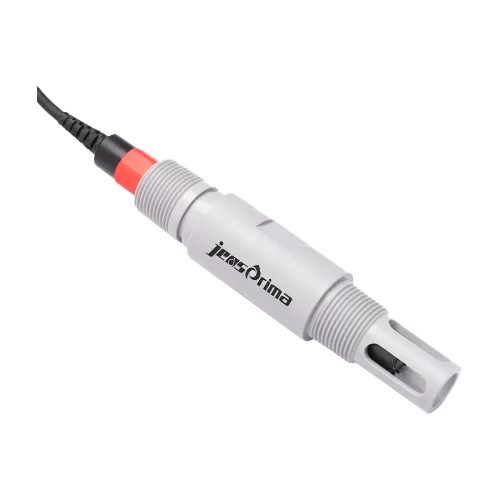
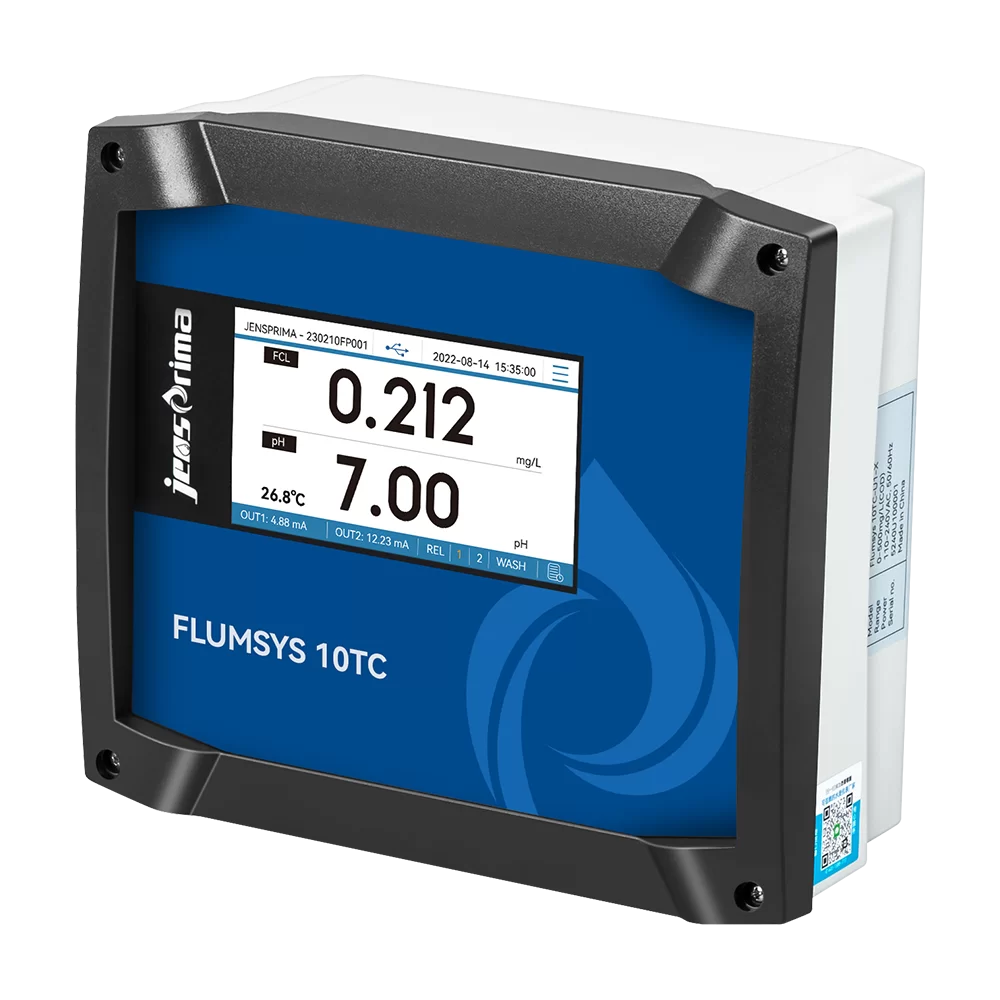
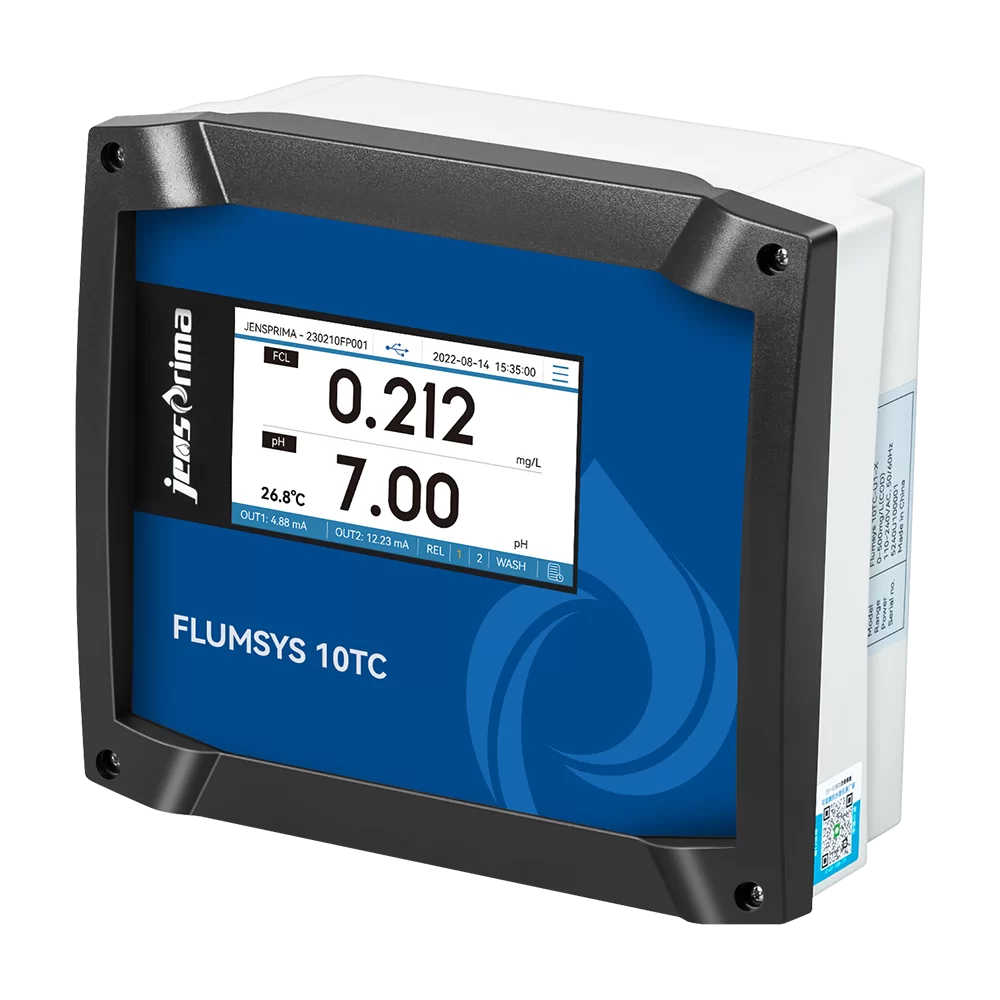
A good free chlorine sensor 4 20ma isn’t just a single component. It’s a system. You've got the sensor itself – usually an amperometric or colorimetric type. Then there’s the transmitter, which converts the sensor’s signal into the 4-20mA output. And finally, you need a robust housing and cabling that can withstand the elements and prevent corrosion. The quality of all these components matters.
Durability is huge. I’ve seen sensors fail within weeks because they couldn’t handle the vibration from a nearby pump or the corrosive effects of salt spray. Accuracy is also critical, but it's useless if the sensor is constantly going down for maintenance. Response time is important, too. You need a sensor that can quickly detect changes in chlorine levels, especially in dynamic systems. Finally, look at the ease of calibration – a complicated calibration process means more downtime and more headaches.
The materials of construction play a big role. Sensors made with stainless steel and durable polymers will last much longer than those made with cheaper materials. Proper sensor guarding is also key to preventing interference from other substances in the water. And don’t underestimate the importance of regular maintenance – even the most robust sensor needs to be cleaned and calibrated periodically.
Practical Applications in Construction and Industry
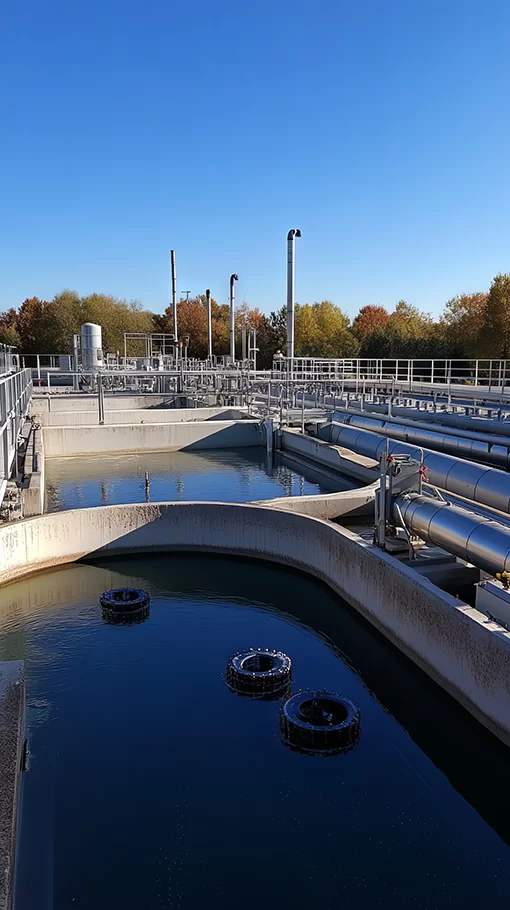
We use these sensors in a ton of different applications. In concrete production, precise chlorine levels in the mixing water are crucial for controlling set times and ensuring proper hydration. In cooling towers, they’re essential for preventing the growth of Legionella bacteria. Wastewater treatment plants rely on them to monitor disinfection effectiveness. I’ve even seen them used in food processing facilities to ensure water safety.
In remote industrial zones, where lab access is limited, these sensors provide critical real-time data. I once oversaw a project in the desert where we needed to monitor the chlorine levels in the water used for dust suppression. Without a reliable free chlorine sensor 4 20ma, we would have been flying samples back and forth to a lab, costing time and money. And in post-disaster relief operations, ensuring access to safe drinking water is paramount, and these sensors can quickly assess water quality in emergency situations.
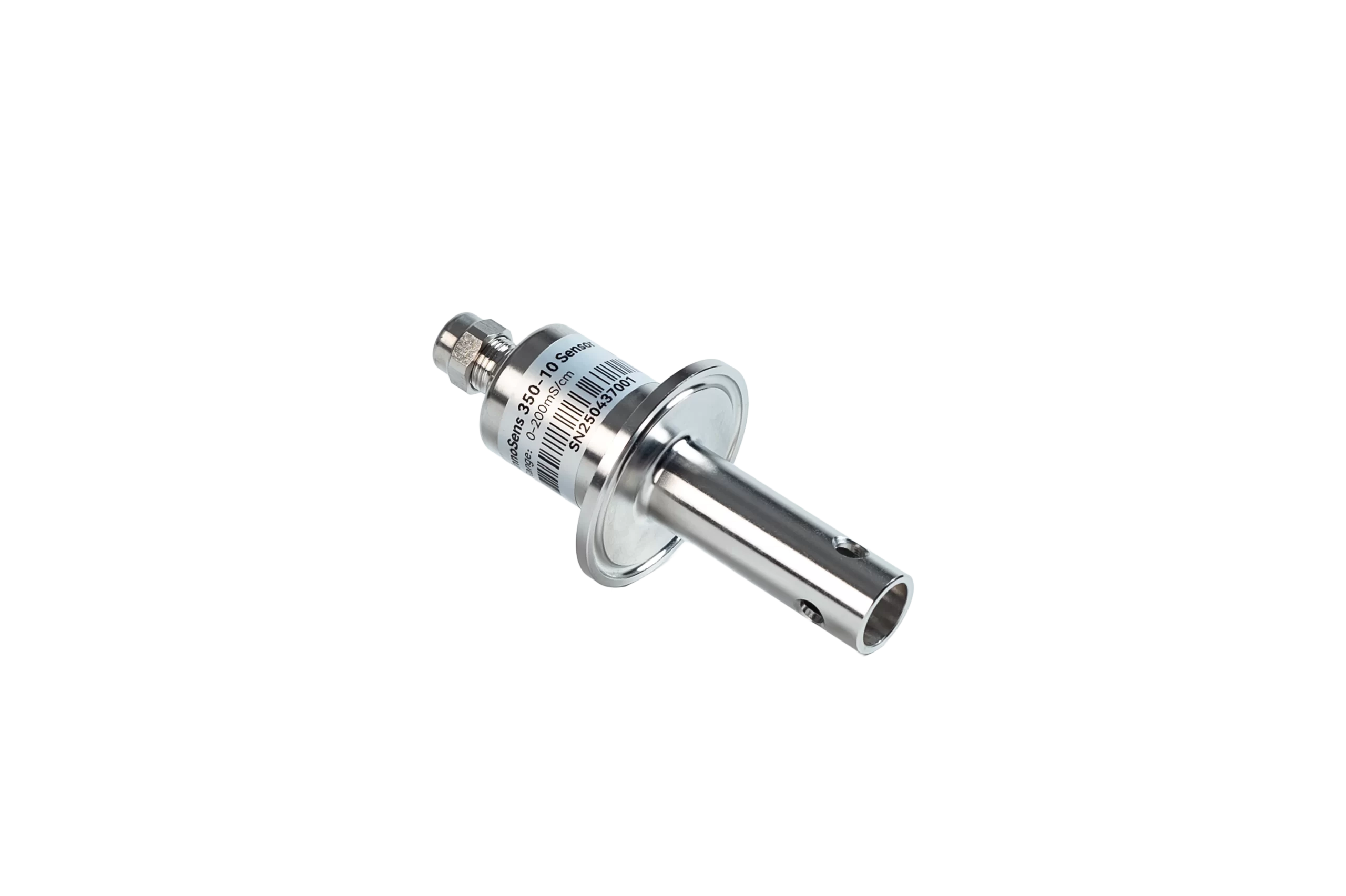
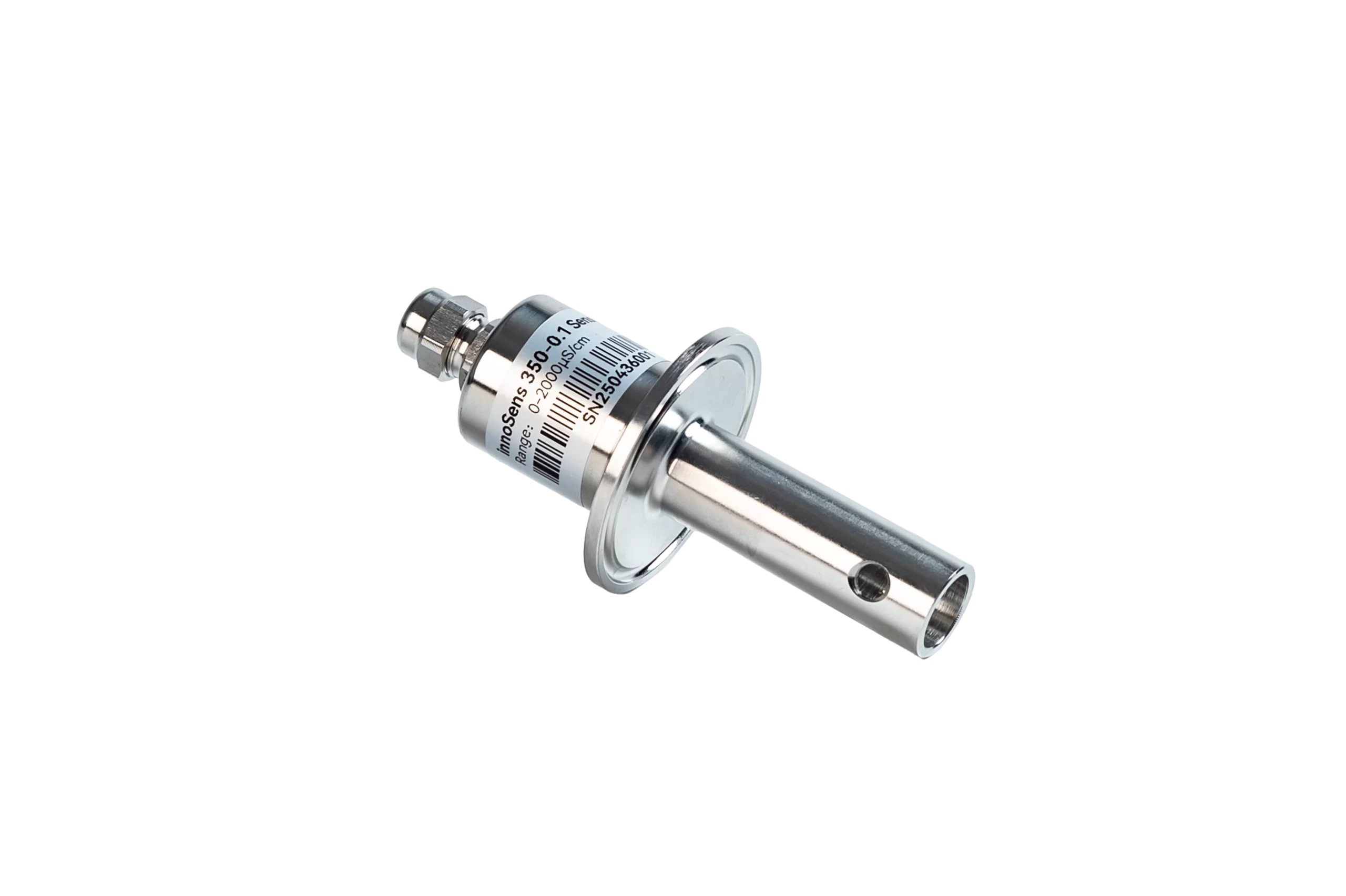
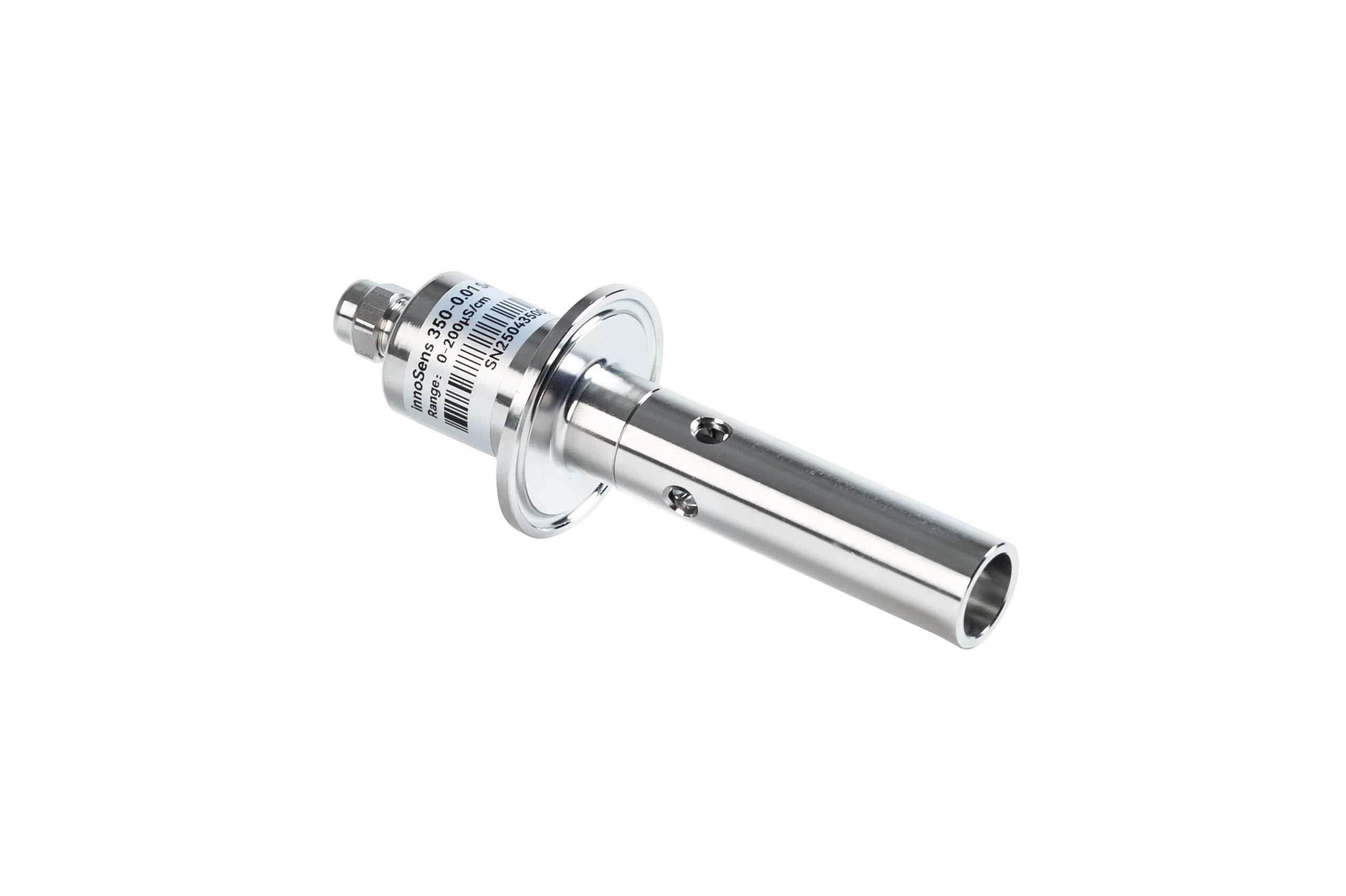
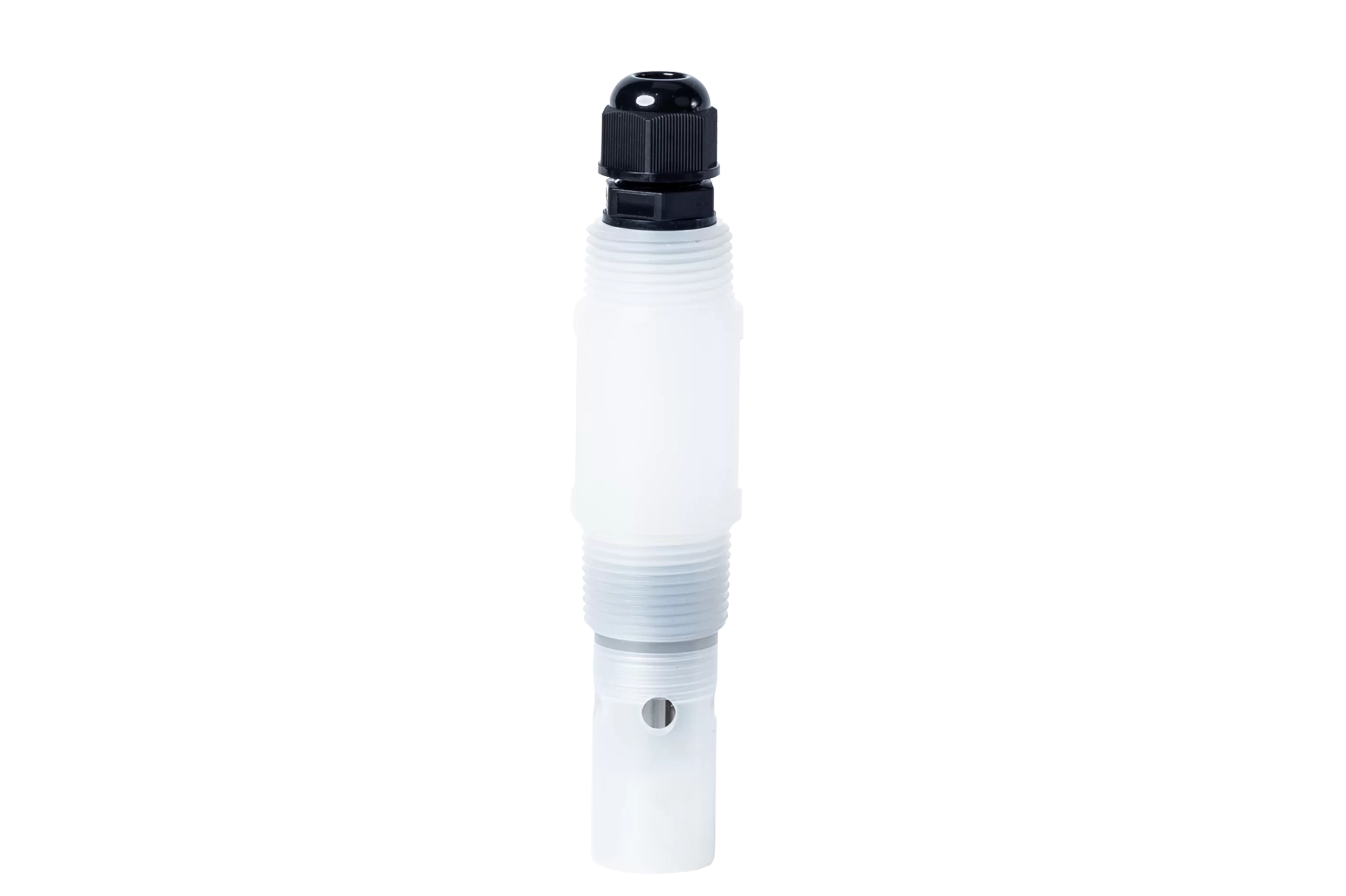
Free Chlorine Sensor 4 20ma Application Performance
Benefits and Long-Term Value Proposition
The upfront cost of a good free chlorine sensor 4 20ma system is an investment, not an expense. It pays for itself through reduced downtime, fewer water quality issues, and lower maintenance costs. And honestly, the peace of mind knowing your water is safe is worth a lot. Avoiding fines from regulatory agencies is a bonus.
From a sustainability standpoint, these sensors allow for more efficient use of chemicals, reducing waste and minimizing environmental impact. And from a safety perspective, they protect workers from exposure to harmful bacteria and viruses. It’s a win-win-win.
Emerging Trends and Future Innovations
We’re starting to see sensors with built-in diagnostics and predictive maintenance capabilities. These sensors can alert you to potential problems before they cause a failure, allowing you to schedule maintenance proactively. And the integration of IoT (Internet of Things) technology is enabling remote monitoring and control of water quality parameters.
Wireless sensors and cloud-based data analytics are also becoming increasingly common, allowing for real-time data sharing and remote troubleshooting. I also anticipate we’ll see more sensors incorporating advanced materials and microfluidic technologies, leading to even greater accuracy, durability, and sensitivity.
Challenges and Solutions in Implementation
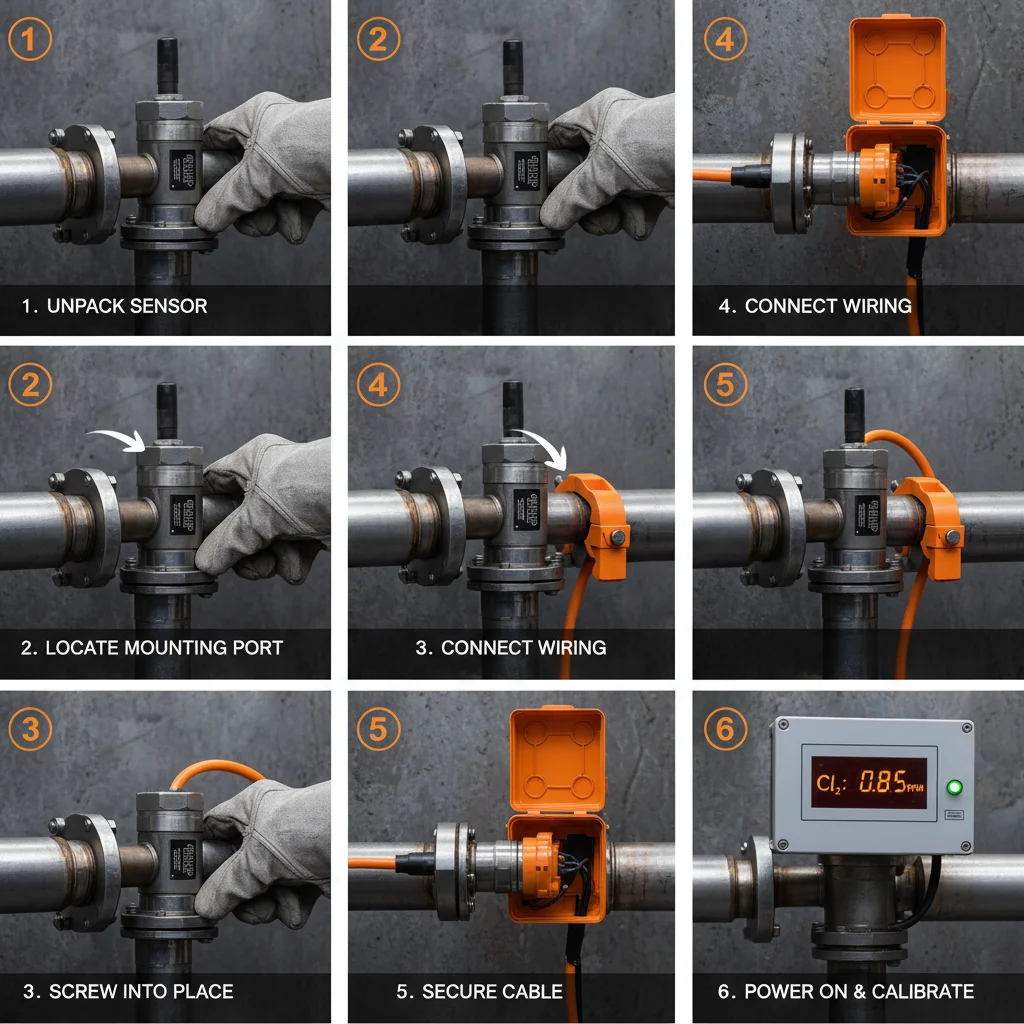
The biggest challenge is often proper installation and calibration. You need technicians who understand the underlying principles and know how to troubleshoot potential problems. Another challenge is fouling – the buildup of deposits on the sensor surface, which can affect accuracy. Regular cleaning and maintenance are essential.
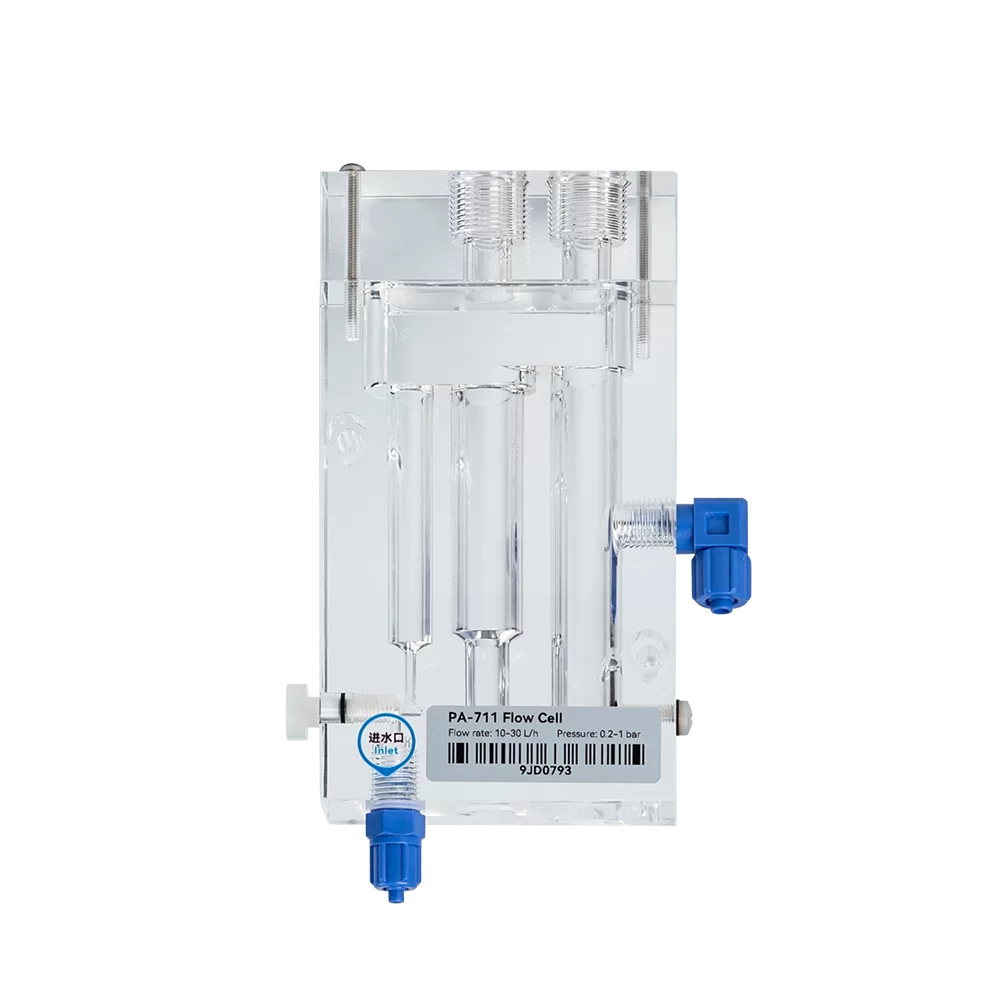
Choosing the right sensor for the specific application is also crucial. There’s no one-size-fits-all solution. You need to consider factors like water chemistry, temperature, pressure, and flow rate. And finally, data security is becoming an increasing concern, especially with the rise of IoT-enabled sensors. Robust security protocols are essential to protect sensitive data from unauthorized access.
The key is to partner with a reputable supplier who can provide training, support, and ongoing maintenance services. It's not just about buying a sensor; it's about building a long-term relationship with a trusted partner.
Summary of Free Chlorine Sensor 4 20ma Implementation Factors
| Implementation Factor |
Impact Level (1-5) |
Mitigation Strategy |
Cost of Mitigation |
| Sensor Calibration |
4 |
Regular calibration schedule and trained personnel. |
$500 - $1,500 / year |
| Sensor Fouling |
3 |
Automated cleaning systems or manual cleaning schedule. |
$200 - $800 / year |
| Data Transmission Reliability |
2 |
Redundant communication pathways or secure wireless networks. |
$100 - $500 (Initial Setup) |
| Sensor Material Compatibility |
4 |
Select sensor materials appropriate for the water chemistry. |
$0 - $500 (Sensor Upgrade) |
| Cybersecurity Threats |
2 |
Implement robust security protocols and firewalls. |
$500 - $2,000 (Initial Setup) |
| Personnel Training |
3 |
Comprehensive training program for operators and maintenance staff. |
$300 - $1,000 / year |
FAQS
In tough industrial settings, expect a lifespan of 2-5 years, depending on the water quality, maintenance schedule, and sensor quality. Consistent cleaning and calibration are key to maximizing longevity. Look for sensors with robust housings and fouling-resistant designs. Regular checks for drift are essential to ensure accuracy and avoid costly downtime. Ultimately, the upfront investment in a high-quality sensor often pays for itself in reduced maintenance and replacement costs.
Calibration frequency depends on the application and water conditions, but generally, a monthly calibration is a good starting point. For critical applications or harsh environments, more frequent calibration (e.g., weekly) may be necessary. Always follow the manufacturer’s recommendations. Proper calibration ensures accurate readings and reliable performance. Keep detailed records of all calibration events for traceability and quality control purposes.
Fouling is a common issue. The best approach is a combination of preventative measures. Install a filter upstream of the sensor to remove particulate matter. Consider using a sensor with an automatic cleaning system. Regularly inspect the sensor for buildup and clean it manually as needed. For particularly challenging applications, anti-fouling coatings can be applied to the sensor surface.
Yes, but you need to select a sensor specifically designed for saltwater applications. Saltwater is highly corrosive and can quickly damage sensors not rated for this environment. Look for sensors with corrosion-resistant materials like titanium or certain types of stainless steel. Proper grounding and shielding are also essential to minimize interference and ensure accurate readings.
Several factors can affect accuracy, including temperature, pH, flow rate, and the presence of interfering substances like heavy metals. Temperature compensation is crucial, as chlorine solubility changes with temperature. pH can also influence readings, so ensure the pH is within the sensor’s specified range. A stable flow rate is important for consistent readings.
The 4-20mA signal is a standard analog signal widely used in industrial automation. The PLC (Programmable Logic Controller) has an analog input module that converts the current signal into a digital value. This value corresponds to the chlorine concentration. The PLC can then use this data to control pumps, valves, and other equipment to maintain the desired chlorine levels. It’s a reliable and straightforward way to integrate the sensor into a larger control system.
Conclusion
In the end, a reliable free chlorine sensor 4 20ma isn't just a piece of equipment, it’s a critical component of a well-managed operation. It provides the real-time data you need to ensure water safety, prevent costly downtime, and protect your workers and the environment. It’s about proactive management, not reactive firefighting.
Investing in a high-quality sensor, coupled with proper installation, calibration, and maintenance, is a smart move that will pay dividends in the long run. Don't skimp on this essential tool. If you're looking for reliable water quality monitoring solutions, visit our website at www.jensprima.com.



 Download
 Video Center
 Technical Services
 FAQS
FAQS Service Network
 Privacy Policy
 Contact Us