Understanding Total Hardness Reagent: A Comprehensive Guide
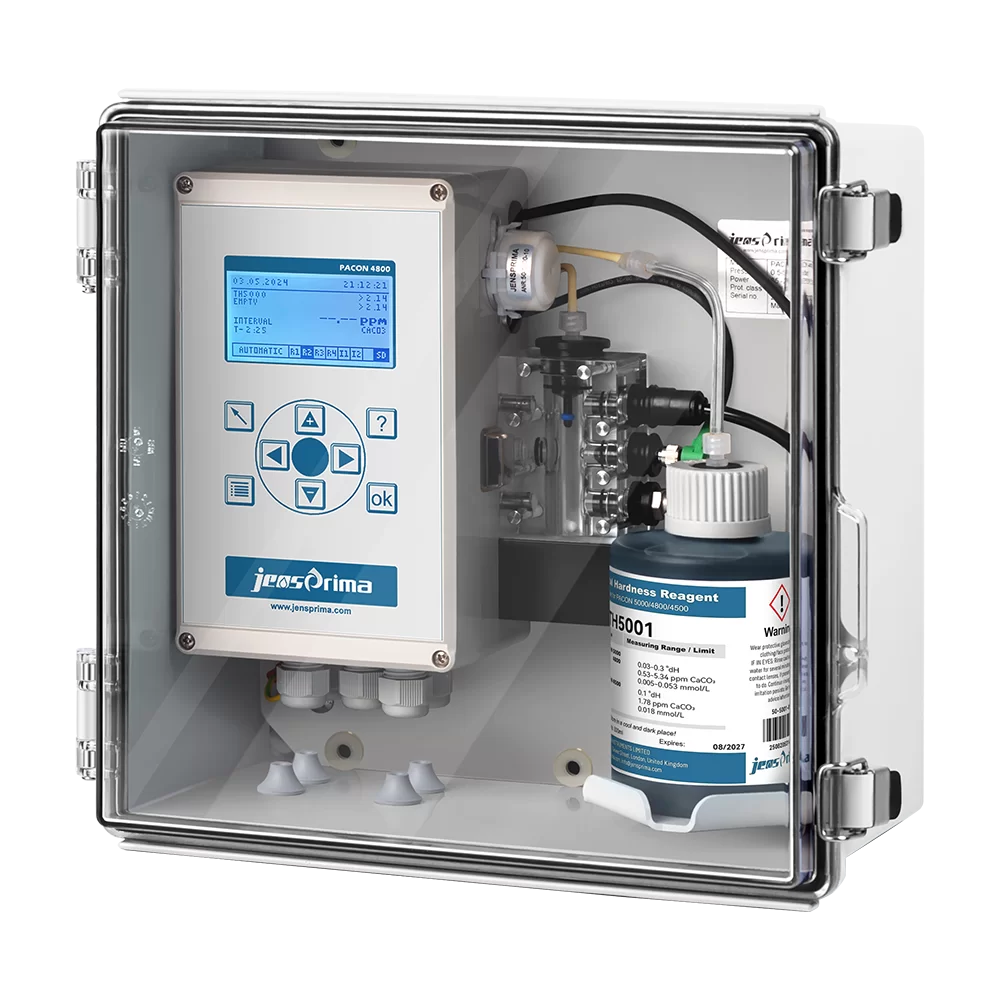
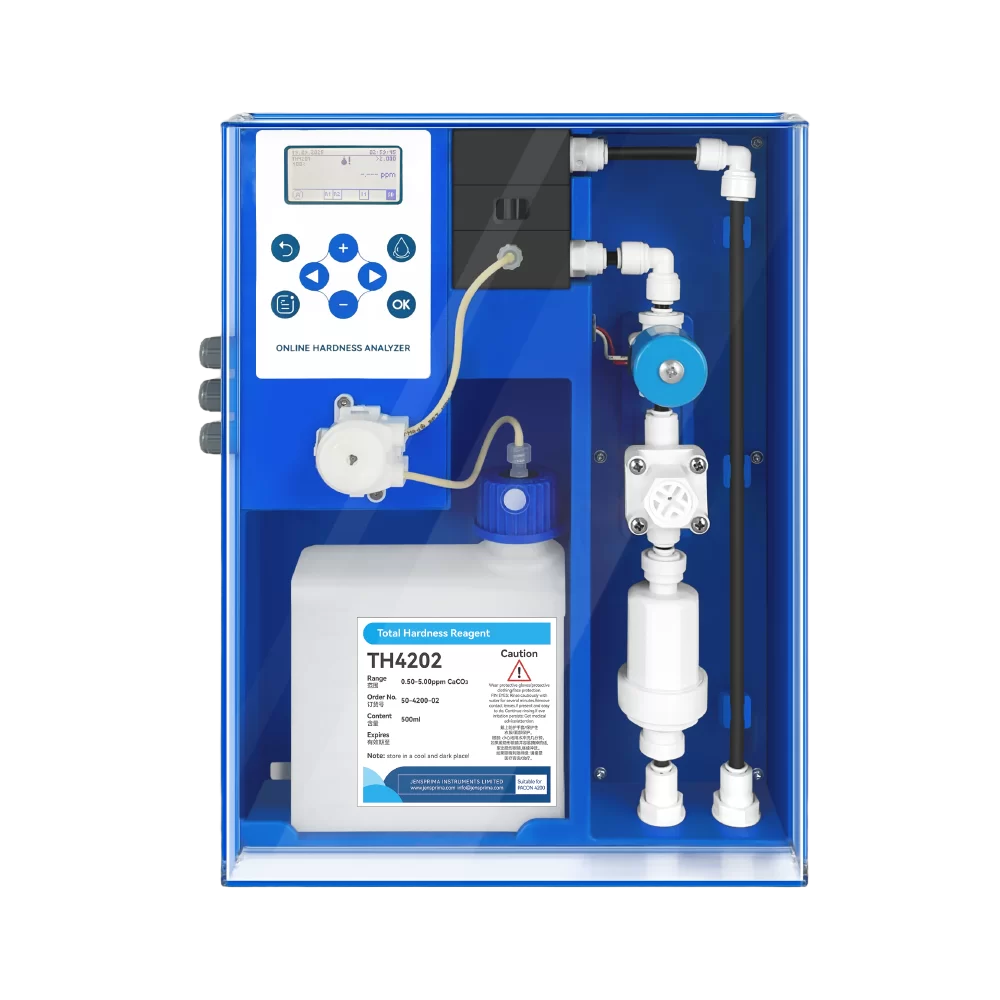
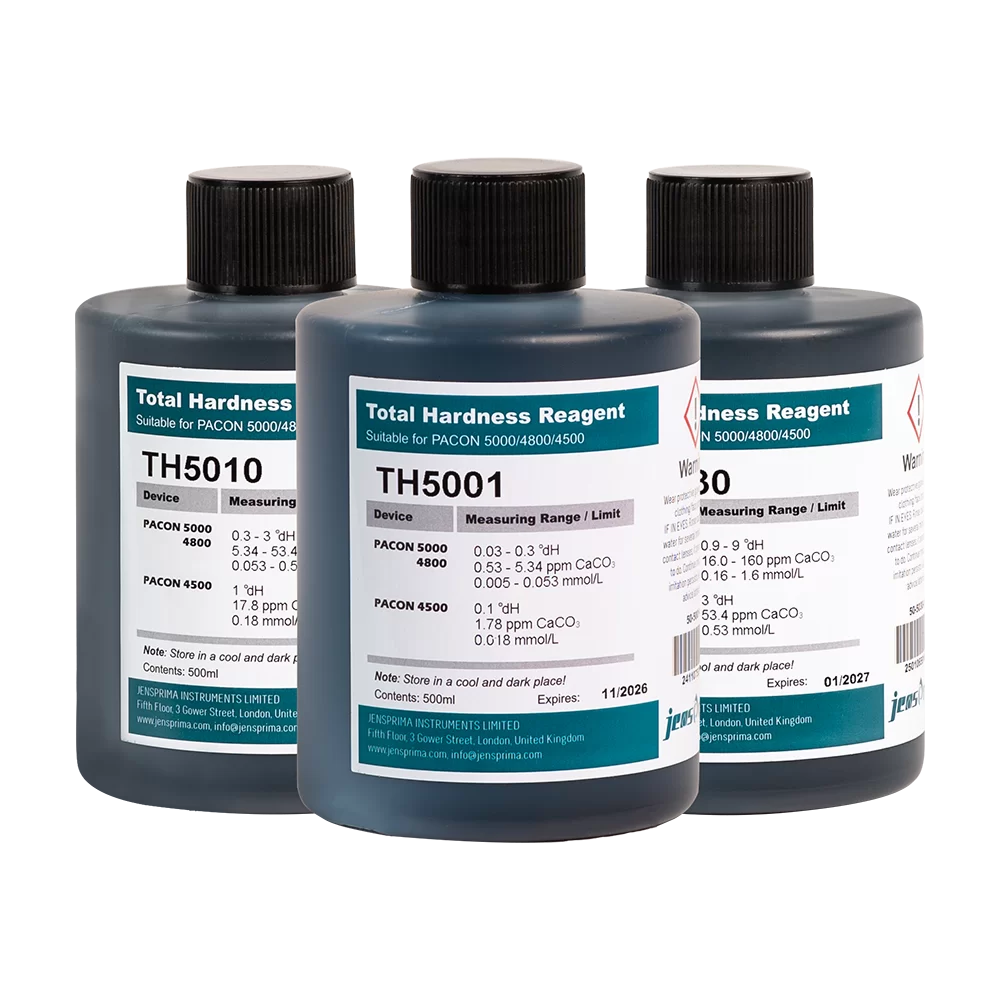
Water hardness is a critical parameter in many industrial processes, laboratory analyses, and environmental monitoring applications. Accurate determination of total hardness is essential for ensuring optimal performance and preventing scaling or corrosion. Jensprima's Total Hardness Reagent provides a reliable and convenient method for measuring calcium and magnesium concentrations in water samples. This article will delve into the science behind total hardness, the importance of accurate measurement, the components and usage of our reagent, and its applications across various industries. Understanding these aspects is crucial for maintaining water quality and process efficiency.
What is Total Hardness and Why Measure It?
Total hardness refers to the concentration of calcium (Ca2+) and magnesium (Mg2+) ions in water. These ions are typically introduced into water as it flows over limestone or chalk deposits. While not a health hazard, high hardness can cause several problems. In industrial settings, hard water leads to scale buildup in pipes and equipment, reducing efficiency and increasing energy costs. In laboratory analyses, accurate hardness measurements are essential for controlling reaction conditions and ensuring reliable results. For environmental monitoring, hardness plays a role in aquatic ecosystem health. The total hardness reagent from Jensprima simplifies this crucial analysis.
Key Benefits of Measuring Total Hardness: Prevents scaling in industrial systems, Ensures consistent water quality, Aids in optimizing chemical processes, Provides data for environmental monitoring.
Understanding the Jensprima Total Hardness Reagent
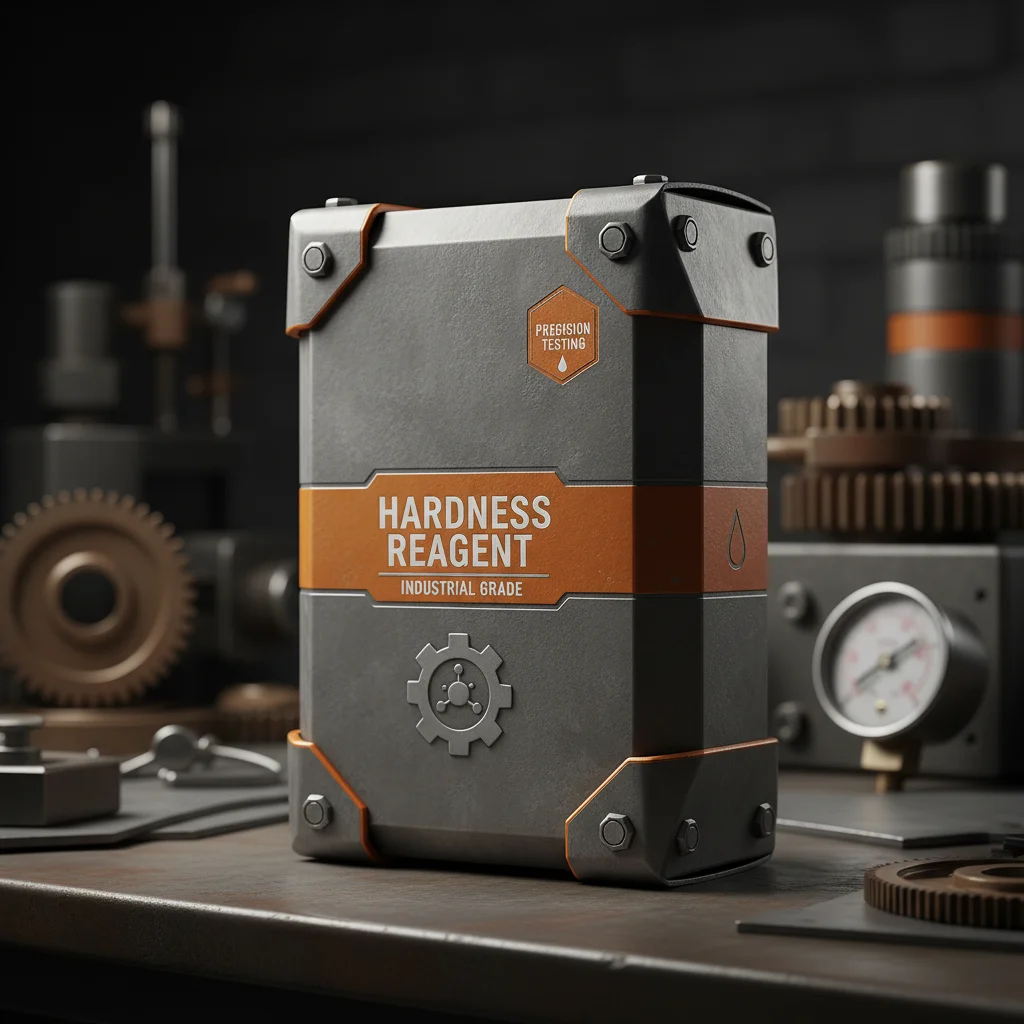
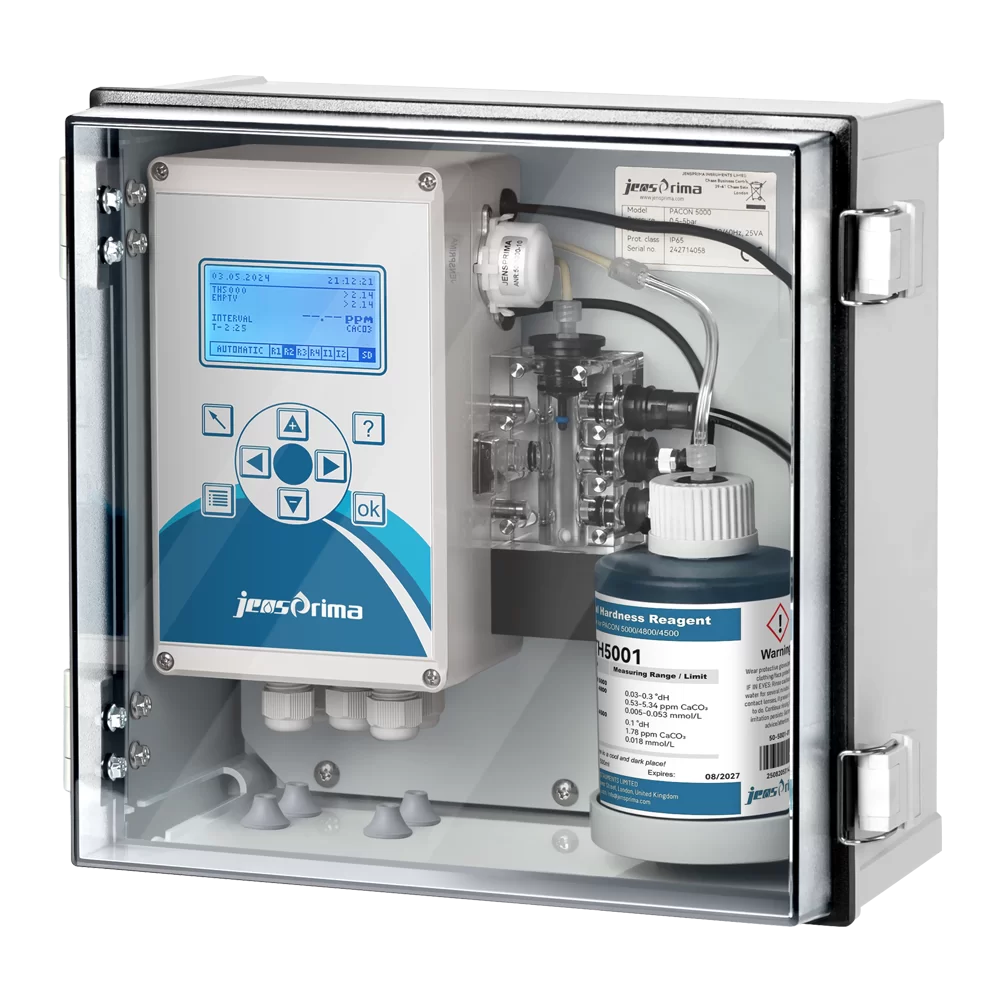
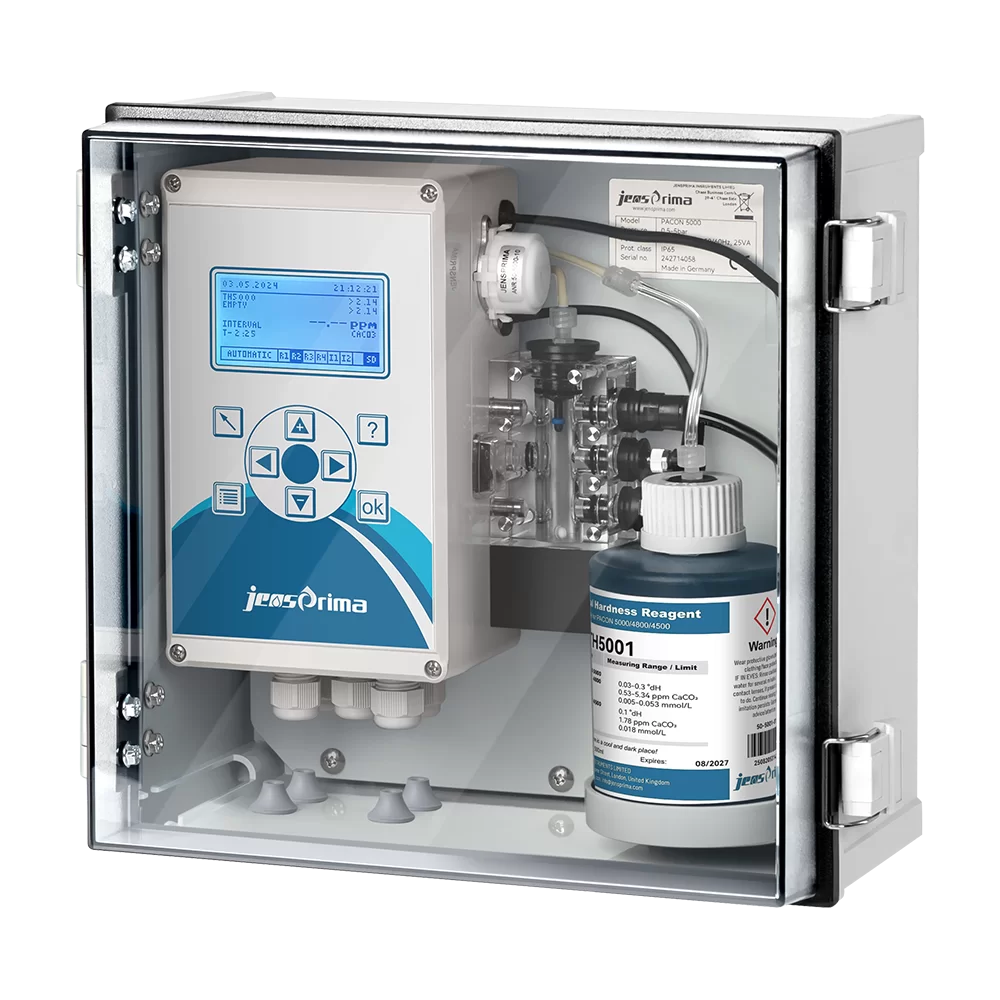
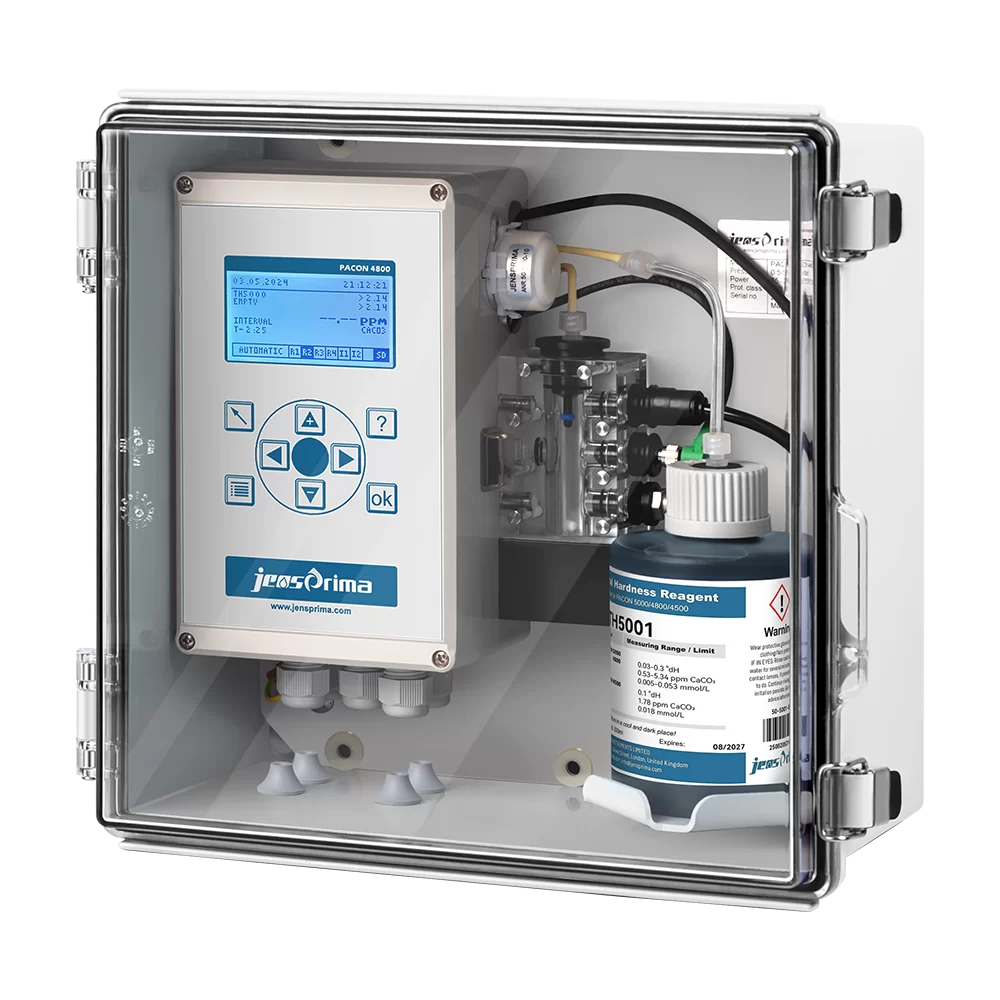
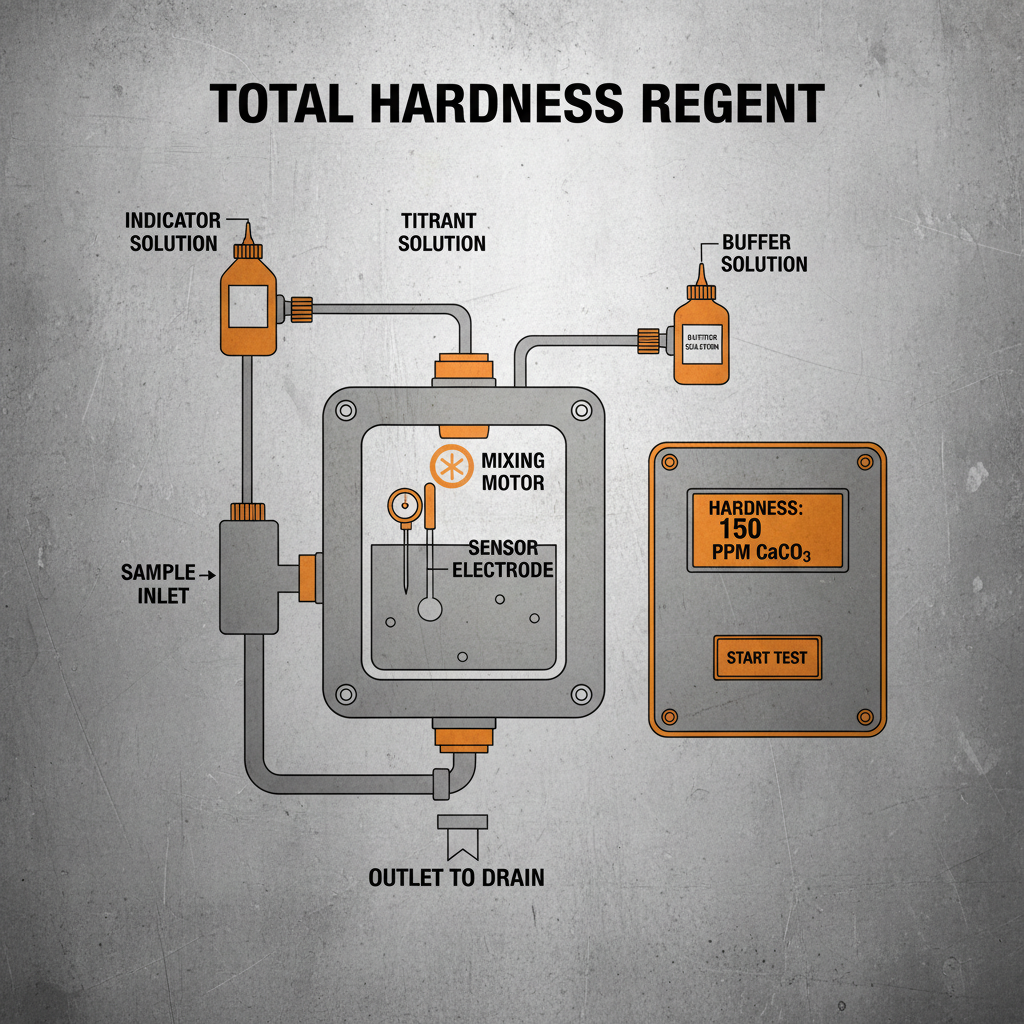
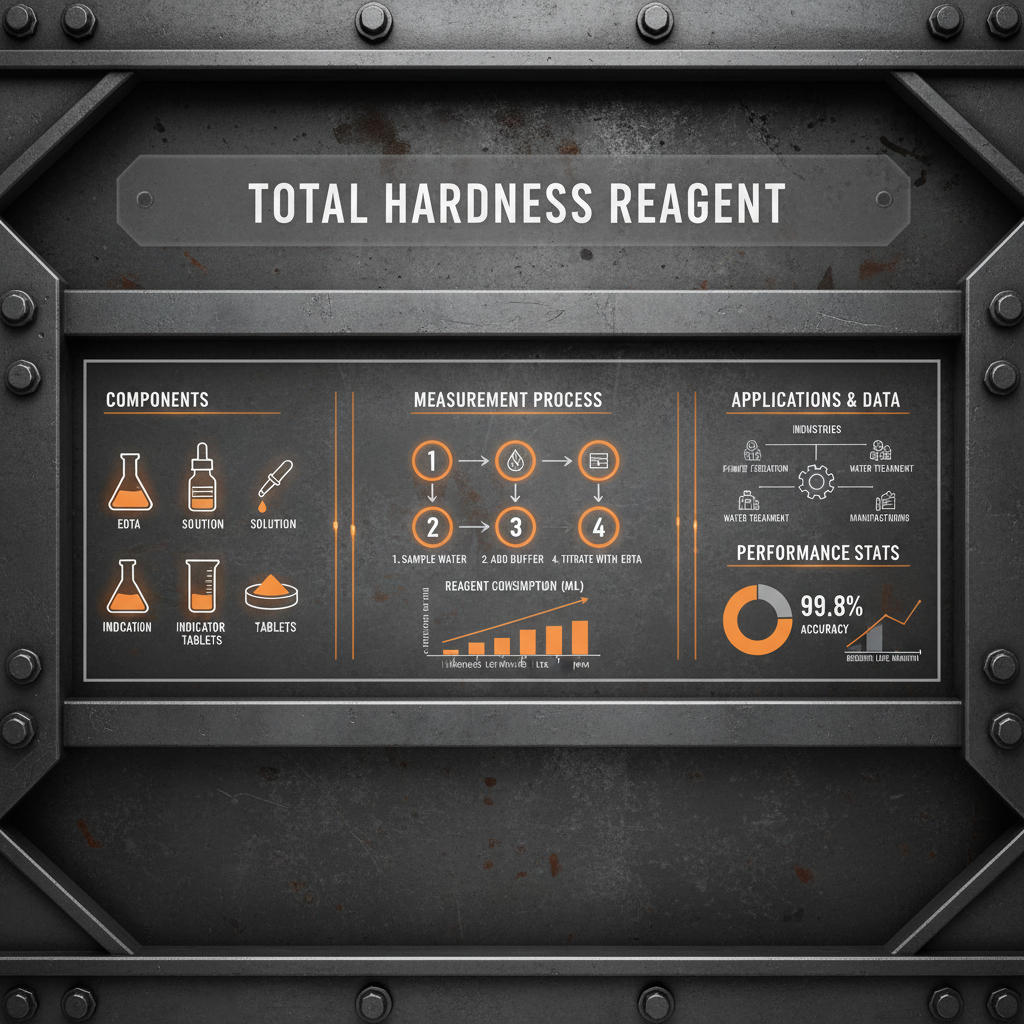
Jensprima’s Total Hardness Reagent is based on a well-established EDTA titrimetric method. EDTA (ethylenediaminetetraacetic acid) forms a stable complex with calcium and magnesium ions, allowing for precise quantification. The reagent typically includes EDTA solution, a buffer to maintain the optimal pH for complex formation, and an indicator that changes color at the titration endpoint. This reagent provides a convenient, accurate, and cost-effective alternative to more complex analytical techniques.
Key Components:
• EDTA Solution: The titrant that reacts with calcium and magnesium.
• Buffer Solution: Maintains pH for optimal complex formation.
• Indicator: Signals the endpoint of the titration.
Total Hardness Reagent: Comparing Methods & Accuracy
Several methods exist for measuring total hardness, each with its advantages and disadvantages. Direct titration with EDTA, using our reagent, is a common and reliable method. Alternative approaches include using ion-selective electrodes (ISEs) or atomic absorption spectroscopy (AAS). However, ISEs can be susceptible to interference, and AAS requires specialized equipment and trained personnel. Jensprima's reagent offers a balance of accuracy, simplicity, and cost-effectiveness.
| Method |
Accuracy |
Cost |
Ease of Use |
| EDTA Titration (Jensprima) |
± 1-2 mg/L as CaCO3 |
Low |
High |
| Ion-Selective Electrode (ISE) |
± 5-10 mg/L as CaCO3 |
Medium |
Medium |
| Atomic Absorption Spectroscopy (AAS) |
± 0.5-1 mg/L as CaCO3 |
High |
Low |
Applications Across Industries
The applications of accurate total hardness measurement are diverse. In the water treatment industry, it's used to optimize softening and filtration processes. In the food and beverage sector, hardness affects taste and can influence the efficiency of cleaning procedures. The pharmaceutical industry requires precise hardness control in water used for manufacturing processes. Furthermore, environmental scientists rely on hardness measurements to assess the health of aquatic ecosystems and monitor water quality.
Product Specifications and Ordering Information
Our Total Hardness Reagent is available in various kit sizes to suit your laboratory or field testing needs. Each kit includes sufficient reagent for a specified number of tests, along with clear instructions. We offer both standard and custom formulations to meet specific application requirements.
| Product Code |
Kit Size |
Tests per Kit |
Price (USD) |
| THR-100 |
Small |
100 |
$45 |
| THR-500 |
Medium |
500 |
$180 |
| THR-1000 |
Large |
1000 |
$320 |
Conclusion
Accurate total hardness measurement is crucial for a wide range of applications. Jensprima’s Total Hardness Reagent offers a reliable, cost-effective, and user-friendly solution for determining calcium and magnesium concentrations. By choosing Jensprima, you are investing in quality and precision for your analytical needs.
Frequently Asked Questions (FAQs)
What units are used to express total hardness?
Total hardness is most commonly expressed in milligrams per liter (mg/L) or parts per million (ppm) as calcium carbonate (CaCO3). This standardization allows for easy comparison of results across different laboratories and applications. Jensprima's reagent and instructions are designed to provide results directly in mg/L as CaCO3. Understanding the units is vital for accurate interpretation of your data.
How should I store the total hardness reagent?
To maintain the accuracy and shelf life of the reagent, it should be stored in a cool, dry place, away from direct sunlight and extreme temperatures. Keep the containers tightly closed when not in use. Refrigeration is recommended for long-term storage. Avoid contamination by using clean glassware and pipettes during analysis. Refer to the product's safety data sheet (SDS) for detailed storage guidelines.
What type of water samples can be tested with this reagent?
Jensprima’s Total Hardness Reagent can be used to test a wide range of water samples, including tap water, well water, surface water, industrial wastewater, and process water. However, highly colored or turbid samples may require pre-treatment, such as filtration or decolorization, to ensure accurate results. Always follow the recommended procedure and consider potential interferences when analyzing complex water matrices.
Is the reagent affected by other ions in the water?
While the reagent is specifically designed to react with calcium and magnesium, other ions in high concentrations can potentially interfere with the titration. For example, high levels of iron or aluminum can form complexes with EDTA, leading to inaccurate results. If you suspect interference, you may need to pretreat the sample to remove these interfering ions or use a different analytical method.


 Download
 Video Center
 Technical Services
 FAQS
FAQS Service Network
 Privacy Policy
 Contact Us




 LEARN MORE